
The Lok Sabha is set to take up the government’s proposed anti-paper leak legislation on Monday as Parliament resumes after a week of disruptions triggered by the Neet controversy. The Public Examinations (Prevention of Unfair Means) Amendment Bill, 2026, proposes tougher penalties for paper leaks and organised examination fraud, along with time-bound investigations and fast-track trials.
The Public Examinations (Prevention of Unfair Means) Amendment Bill, 2026 has been listed for both introduction and passage in the Lok Sabha on Monday, subject to its introduction.
According to the proposed legislation circulated among Members of Parliament, individuals found guilty of paper leaks or other unfair means in public examinations could face imprisonment ranging from five to 10 years, along with a fine of up to Rs 50 lakh.
For organised examination fraud, the Bill proposes stricter punishment, including a minimum prison term of seven years and fines that may extend to Rs 10 crore.
Time-bound investigations and fast-track trials proposed
To expedite legal proceedings, the proposed law requires investigations to be completed within two months.
It also directs states and Union Territories to establish fast-track courts, which must conclude trials within three months of the filing of a chargesheet.
The proposed legislation follows Prime Minister Narendra Modi’s recent announcement that the Centre would introduce a stringent legal framework to curb paper leaks and ensure speedy trials for those responsible for compromising public examinations.
Monsoon Session resumes after week of disruptions
The first week of the Monsoon Session saw repeated adjournments in both Houses as the opposition demanded the resignation of then Education Minister Dharmendra Pradhan over the Neet paper leak row before agreeing to any discussion.
Following Pradhan’s resignation, Union Minister Prahlad Joshi was initially given additional charge of the Education Ministry before subsequent administrative changes.
Throughout the week, the government accused the opposition of imposing “pre-conditions” for discussions, while the opposition maintained that accountability over the paper leak controversy had to come before any debate.
Quick Reads
No need to revisit budget estimates yet: Sitharaman says India has buffers to tackle oil, monsoon risks
India's brain power will make it an AI powerhouse, says Singapore's ex-FM; warns Europe on energy
As a result of the disruptions, both the Lok Sabha and Rajya Sabha were largely unable to conduct legislative business. In the Lok Sabha, Question Hour did not function for even 15 minutes across five sittings, while several listed items remained pending.
Other legislation on Monday’s agenda
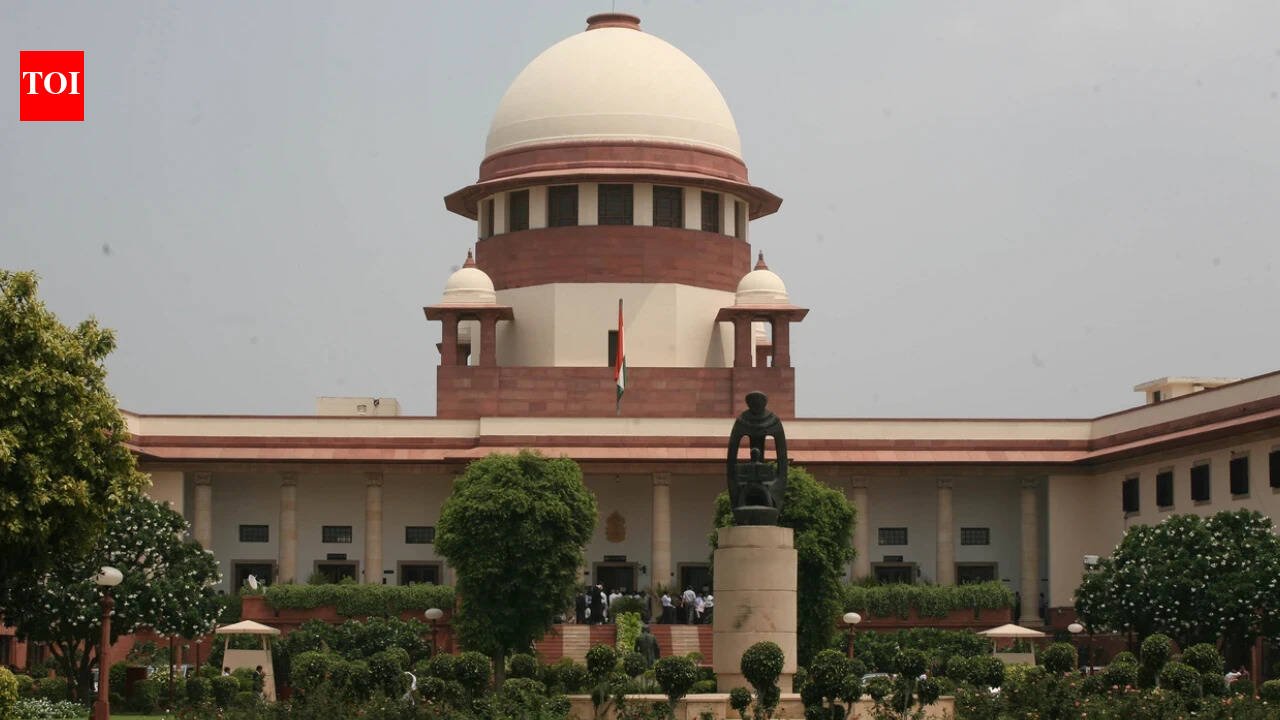
Apart from the anti-paper leak Bill, the Lok Sabha is also scheduled to consider the Supreme Court (Number of Judges) Amendment Bill, 2026, which seeks to replace the ordinance increasing the sanctioned strength of Supreme Court judges from 34 to 38. The ordinance must be replaced by an Act before the Monsoon Session concludes on August 13 to remain in force.
The House will also take up committee reports, ministerial statements and matters under Rule 377 as part of Monday’s business.