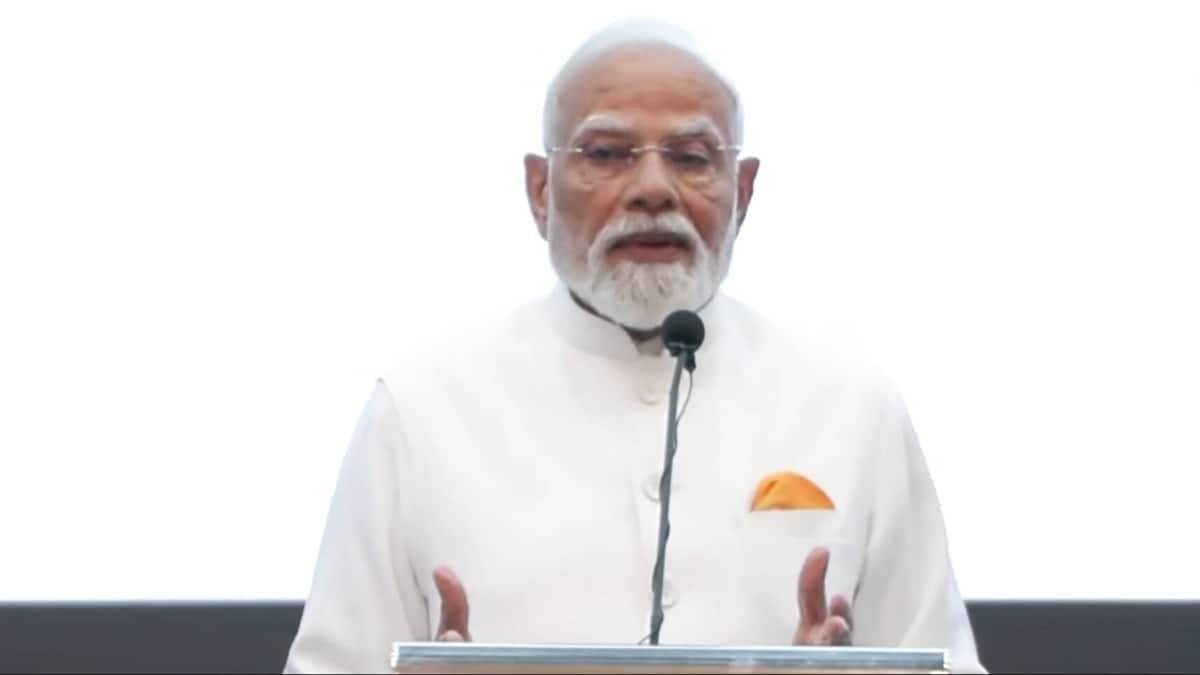
Prime Minister Narendra Modi on Tuesday addressed the Indonesian Parliament and called for a stronger India-Indonesia partnership rooted in shared maritime interests, democratic values and regional cooperation.
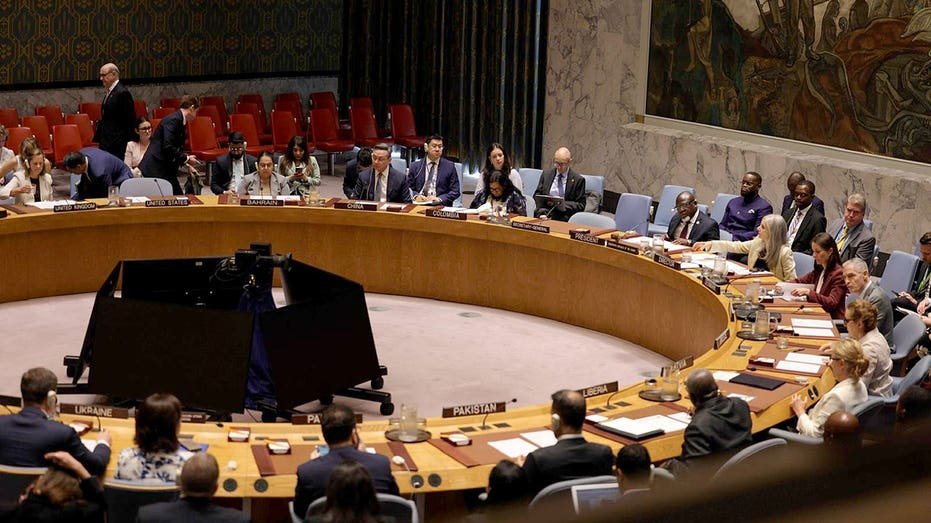
PM Modi reiterated India’s support for a free and open Indo-Pacific and pressing for long-pending reforms of the United Nations Security Council (UNSC).
Addressing lawmakers in Jakarta during his official visit to Indonesia, PM Modi described the two countries as natural maritime partners with centuries-old civilisational ties.
Merupakan suatu kehormatan dapat berpidato di hadapan Parlemen Indonesia. India dan Indonesia terhubung oleh sejarah, budaya, dan hubungan antar-masyarakat yang telah terjalin selama berabad-abad. Bersama-sama, kita akan terus bekerja sama demi mewujudkan masa depan yang… pic.twitter.com/TVNWUIm1Ng— Narendra Modi (@narendramodi) July 7, 2026
Merupakan suatu kehormatan dapat berpidato di hadapan Parlemen Indonesia. India dan Indonesia terhubung oleh sejarah, budaya, dan hubungan antar-masyarakat yang telah terjalin selama berabad-abad. Bersama-sama, kita akan terus bekerja sama demi mewujudkan masa depan yang… pic.twitter.com/TVNWUIm1Ng
He said India and Indonesia stand at a crucial moment in history and must work together to contribute to global peace, stability and development.
“Today India and Indonesia stand together at a pivotal moment in history. The first quarter of this century has passed, and the coming twenty-five years are crucial for both our nations,” PM Modi said. “I come with the resolve that India and Indonesia, together, will serve all of humanity.”
Quick Reads
India, Indonesia expand space partnership with focus on research and capacity building
Ram Temple donation theft: CCTV shows staff hiding cash in pockets, shoes as probe deepens
Maritime ties at the heart of partnership
Highlighting the strategic importance of the relationship, PM Modi said India and Indonesia have always been connected through the sea, which has acted as a bridge rather than a barrier between the two countries.
“India, Indonesia, and the Indian Ocean—these names themselves bear witness to our deep-rooted connection,” he said. “For India and Indonesia, the sea has never symbolised separation; instead, it acts as a bridge between us and lies at the heart of our shared future.”
The Prime Minister said both countries are major maritime powers and strong voices of the Global South. He urged Indonesia to work with India to take bilateral ties to greater heights by building on their shared maritime heritage and expanding cooperation in the Indo-Pacific.
Reiterating India’s regional vision, PM Modi said New Delhi remains committed to a free, open, inclusive and rules-based Indo-Pacific and strongly supports freedom of navigation across the region.
PM Modi described India as the “Mother of Democracy” and said both countries demonstrate how democratic values create opportunities, strengthen trust and shape the future.
“When India and Indonesia stand together, they strengthen the world’s faith that democracy creates opportunities, democracy builds trust and democracy shapes the future,” he said.
The Prime Minister also highlighted the deep cultural and historical links between the two nations, saying the Ramayana, Mahabharata and the ancient Nalanda University connect their civilisations. He also referred to Indonesia’s iconic Borobudur and Prambanan temple complexes as symbols of the enduring relationship between the two countries.
Speaking on security cooperation, Modi thanked Indonesia for supporting India following the Pahalgam terror attack and said both countries share a common approach towards combating terrorism.
“Indonesia stood with India after the Pahalgam attack, and I would like to thank you for that,” he said.
Call for UNSC reforms and stronger space cooperation
On global governance, PM Modi reiterated India’s longstanding demand for reforming the United Nations Security Council, saying changes could no longer be delayed.
“India firmly believes that reform of the UN Security Council can no longer be delayed,” he said, arguing that global institutions must better reflect present-day realities.