Meta, the US social media giant, has once again found itself in the eye of the storm in India.
On Tuesday (July 28), the tech giant issued an apology after a selfie video posted by Prime Minister Narendra Modi addressing student protesters was briefly removed from Facebook before being restored. “The content was removed in error and has since been restored,” a Meta spokesperson said in a statement.
The Centre has taken the incident very seriously, with the Ministry of Electronics and Information Technology issuing a summons to the global heads of Meta and Instagram.
This incident deepens Meta’s woes in the country; the tech giant has already found itself in trouble with the authorities over multiple issues, including advertisements promoting child sexual abuse imagery and other privacy concerns.
PM Modi’s speech temporarily removed by Meta
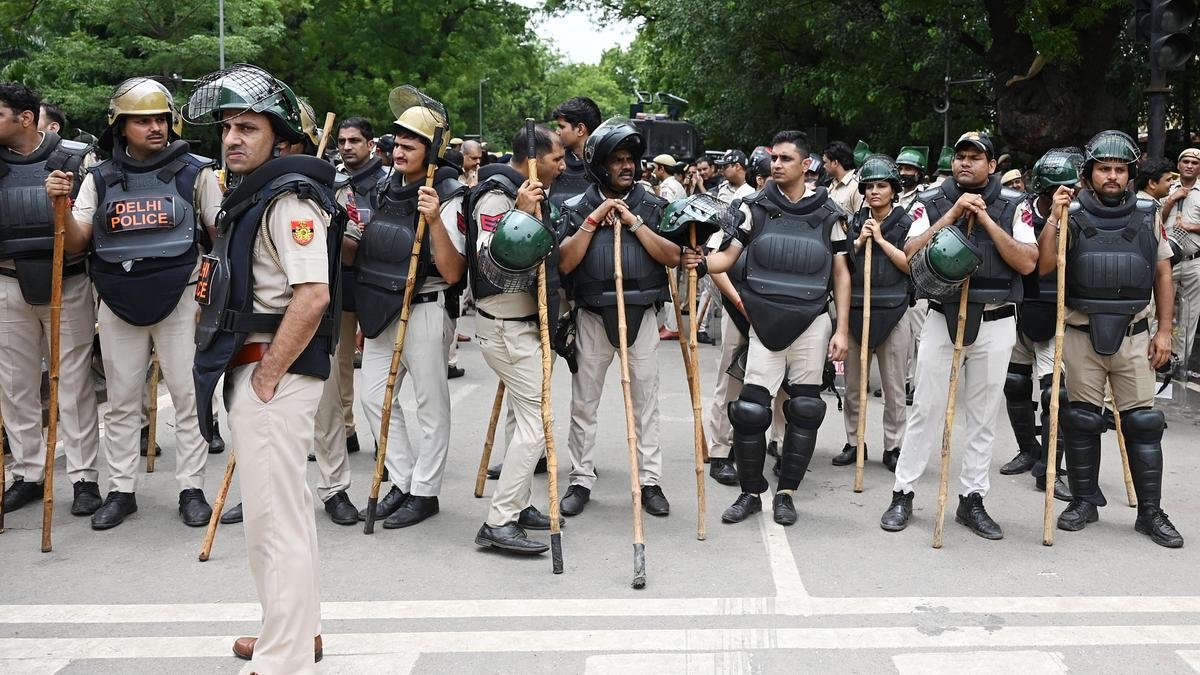
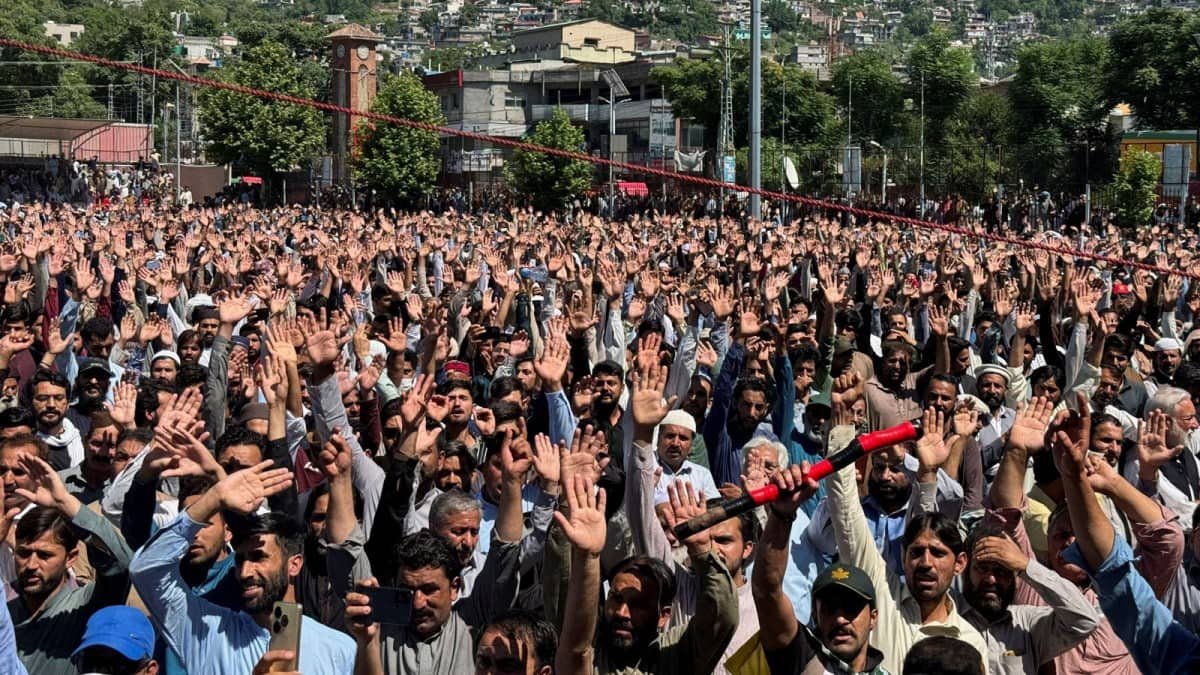
Early Tuesday (July 28), many users noted that PM Narendra Modi’s first address to Gen-Z amid the Cockroach Janta Party-led protests at Jantar Mantar was unavailable on Facebook.
Uploaded on July 23, PM Modi in the video had announced that the government would soon be announcing tougher measures to tackle paper leaks. PM Modi had assured students that the government would take stricter measures to curb examination paper leaks, including bringing tougher legal provisions before the Union Cabinet.
In the video, the Indian PM also stated that “nothing is more important than the welfare and future of our youth”.
However, on Tuesday morning, this video wasn’t available, claimed users. A notice stated that the video had been withheld in the region following a legal request.
Soon after, the video was restored on Meta’s platforms — Facebook and Instagram — with the company noting that a technical glitch was the reason behind it.
While Meta has termed the episode an inadvertent error, government sources told News18 that it intended to seek a detailed explanation from the company over how the prime minister’s official content was briefly restricted.
Meta faces India’s ire over child abuse ads
In early July, Meta also landed in the government’s crosshairs after a BBC investigation uncovered evidence that Instagram was showing advertisements and content promoting child sexual exploitation and abuse material to users.
According to the BBC’s Eye investigation, Instagram was carrying paid advertisements promoting child sexual abuse material in India. It said the advertisements redirected users to Telegram channels where such material could allegedly be bought.
Based on this BBC probe, IT Minister Ashwini Vaishnaw ordered officials to investigate further.
The government then issued a stern warning to Meta “over the presence of Child Sexual Exploitative & Abuse Material (CSEAM) in paid advertisements on Instagram.” It directed Instagram to “immediately disable all advertisements and content that promote” child abuse and even sought a detailed explanation from Meta within seven days.
Meta later responded to the matter, saying that it has a “zero tolerance policy” for soliciting or sharing child sexual abuse material (CSAM). The platform further added that it had deployed technology to detect such advertisements but was in a “constant battle” with criminals attempting to evade detection across its 3.5 billion users.
WhatsApp’s username paused in India
In July, India also ordered a pause on the rollout of WhatsApp’s new feature that would let users chat using unique usernames.
The reason for this: it could increase online fraud and phishing scams. That’s because WhatsApp’s username feature would allow people to chat without revealing their phone numbers.
In a notice, India’s Ministry of Electronics and Information Technology asked WhatsApp to explain why action shouldn’t be taken against it under Indian law “for launching a feature that may increase cybercrimes”.
It further stated that it believed that the feature “may materially increase the incidence of online fraud, phishing, digital arrest scams and impersonation attacks” by allowing criminals to contact potential victims without disclosing their phone numbers.
In response, WhatsApp said in a statement that the feature hadn’t gone live and that it has built in safeguards, including reserving high-profile usernames and ways to detect impersonation and scams.
Supreme Court’s ‘Exit India if…’ diktat to WhatsApp
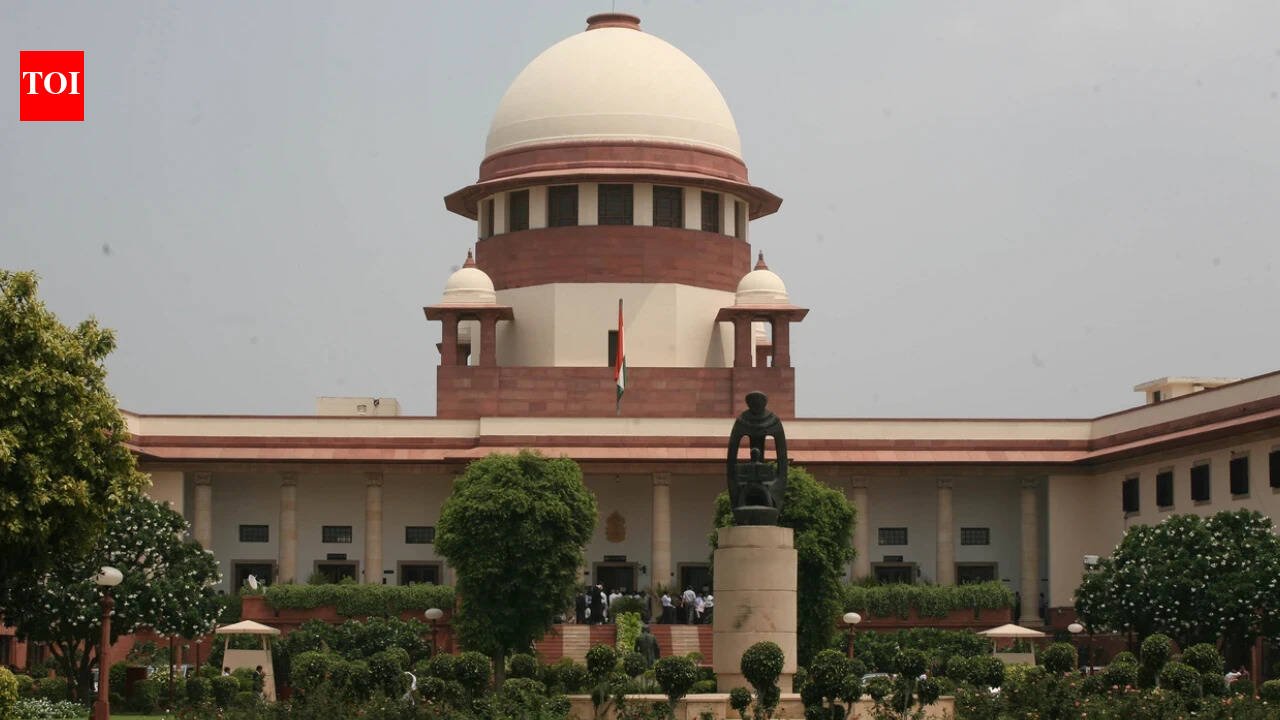
Meta has also found itself at the receiving end of the Supreme Court’s ire in India. In February, Chief Justice of India Surya Kant gave a dressing down to WhatsApp, stating, “If you can’t follow our Constitution, leave India. We won’t allow citizens’ privacy to be compromised.”
The remarks by the Chief Justice came as it was hearing a plea regarding WhatsApp’s 2021 privacy policy. The policy allows WhatsApp to share users’ data with Facebook and all its group companies for commercial advertising and marketing.
While hearing the matter, Chief Justice of India Surya Kant said WhatsApp’s monopoly leaves users with no real choice and likened its data practices to “theft of private information”.
“You are making a mockery of the constitutionalism of this country. We will dismiss it right away. How can you play with the right of privacy of people like this? Consumer has no choice; you have created a monopoly,” the CJI added.
Meta apologises over Zuckerberg’s election remarks
Last January, after CEO Mark Zuckerberg’s comments on Joe Rogan’s podcast sparked controversy regarding the outcome of the 2024 Indian elections.
Zuckerberg claimed that incumbent governments in many countries, including India, lost power in the post-Covid elections, a statement that was quickly refuted by Indian government officials.
Taking note of Zuckerberg’s comments, IT Minister Ashwini Vaishnaw said that India’s 2024 elections were a resounding success for the incumbent government, with Prime Minister Narendra Modi’s National Democratic Alliance (NDA) winning a decisive third term. Vaishnaw highlighted the significant voter turnout of over 640 million people and called Zuckerberg’s remarks “factually incorrect”.
Following this remark, Meta India’s Vice President Shivnath Thukral wrote on X, “Mark’s observation that many incumbent parties were not re-elected in 2024 elections holds true for several countries, But not India.”
Thukral further expressed regret, describing the comments as an “inadvertent error” and reiterated that India remains a crucial market for Meta. He added, “We would like to apologise for this inadvertent error. India remains an incredibly important country for Meta and we look forward to being at the heart of its innovative future.”
For Meta, these run-ins with the Indian government and judiciary don’t bode well. India has the largest audience base for Instagram, with more than 480 million users, more than double the US as of 2025, as per data from Statista. It also has more than 400 million Facebook users, the most globally. WhatsApp also has a strong presence in the country with about 853 million users.