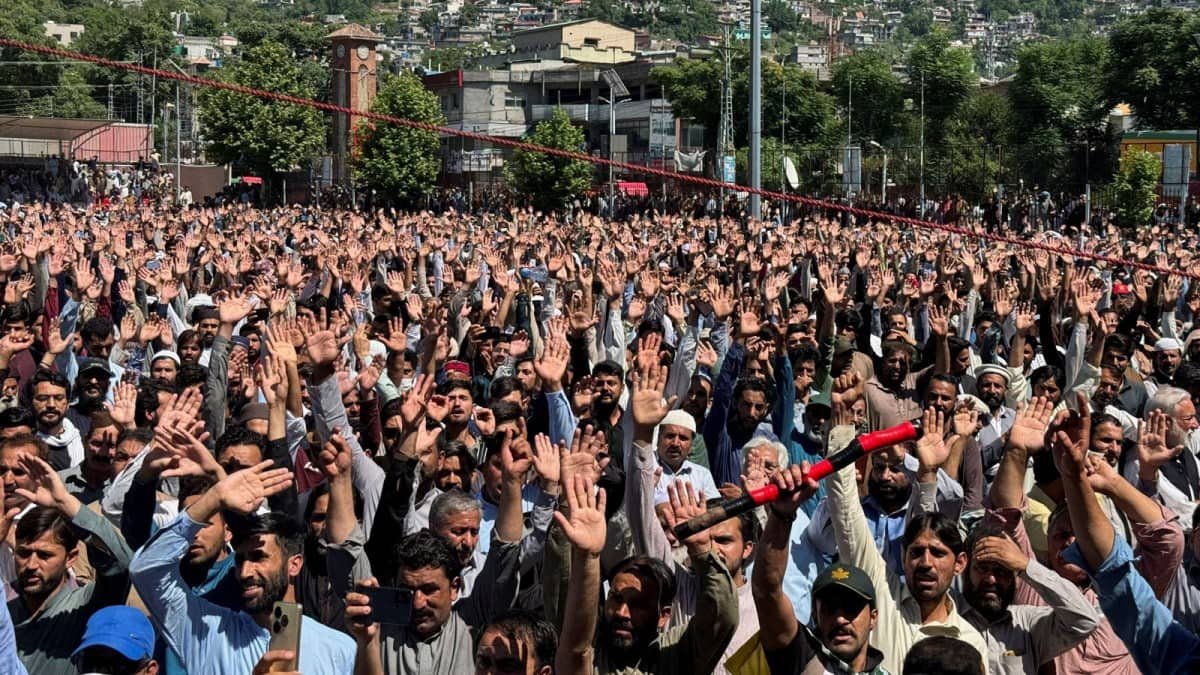
Pakistan Muslim League-Nawaz (PML-N) has emerged as the biggest winner in the first phase of the Pakistan-occupied Kashmir (PoK) Legislative Assembly elections, securing nine of the 13 constituencies in the Mirpur division, according to unofficial results released by the Election Commission on Tuesday.
According to Pakistan’s Dawn newspaper, the preliminary results based on Forms-26 and Forms-27 showed the PML-N comfortably ahead of its main rival, the Pakistan Peoples Party (PPP), which managed to win four seats.
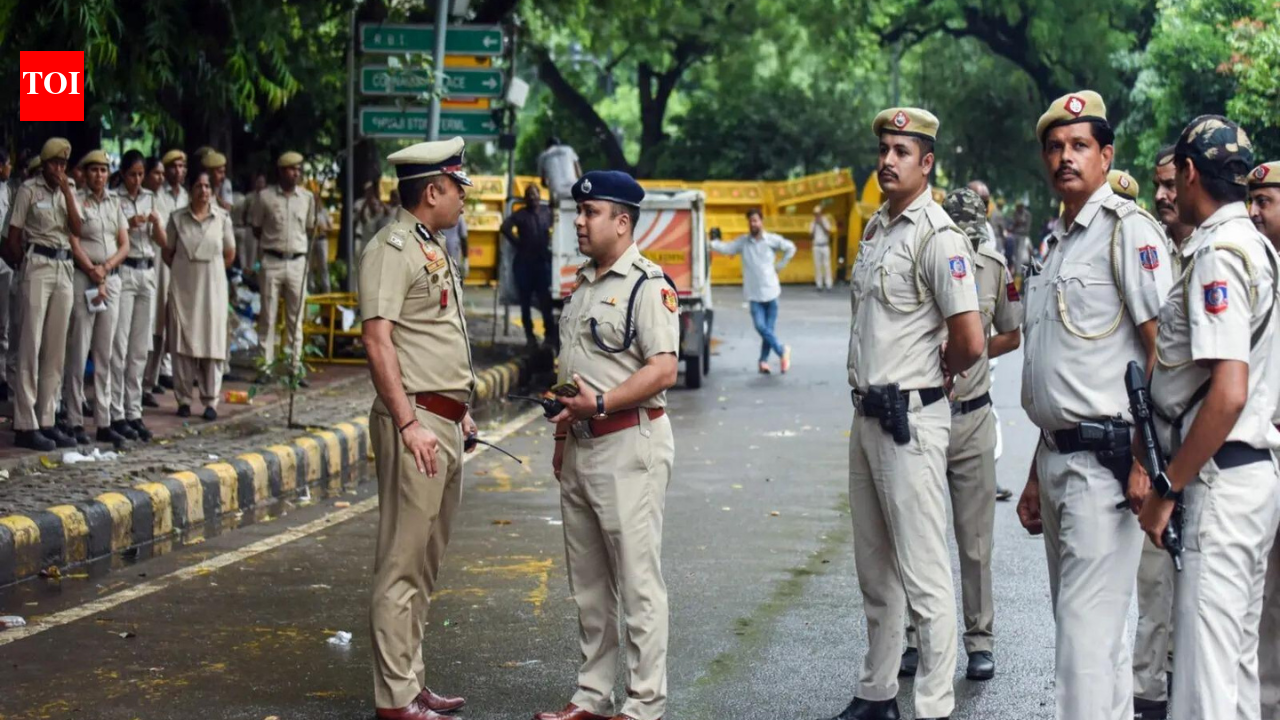
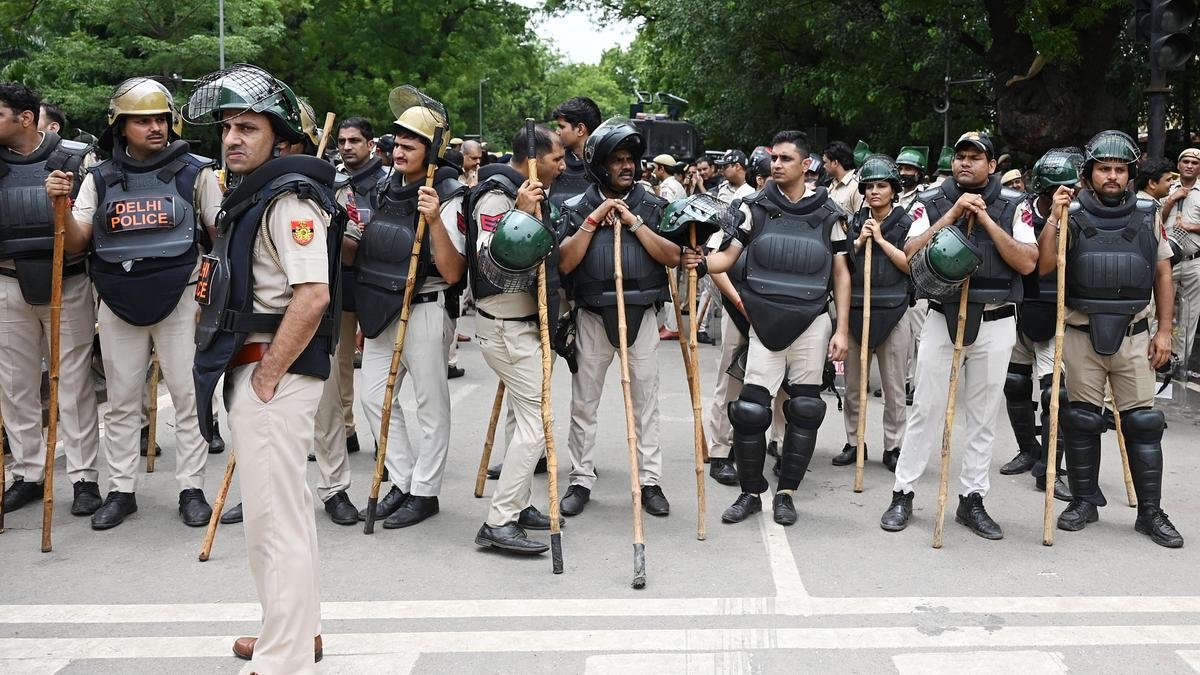
The polling was held on Monday as part of a three-phase election being conducted across PoK under heavy security.
The first phase of polling, however, was overshadowed by reports of scuffles, violence and allegations of electoral rigging. The PML-N and the PPP accused each other of electoral malpractice during voting, adding to concerns over the fairness of the process.
PML-N dominates Mirpur division
The unofficial results show that the PML-N won a majority of the seats across the three districts that make up the Mirpur division.
According to the report, in Mirpur district, the party won the Dadyal and Khari Sharif constituencies. It also registered victories in Barnala, Samahni and Bhimber constituencies in Bhimber district.
In Kotli district, the PML-N secured Nakyal, Sehnsa, Charhoi and Khuiratta, taking its tally to nine seats.
The PPP, meanwhile, retained the politically significant Mirpur city seat and Chakswari constituency in Mirpur district. It also won two constituencies in Kotli district, taking its total to four seats.
The Election Commission’s Form-27 includes votes cast on polling day as well as advance ballots cast by election staff, while Form-26 contains only the votes polled on the main election day.
Quick Reads
Seven years of sleepless nights: Japanese musician arrested for allegedly giving elderly neighbours insomnia
Japan issues tsunami alert after 7.1-magnitude earthquake
Polls held amid security concerns
The elections are being conducted in three phases due to security concerns. More than 1.4 million registered voters are expected to participate in the exercise, with the first phase covering all 13 constituencies in the Mirpur division across Mirpur, Bhimber and Kotli districts.
Election authorities had established over 2,500 polling stations and dispatched election materials to all districts before voting began.
Boycott calls and military scrutiny
The polls took place against the backdrop of political unrest and protests in Pakistan-occupied Kashmir over rising inflation, governance issues and demands for subsidised wheat flour and electricity. Protesters had also opposed a court decision that upheld 12 reserved assembly seats for migrants settled in Pakistan.
The election process has also come under fresh scrutiny over allegations of interference by Pakistan’s military establishment. Critics have repeatedly accused the military of influencing political outcomes in both Pakistan and PoK through its role in security and administrative institutions.
Although Pakistani authorities have maintained that the elections are being conducted in accordance with the law, opposition groups have questioned the independence of the electoral process.
The Awami Action Committee had called for a boycott of the polls, describing the election as a “fraud” and alleging that the outcome had already been predetermined. The group urged voters to stay away from polling stations in protest, further highlighting the political tensions surrounding the first phase of the elections.