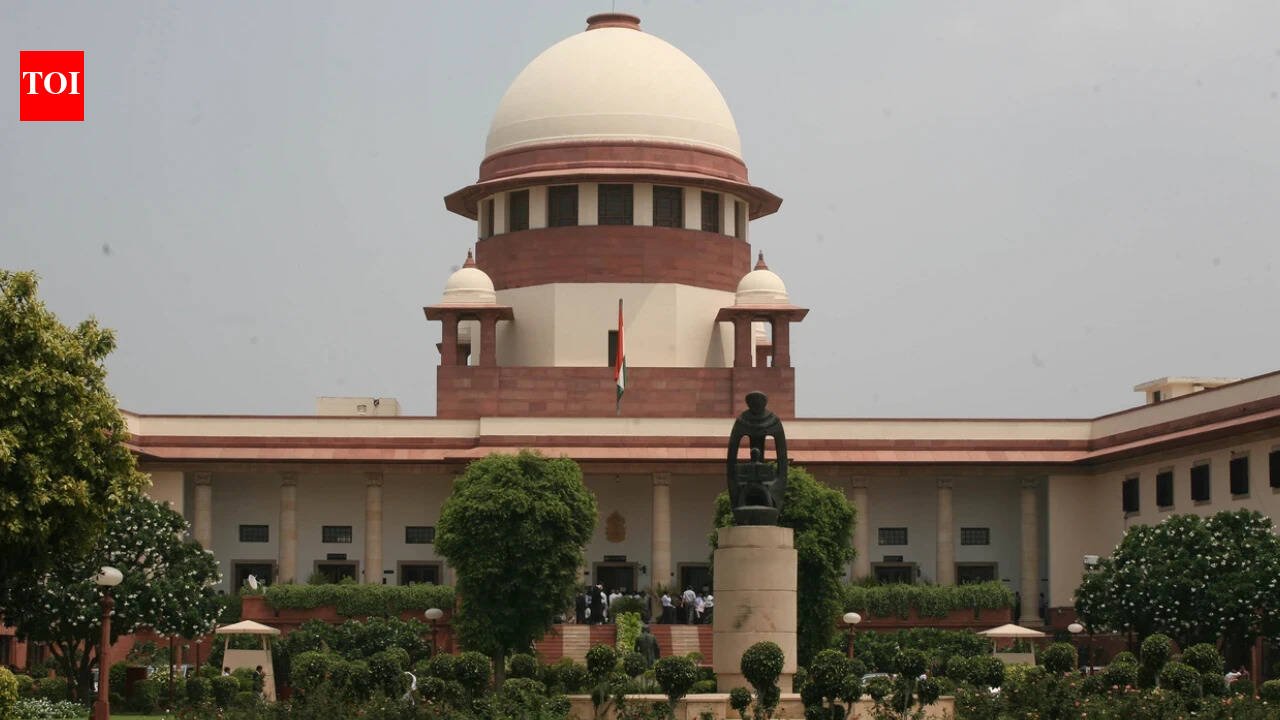
The Aircraft Accident Investigation Bureau (AAIB) has told the Supreme Court that cockpit voice recordings and airborne image data from the investigation into the Air India Flight AI171 crash are protected by law and cannot be disclosed to the public or shared with any external committee.
In a counter-affidavit filed on behalf of the Ministry of Civil Aviation, the AAIB said the investigation into the June 2025 crash is in its final stages, with a draft final report expected to be ready by October 2026.
The bureau was responding to petitions seeking an independent inquiry into the crash and access to key evidence collected during the investigation.
Cockpit recordings protected under law
The AAIB said the disclosure of cockpit voice recordings (CVR) and airborne image recordings is prohibited under the Aircraft (Investigation of Accidents and Incidents) Rules, 2025.
Referring to Rule 17 and Schedule C of the rules, the bureau told the court that cockpit audio and airborne recordings cannot be released to the public.
According to the affidavit, the confidentiality of such material is essential to preserving the integrity of accident investigations, which are conducted under a “no-blame” framework aimed at improving aviation safety rather than assigning liability.
The bureau argued that making witness statements and cockpit conversations public could discourage pilots, crew members and other aviation personnel from cooperating fully in future investigations.
Quick Reads
India to track every sailor in Strait of Hormuz after Indian crew member killed in missile strike
India-UK FTA cuts whisky duty, but Scotch may not get cheaper immediately: Experts explain why
Petition sought independent probe
The affidavit was filed in response to petitions, including one by Pushkar Raj Sabharwal, father of the late pilot Commander Sumeet Sabharwal, and another by the Safety Matters Foundation.
The petitioners have sought a court-monitored investigation and the disclosure of key flight data related to the crash.
The AAIB opposed the request, maintaining that releasing raw cockpit recordings would violate existing legal provisions governing accident investigations.
India crash, what still remains unanswered?
Final report expected by October
The bureau informed the Supreme Court that the investigation is nearing completion.
According to the AAIB, the remaining technical work is expected to be completed within the next few weeks, allowing investigators to prepare a draft final report by October 2026.
However, the report will not be released immediately after it is finalised.
Under the International Civil Aviation Organization’s (ICAO) Annex 13 procedures, draft reports must first be shared with countries participating in the investigation for their comments.
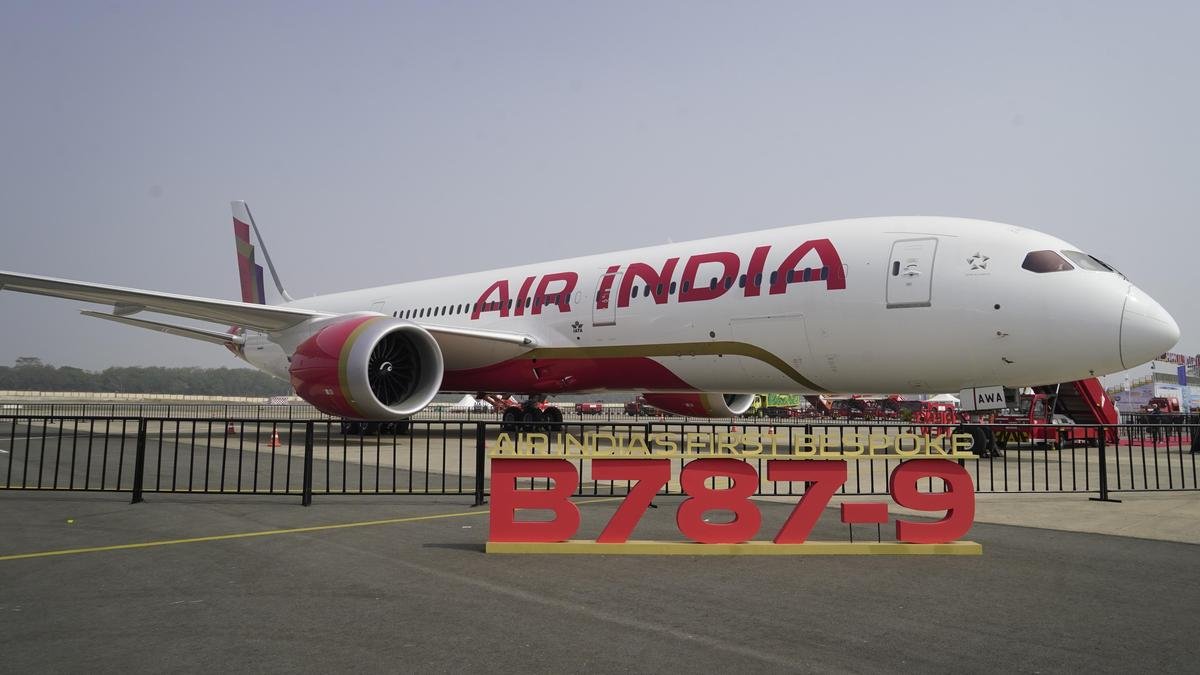
As the aircraft involved was a Boeing 787-8 Dreamliner, the United States—through the National Transportation Safety Board (NTSB)—is among the agencies that will review the draft before it is published. Other countries connected to the investigation may also provide comments.
Investigation follows one of India’s deadliest air disasters
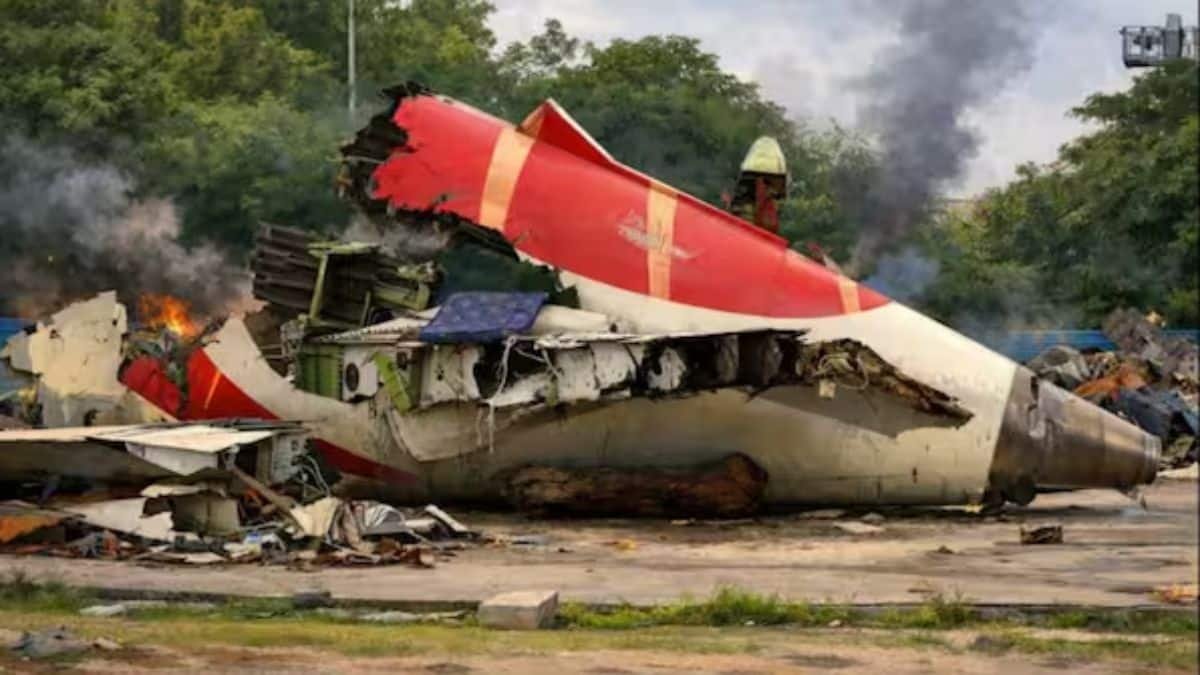
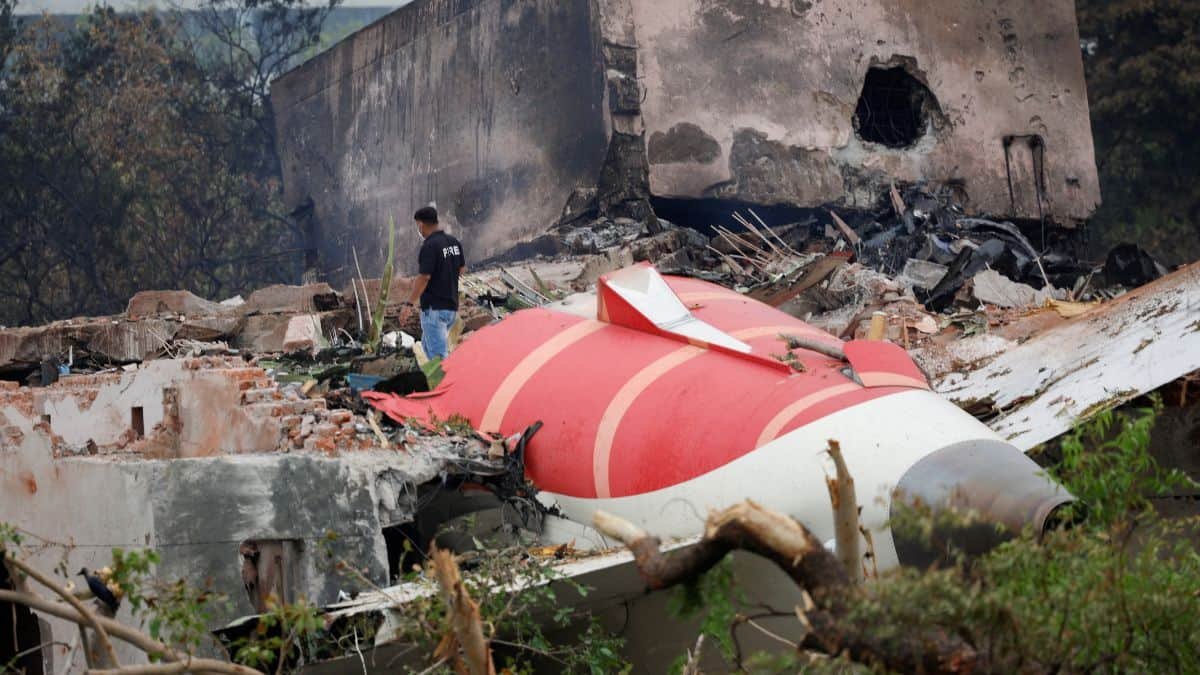
Air India Flight AI171, a Boeing 787-8 Dreamliner bound for London Gatwick, crashed shortly after taking off from Ahmedabad on June 12, 2025.
The aircraft crashed into a medical college hostel complex before bursting into flames.
A total of 241 of the 242 people onboard were killed, along with 19 people on the ground, making it one of the deadliest aviation disasters in India’s history.
AAIB responds to concerns over preliminary findings
The case has attracted significant attention since the AAIB’s preliminary report included a brief cockpit exchange between the pilots, prompting speculation in parts of the media over the possible cause of the crash.
The family of Commander Sumeet Sabharwal argued that the preliminary findings had led to premature conclusions about the role of the flight crew before the investigation was completed.
In its affidavit, the AAIB said investigators have carried out interviews with technical experts, air traffic controllers and Boeing 787 pilots as part of the probe. It also said a psychological assessment of the crew formed part of the investigation.
The bureau maintained that its interactions with the families of the crew members had not been adversarial and reiterated that the purpose of the investigation is to identify safety lessons and prevent future accidents rather than determine civil or criminal liability.
The Supreme Court is expected to hear the matter further as the investigation progresses.