On World IVF Day 2026, it is important to address one of the most persistent myths surrounding fertility treatment - the belief that in vitro fertilisation (IVF) allows couples to choose to have twins.
While this idea is widely circulated, especially on social media, medical experts stress that the reality is very different.
Understanding the common misconception
“As a fertility specialist, I often hear patients say they want twins through IVF,” says Dr Sakshi Chopra, Consultant IVF, Kailash Deepak Hospital. “But it is very important to understand that the purpose of IVF is not to get twins - it is to achieve a healthy pregnancy.”
Why twins were more common earlier
In the earlier years of IVF treatment, the chances of twin pregnancies were indeed higher. This was largely due to the practice of transferring multiple embryos into the uterus to improve success rates.
“Earlier, we used to transfer two or more embryos because implantation rates were lower,” explains Dr Chopra. “As a result, twin pregnancies became very common.”
Advances in IVF technology
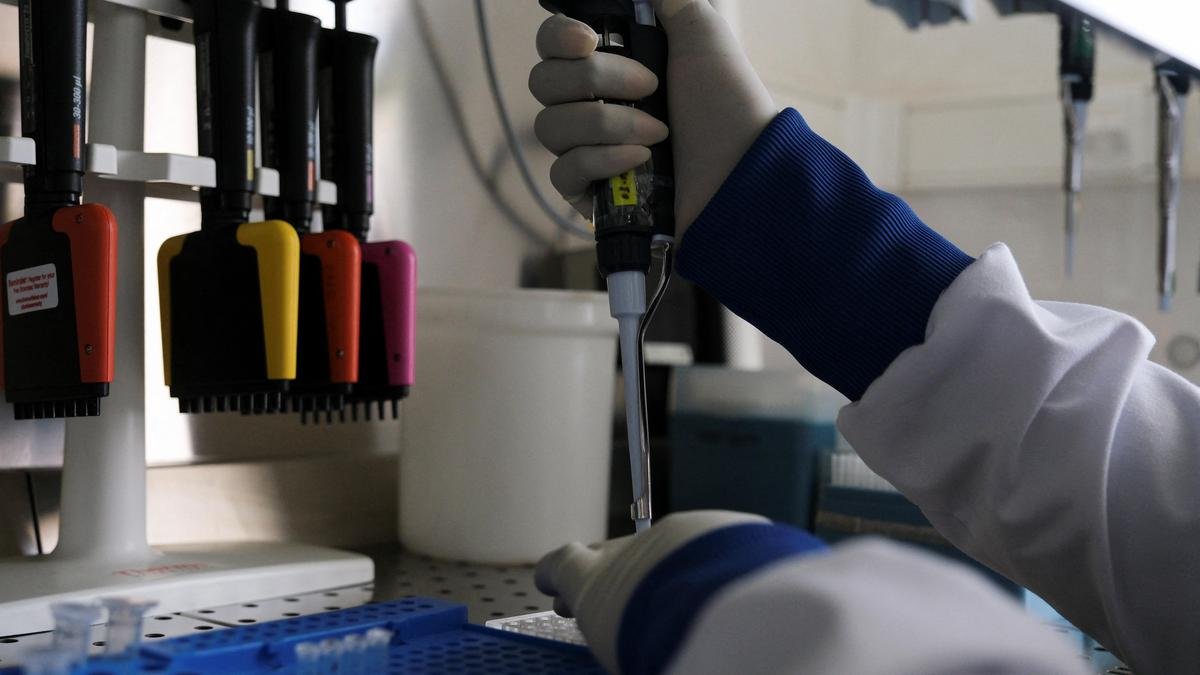
Modern IVF has evolved significantly, reducing the need for multiple embryo transfers. Advances in embryo selection and laboratory techniques now allow doctors to achieve high success rates with a single embryo.
“Today, IVF technology has become extremely advanced,” says Dr Chopra. “With better embryo formation techniques and blastocyst culture, we can identify the healthiest embryos more accurately.”
She further adds, “We now have access to genetic testing, blastocyst culture facilities, and laser-assisted hatching.
These advancements allow us to achieve excellent outcomes even with a single blastocyst transfer.”
Why single embryo transfer is preferred
Current medical guidelines favour transferring a single embryo to minimise risks associated with multiple pregnancies.
“The latest recommendation is to transfer a single embryo,” Dr Chopra explains. “A single pregnancy carries far fewer risks compared to a twin or multiple pregnancy.”
Health risks associated with twin pregnancies
While twins may seem appealing to some couples, they come with increased medical risks for both mother and babies.
“Twin pregnancies are considered high-risk,” says Dr Chopra. “For the mother, there is a higher chance of pregnancy-induced hypertension and gestational diabetes.”
She also highlights the risks for babies: “Babies born from twin pregnancies often have low birth weight, and there is a higher likelihood of premature delivery. This can lead to several complications related to prematurity.”
Quick Reads
US pub are adding 20% tips to their bills. The FIFA World Cup 2026 is why
Leopard, tiger and cheetah seen together in India’s Ranthambore. Why it isn’t as rare as believed
Personalised treatment matters
Every IVF journey is unique, and treatment decisions are tailored to each patient’s circumstances.
“No two patients are the same,” emphasises Dr Chopra. “We consider factors such as the patient’s age, fertility history, embryo quality, and overall health before deciding whether to transfer one or more embryos.”
The real goal of IVF
Ultimately, the focus of IVF is not on achieving twins but on ensuring the best possible outcome for both mother and child.
“In IVF, our goal is always a healthy mother and a healthy baby,” says Dr Chopra. “Twin pregnancy is not something we aim for intentionally.”
Seek expert guidance, not myths
With the abundance of information on social media, misinformation about IVF is common. Expert guidance is essential for making informed decisions.
“If any couple is considering IVF, they should not rely on myths or social media,” advises Dr Chopra. “Proper counselling from a qualified fertility specialist is crucial. The right information and personalised treatment plan make all the difference.”
Conclusion
On World IVF Day 2026, the message is clear: while IVF once had a higher association with twin pregnancies, modern advancements prioritise safer, single embryo transfers.
Couples should focus on health, not misconceptions, and seek expert advice to make informed decisions on their fertility journey.