
The liver is often described as the body’s silent workhorse, performing hundreds of vital functions every day while possessing a remarkable ability that few other organs can match: it can repair itself. But that resilience has its limits. For people who drink alcohol regularly, one question often lingers: can the liver truly heal once alcohol is removed from the equation?
Doctors say the answer depends less on how much damage has already been done and more on how early a person decides to stop drinking. According to the World Health Organization (WHO), alcohol consumption is responsible for around 2.6 million deaths worldwide every year, accounting for about 4.7 per cent of all global deaths. Experts warn that while the liver can recover from alcohol-related injury in its early stages, delaying action can allow irreversible scarring to take hold, closing the window for complete healing.
The liver starts repairing itself after alcohol is stopped
Dr Vineet K Gupta, Senior Director and Unit Head of Gastroenterology at ShardaCare Healthcity, said the liver has a remarkable capacity to regenerate.
“The liver is the only organ in the human body with a remarkable ability to regenerate. So yes, In many cases, the liver can heal after you stop drinking. But the extent of recovery depends on one critical factor: how early you stop.”
He said the healing process begins almost immediately after alcohol consumption stops.
What happens during each stage of recovery?
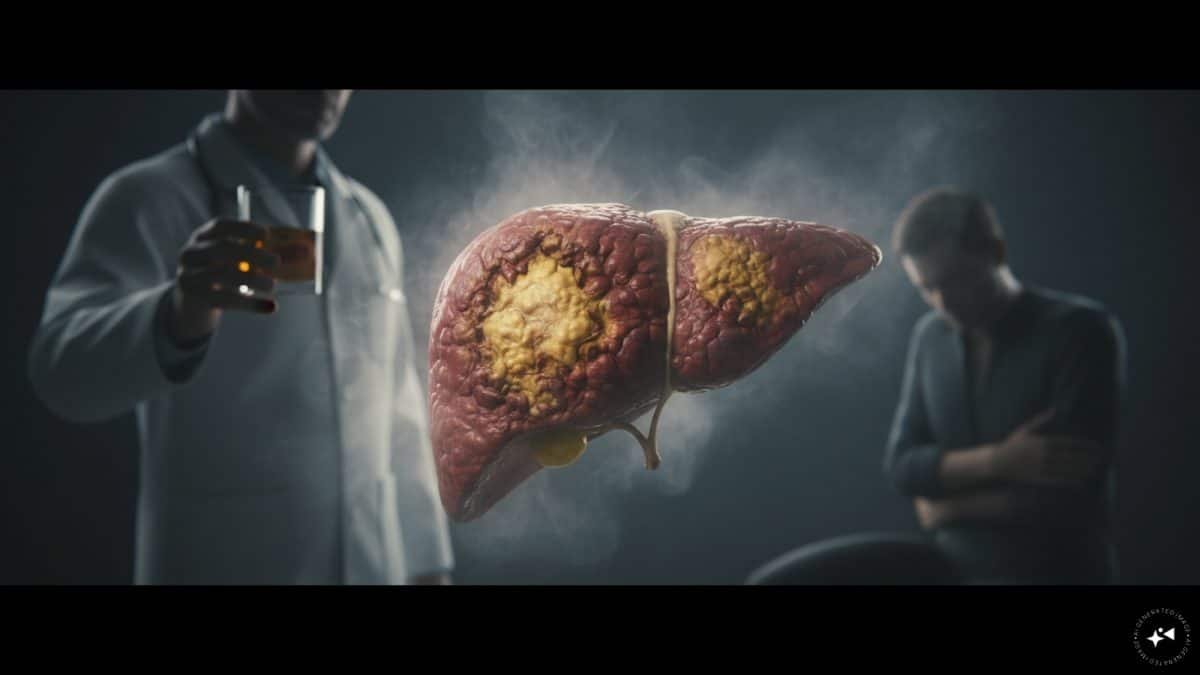
According to Dr Gupta, the first stage of alcohol-related liver disease is fatty liver, which is also the easiest to reverse. Once alcohol consumption stops, the liver begins clearing excess fat and restoring its normal function.
“Within 2-4 weeks of abstinence, fat deposits reduce and liver function tests normalise.”
If alcohol use has progressed to the second stage, alcoholic hepatitis, the liver develops inflammation. Dr Gupta said recovery is still possible, provided alcohol is completely avoided and appropriate medical care is received.
“With continued abstinence, inflammation decreases. With medical support, good nutrition and no alcohol, the liver can recover significantly in 3-6 months.”
At the fibrosis stage, scar tissue has already started forming in the liver. While some damage has occurred, Dr Gupta said the condition can still improve if drinking is stopped and treatment begins without delay.
Quick Reads
'I drink only on weekends': Doctor explains why binge drinking can still damage your liver
QDENGA approved as India’s first dengue vaccine: Two-dose shot cleared for ages 4-60
“Even some scarring can improve over 6-12 months if drinking stops and treatment is started early.”
When liver damage becomes irreversible
Dr Gupta said cirrhosis marks the point where the liver can no longer fully regenerate.
“The turning point is cirrhosis. Once extensive scarring develops, the liver’s architecture is permanently damaged. At this stage, the liver cannot fully regenerate. Patients may need lifelong management or even a transplant. Complications like jaundice, fluid in the abdomen, and liver cancer also become risks.”
Why early action matters
Dr Gupta stressed that identifying liver damage before it becomes permanent offers the best chance of recovery.
“The message is simple: stop early, save the liver. Regular liver function tests, ultrasound, and consultation can detect damage before it becomes permanent. Along with abstinence, a healthy diet, exercise, and treatment for other conditions like diabetes help the liver recover faster.”
He added, “Your liver wants to heal. Give it the chance by quitting alcohol today.”
Recovery depends on how advanced the disease is
Air Cmde (Dr) Bhaskar Nandi, Director and Head of Gastroenterology and Endoscopy at Faridabad’s Sarvodaya Hospital, also said the liver has an exceptional ability to repair itself when alcohol-related damage is identified early.
“The encouraging news about the liver is that it is one of the few organs in the body with an extraordinary ability to repair itself. If alcohol-related liver damage is identified early and a person stops drinking, the liver can often recover remarkably well. In the initial stages, such as fatty liver, improvement can begin within weeks of abstinence, supported by a healthy diet, regular exercise, and management of conditions like diabetes or obesity.”
Dr Nandi said one of the biggest concerns is that alcohol-related liver disease frequently progresses without noticeable symptoms.
“The challenge is that alcohol-related liver disease often develops silently. Many people feel perfectly healthy until the disease is advanced, which is why waiting for symptoms can be risky. Individuals who consume alcohol regularly, have a history of binge drinking, or have risk factors such as obesity, diabetes, or viral hepatitis should consider periodic liver health assessments.”
He said quitting alcohol is beneficial regardless of when a person decides to stop.
“The most important message is that it is never too early—or too late—to stop drinking. Seeking medical advice early offers the best opportunity to preserve liver function, prevent irreversible damage, and maintain long-term health. Every alcohol-free day is a step towards giving your liver the chance to recover.”