
The schools will internally examine R3 and it will be recorded in the CBSE certificate. Check complete clarification here.


In an increasingly interconnected world, the ability to communicate across languages is a valuable life skill. With this idea in mind and based on the recommendations of the National Education Policy (NEP) 2020 and NCFSE 2023, CBSE has made it compulsory for the students from Class VI onwards to X to study three languages commonly referred to as R1, R2 and R3. CBSE has declared a major change in its language policy in Classes IX and X, requiring all the learners of Class IX to study three languages as a part of the curriculum with effect from 1st July, 2026.
In line with the two Indian languages rule, at least two of three languages must be native Indian languages (Bhartiya Bhashas) like Hindi, regional languages or classical languages. Students can study foreign languages such as French, German, Spanish etc. as a third language provided the other two languages are native Indian languages or as an additional fourth language. Under this framework, English will be treated as a ‘foreign’ language in Class VI as well.
Turning international education into career capital for Indian graduates
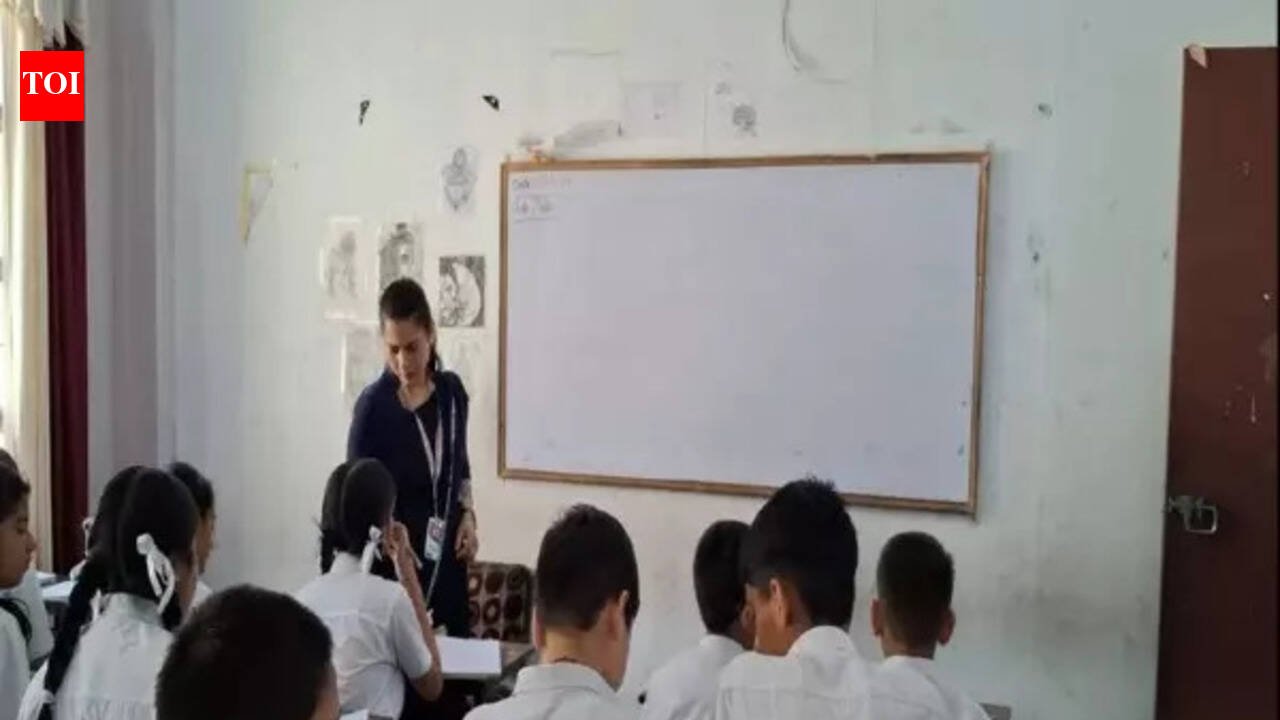
As a huge relief to the students and parents worried about exam pressure, it has been declared that there will be no Class X board exam for the third language R3. The schools will internally examine R3 and it will be recorded in the CBSE certificate. It is clarified that no student will be barred from appearing in the Class X Board Examination due to R3.
Will AI replace your job? Degrees and skills that have best future
CBSE has explicitly clarified that the current batch of Class X will not be impacted by the revised language framework. Furthermore, for the current batches of VII, VIII and IX students will not be required to appear for the board examination in the third language when they are promoted to Class X. The framework proposes a phased implementation from Class VI onwards. Class VI (batch 2026-27) will study two Bhartiya Bhashas, and will be the first batch to be examined in R3 at Board level in 2031.
The three-language structure offers a balanced approach to language learning rather than an additional academic burden as it emphasises on comprehension, communication, application and articulation. The curriculum has been designed to provide students with an opportunity to engage with languages through reading, storytelling, debates, discussions, presentations etc. The focus is on helping students become confident multilingual future ready global citizens.
From Policy to Practice: Can schools deliver on the third language vision?
As parents, we all need to understand that the newly introduced three-language policy is not simply about learning more languages, it is all about giving young learners more ways to think, express, connect and communicate.
For accurate details, the parents should contact the schools directly to confirm which R3 language options are on offer and refer to the official circular on cbseacademic.nic.in rather than rely on unverified social media claims.
(This article is written by Manu Vijayan, Headmistress, Middle School, MRIS, Charmwood, Faridabad)