Storytelling, theatre, music, conversations, digital resources, and cultural exchanges can transform a language classroom into a vibrant learning space.


The introduction of a third language in Class 10 has sparked controversy among concerned parties, such as teachers, parents, and students. However, while one group believes it is an extra burden on academics, others consider it an opportunity to develop multilingual students.

There are many positive aspects of being multilingual since they have numerous benefits. Multilingual people have better cognitive skills, including improved memory and problem-solving skills, along with developing their ability to think from various angles. Besides, multilingual people can better understand the country's diverse cultures, through which they also learn communication skills.
Will AI replace your job? Degrees and skills that have best future
But then again, one cannot disregard the worries regarding this policy. Class 10 is tough as it is, and the pupils have to manage many aspects, such as studies, projects, co-curricular activities, career choices, and board exams. Adding more subjects without proper preparation will cause increased pressure on the children. This is not only a problem of introducing a new subject, but also of the manner in which the subject is introduced.
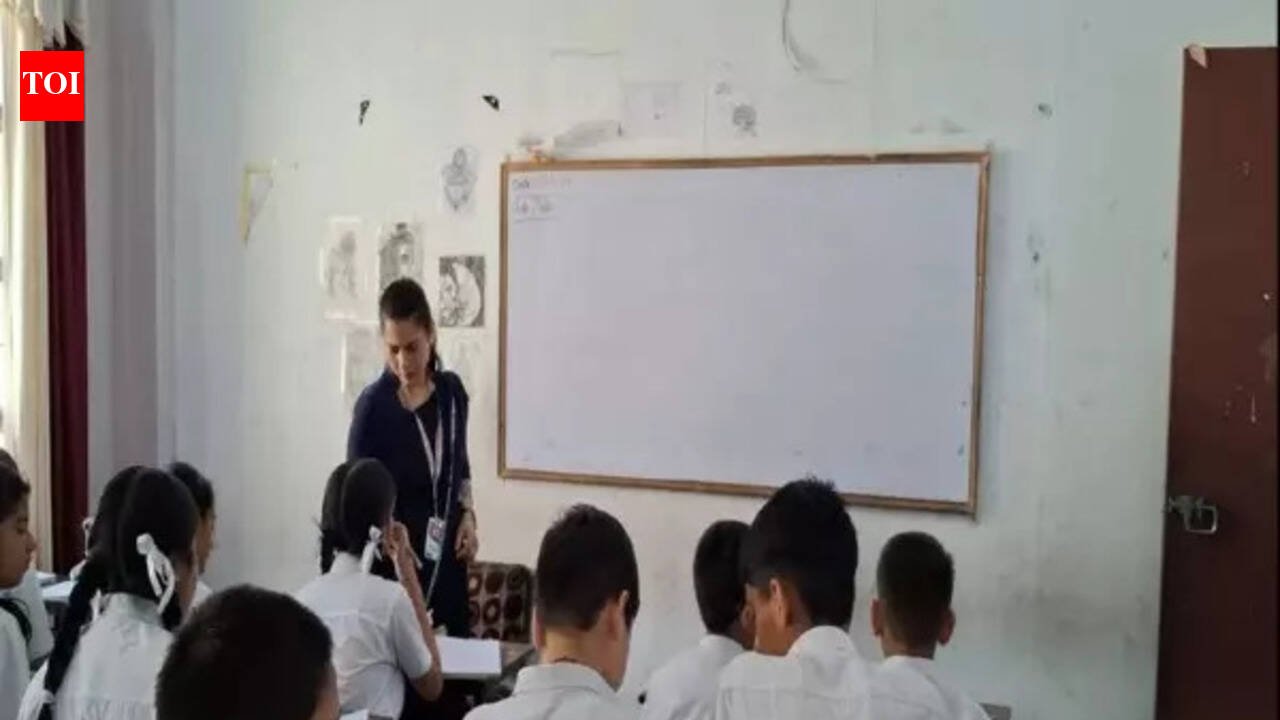
The objective needs to cater to a larger aim of creating lifelong learners, and so the approach must move beyond textbooks and classroom examinations. Learning a language must be fun and engaging, and adopt a more practical approach. Storytelling, theatre, music, conversations, digital resources, and cultural exchanges can transform a language classroom into a vibrant learning space. When students experience a language rather than simply study it, they are far more likely to develop confidence and genuine interest.
Dreaming of a career in Japan? The JET programme by Japan Embassy opens doors for Indian graduates
There are also many practical problems that can crop up in schools. First off, there is a lack of well-trained teachers to teach such languages, good learning materials for pupils, and regional language textbooks. It could prove quite difficult for those students who have spent several years learning French or German and are now suddenly switching to an Indian regional language.
For the policy to be successful, there should be much more than textbooks and examinations. Interactive activities like storytelling, theatre, music, dialogue, culture exchange, and digital learning could make the whole process fun and fulfilling. Through experiencing the language and not just memorising, the learners will develop confidence and fluency, as well as interest
Beyond Studying Abroad: How India is becoming a gateway to global employment
In summary, the implementation of the third language policy is important not in its concept but in its execution. The proper training of teachers, availability of learning materials, flexible methods of assessment, and awareness of diverse educational settings are very important.
The third language policy is not only an opportunity or a challenge—it is both. Any educational change has to go through challenges first before the positive effects come about.
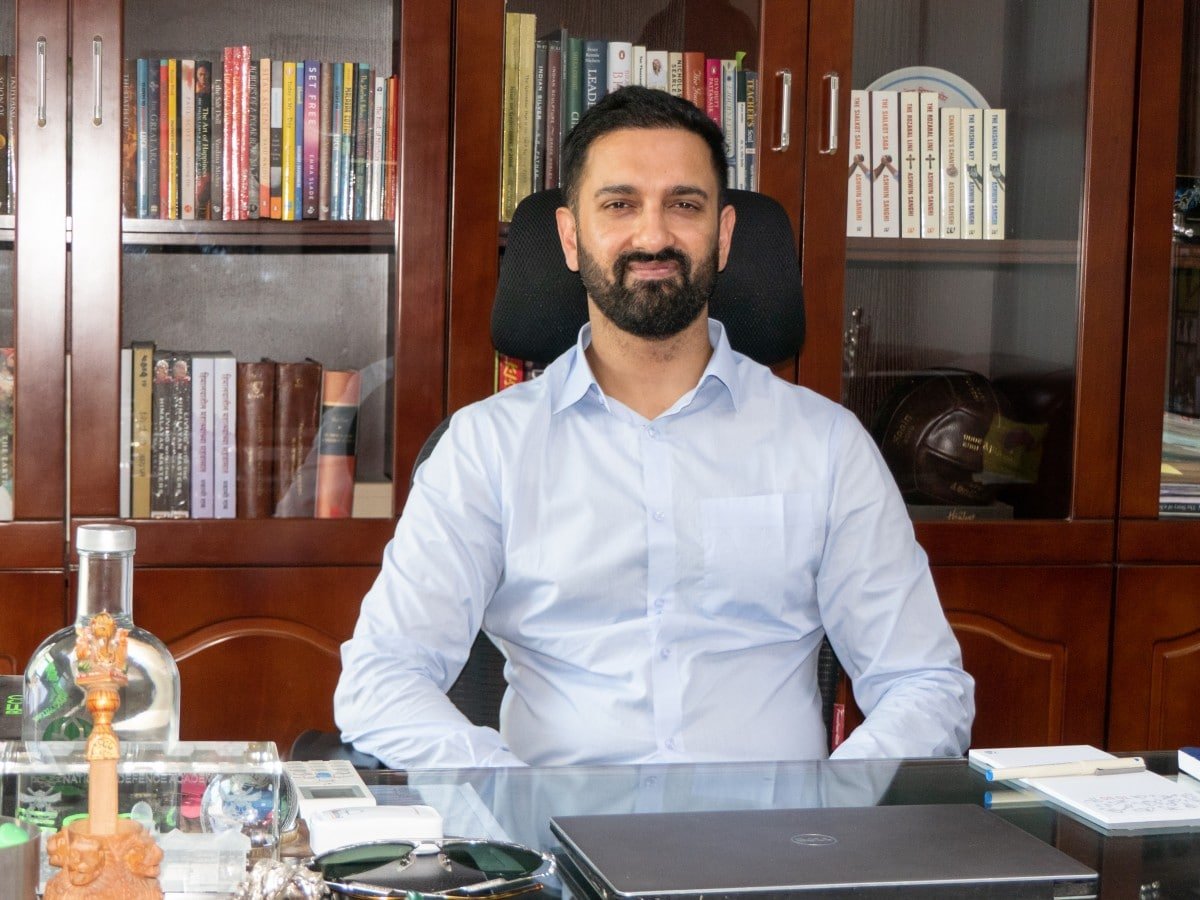
(This article is written by Praneet Mungali, Trustee, Sanskriti Group of Schools)