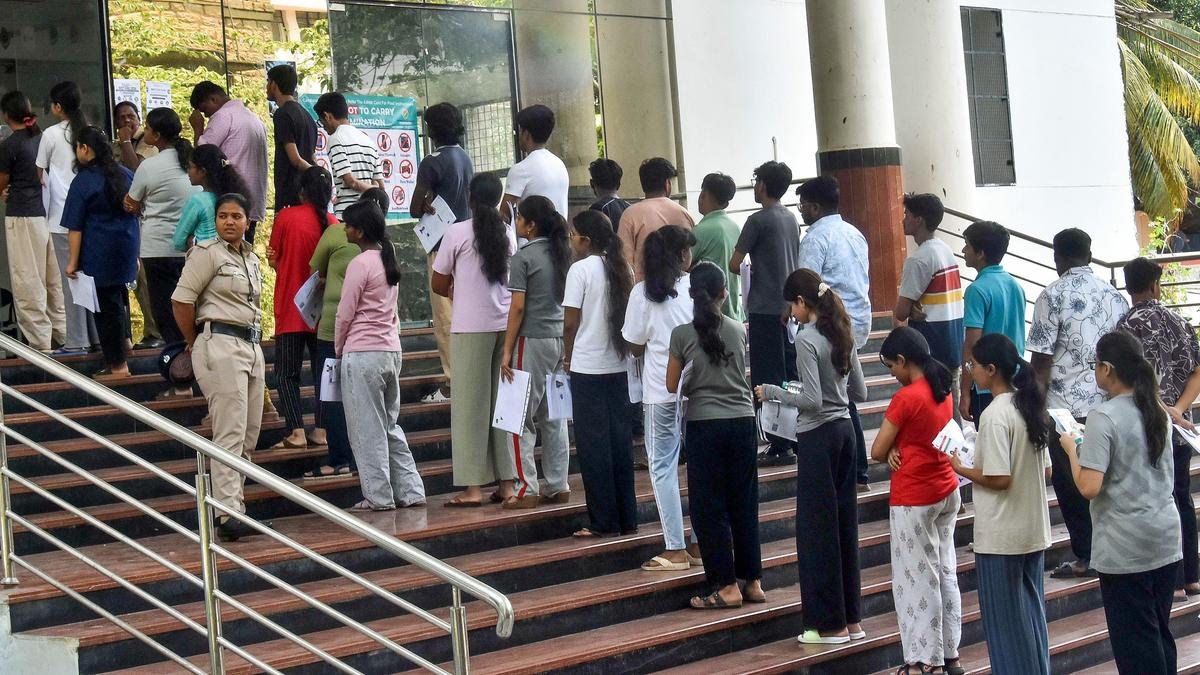
The story so far: On September 17, 2026, the Union government agreed to the Supreme Court’s suggestion of reducing the qualifying percentile for the 2025 National Eligibility-cum-Entrance Test-Super Speciality (NEET-SS) from 50% to 30%. Following this, the Medical Counselling Committee (MCC) has commenced a stray round from September 25 to fill the remaining 1,857 vacant seats. The Centre also agreed to give the 40 vacant in-service seats in Tamil Nadu back to the State.
What is the NEET-SS examination?
The NEET-SS is the only entrance examination for admission to DM (Doctorate of Medicine), MCh (Master of Chirurgiae), and DrNB (Doctorate of National Board) super-speciality courses in India. It is conducted by the National Board of Examinations in Medical Sciences (NBEMS), an autonomous body under the Union Health Ministry. There are over 7,000 seats in the country, with around 15,000 applicants every year.
NEET-SS is not a single unified examination. The courses offered under it are divided into 15 groups: general medicine, general surgery, orthopaedics, paediatrics, obstetrics and gynaecology, anesthesiology, radiology, respiratory medicine, microbiology, pathology, psychiatry, pharmacology, ENT, critical care, and medical oncology. Each group covers multiple specialty subjects. For example, general medicine covers cardiology, nephrology, neurology, and seven other subjects. Each group has a different question paper; that is, there are 15 question papers in total, and the cut-off for each paper varies.
Why were seats going vacant?
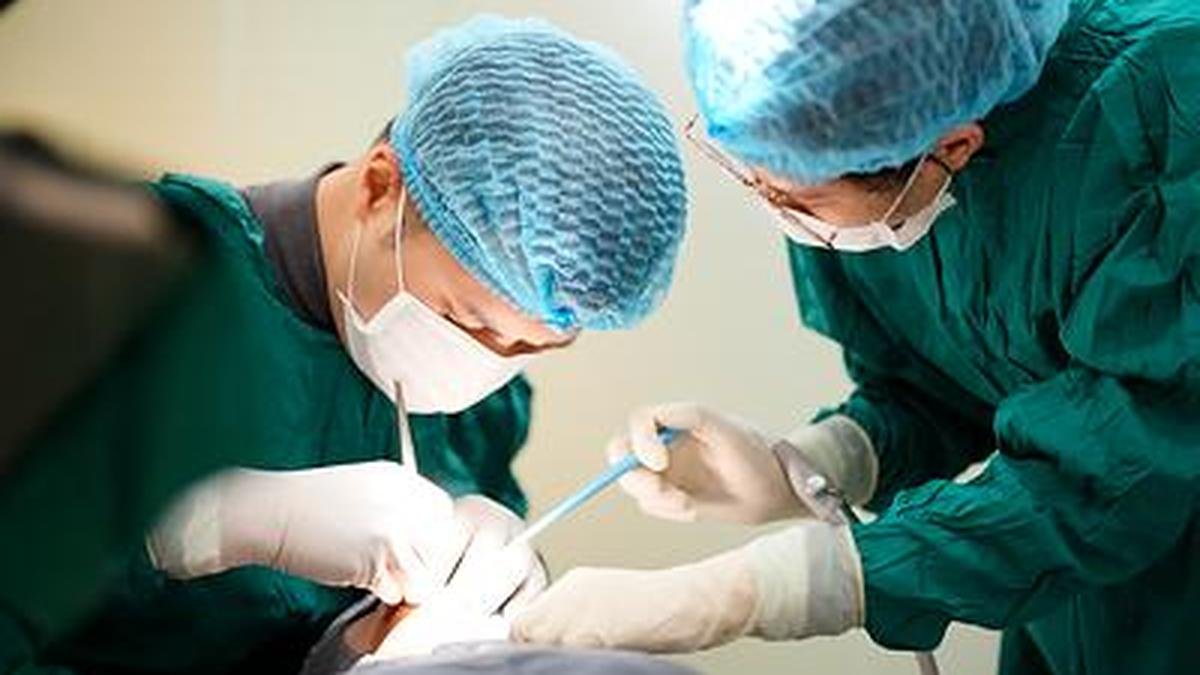
Super-specialisation provides advanced clinical training and teaching for doctors. In India, it is in high demand in private corporate hospitals. “The market factor plays a big role. Doctors are taking super-speciality seats which give more chances for better practice and more money. If the seats they prefer are not available for their ranks this year, they will try the next time. This is a major reason why seats are going unfilled,” Dr. Ravindranath, general secretary of Doctors’ Association for Social Equality, said.
Cardiology, neurosurgery, medical oncology, and gastroenterology are among those subjects which are highly competitive with lower vacancies. Seats mostly go vacant in those courses which do not have as much demand. For example, cardiovascular and thoracic surgery has witnessed a drop in demand as medical treatment now relies on drugs and radioactive interventions over surgery. Super-specialisation in paediatric surgery has a lower demand due to competition from doctors in other specialisations.
Candidates prefer top-ranking institutes for pursuing their super-specialisation, and hefty fees in private colleges lead to vacancies.
A long-pending problem in courts
In 2023, after 1,003 seats remained vacant, a Supreme Court Bench led by Justices B.R. Gavai and Vikram Nath asked the Centre to find a solution. The Bench called these vacant seats a “wastage of resources”. Following this, the Medical Counselling Committee (MCC) announced that the 2023 candidates with zero percentile were also eligible to secure a seat if they opt for it; however, many seats still remained vacant. In 2024, around 600 NEET-SS seats were vacant after two rounds of counselling, which led to mop-up rounds following court intervention.
In 2026, while hearing the case filed by Tamil Nadu Medical Officers Association, the court said the large number of vacancies in the 2025 NEET-SS admissions presented the case for reduction of the qualifying percentile “compelling.” The Bench of Justices B.V. Nagarathna and Joymalya Bagchi said access to super-speciality for in-service government doctors must become easier as they are appearing for the exam while providing service to the public at the same time.
What was the demand of doctors from Tamil Nadu?
Under G.O. Ms. No. 462, Tamil Nadu has reserved 50% of NEET-SS seats for in-service doctors in State medical colleges. This quota was upheld by the Supreme Court in 2022.
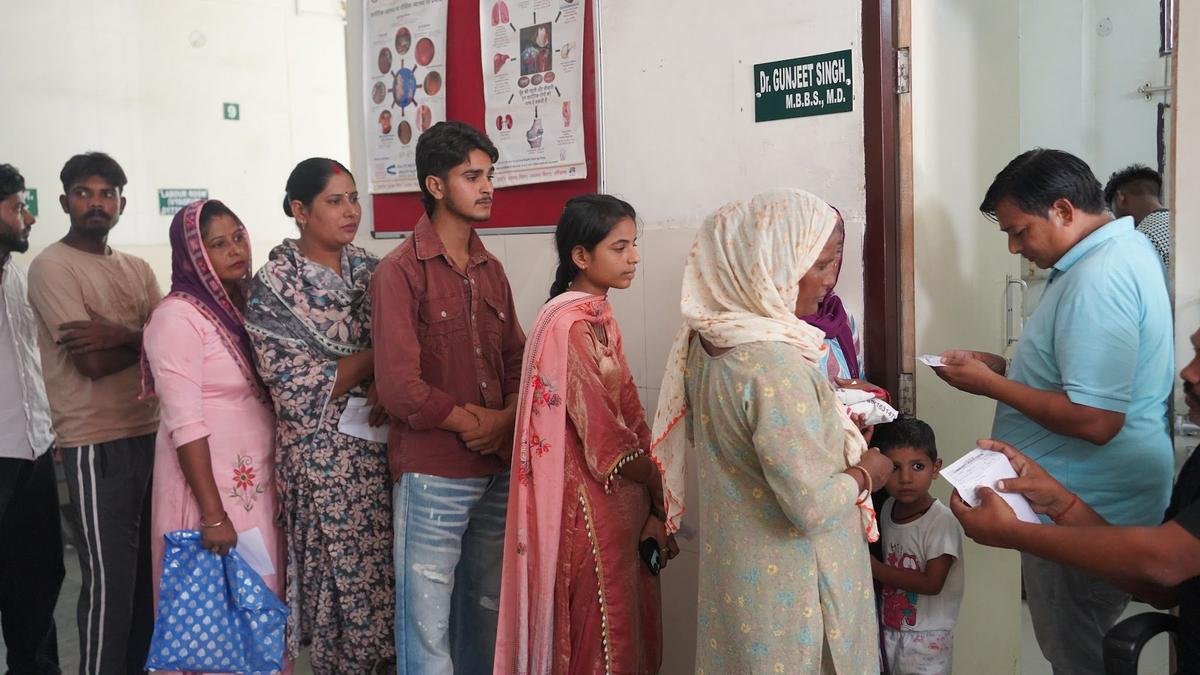
In the 2025 cycle, the State had reserved 219 seats for in-service doctors, of which only 68 were filled. Over 111 candidates remained on the waiting list. In the petition, the Tamil Nadu Medical Officers Association challenged the “premature diversion” of 152 seats reserved for in-service doctors working in State hospitals into the All India Quota. Senior advocate P. Wilson, for the petitioner, said that many candidates, particularly from rural parts of the State, were awaiting a reduction in the qualifying percentile. This is relevant as there is no caste- or religion-based reservation in this exam. He also sought protection of the in-service quota. This led to the Centre giving 40 vacant seats back to the State.
Is this adequate to address the problem?
“Reducing the cut-off might address this problem to an extent, but it cannot prevent seats from going vacant,” Dr. Ravindranath said. He added that the low number of government seats in States like U.P., Bihar, and the Northeast is worsening the issue. Along with this, employment and promotion opportunities have not increased for super-specialists. This is because in government hospitals, new departments for such specialisations have not been established. The low stipends and heavy workload in the course are also factors that discourage candidates from pursuing super-specialisation.