Dengue and influenza viruses are currently in circulation, with a number of hospitals in the city reporting a steady flow of patients with fever, though doctors say the numbers remain in line with the seasonal trend.
“Currently, both flu and dengue viruses are in circulation. Flu spreads from person to person, while dengue is a vector-borne infection. We need to deal with both the infections carefully. If a person has fever, they should look out for respiratory symptoms such as cold, cough, and throat pain. These are the primary symptoms of Influenza-Like Illness (ILI). If there is a high-grade fever with no respiratory symptoms but body pain and headache, it is a sign of dengue,” a senior government doctor said.
Hidden cases
Epidemiologically, if one case of dengue is notified in a particular area or village, it means there are hidden cases, he said, adding: “There is no need to test everyone, and persons with typical symptoms can be treated appropriately based on a physician consultation. Laboratory tests can be initiated if doctors prescribe.”

He said that in the case of flu, it is mostly self-limiting, but utmost care should be taken for elderly and pregnant women. “ILI can lead to Severe Acute Respiratory Infection and people could land in Acute Respiratory Distress Syndrome. Early treatment is important for flu-like symptoms. For dengue, a basic blood test — Complete Blood Count — will give us clues, especially a drop in the platelet count. So, with two viruses in circulation, which happens naturally during this season, people should be prepared and alert,” he said. However, there are no official institution-wise figures on fever outpatients or admissions. Authorities of at least two government hospitals in Chennai said the number of fever cases were not rampant and admissions for fever had not increased. In another hospital, senior doctors said all beds in the fever ward were full, and that the patients were recovering.
Seasonal trend
S. Chandrasekar, Professor and Head, Department of Medicine and Critical Care Services, Government Stanley Medical College Hospital, said that at present, the situation was not alarming and the rise in fever cases was in line with the expected seasonal trend typically observed from September to November.
“A mild variant of flu is also in circulation. Dengue cases slowly peak after rainfall in mid-November and usually settle by February-end every year. There is a small excess of cases this year. Many persons, especially adolescents/teenagers, are being referred late, and with complications such as capillary leak syndrome on the fifth or sixth day of illness. We are closely watching the situation. It is important to know the warning symptoms of dengue,” he said.
At Kanchi Kamakoti CHILDS Trust Hospital, medical director Janani Sankar said they were seeing a lot of dengue and influenza A cases as well as a few Respiratory Syncytial Virus infections. “The cases are quite rampant. Our beds are full. We are seeing children with dengue, respiratory infections, wheezing, and bronchiolitis. Some children with dengue are requiring admissions for 24 to 48 hours, but none with complications,” she said.
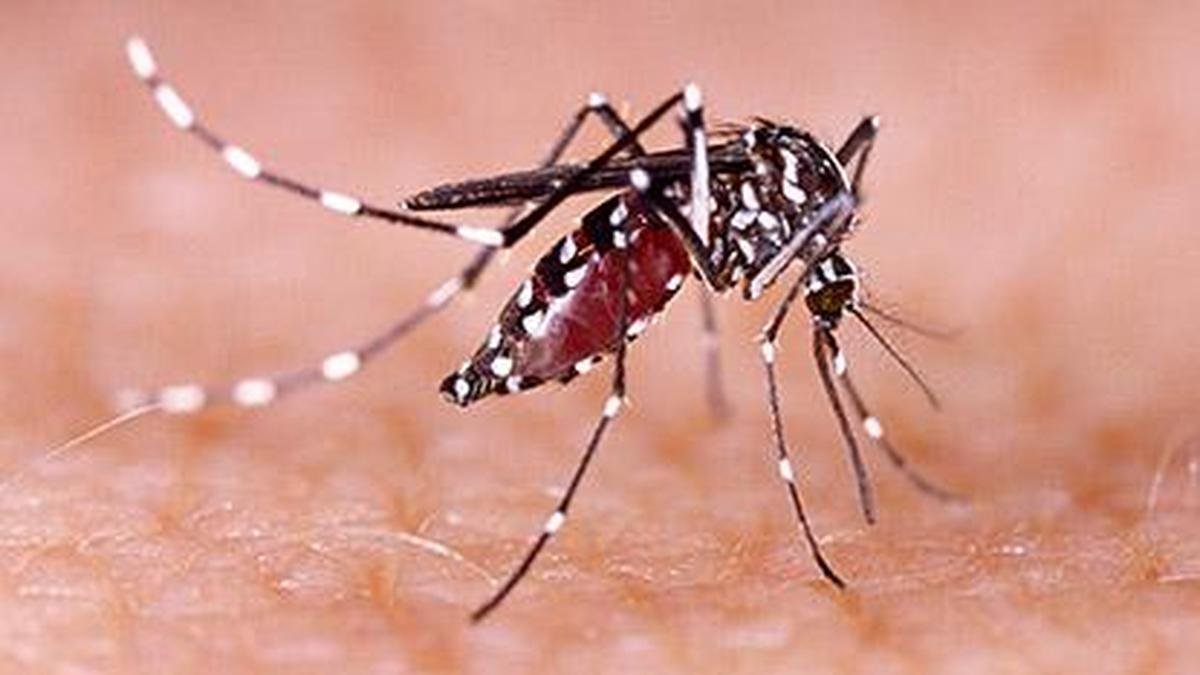
Dr. Sankar said parents should ensure there are no water collections in and around their homes. As dengue virus is transmitted by a day-biting mosquito, schools must ensure that they take mosquito control measures. “If a child is dull after a fever subsides, they should seek medical help. The warning signs of dengue are abdominal pain, vomiting, bleeding, drowsiness, and refusal to take feeds,” she said.