The U.S.
House of Representatives on Wednesday (September 16, 2026) passed legislation targeting Russia’s energy sector, individuals and the “shadow fleet” of tankers, including authorising the U.S.
President to impose tariffs of up to 100% on India and other countries for buying oil and gas from Russia.
The House voted 262-159 in favour of the Bill.
The Bill, an amendment to the Senate’s “Lindsey O.
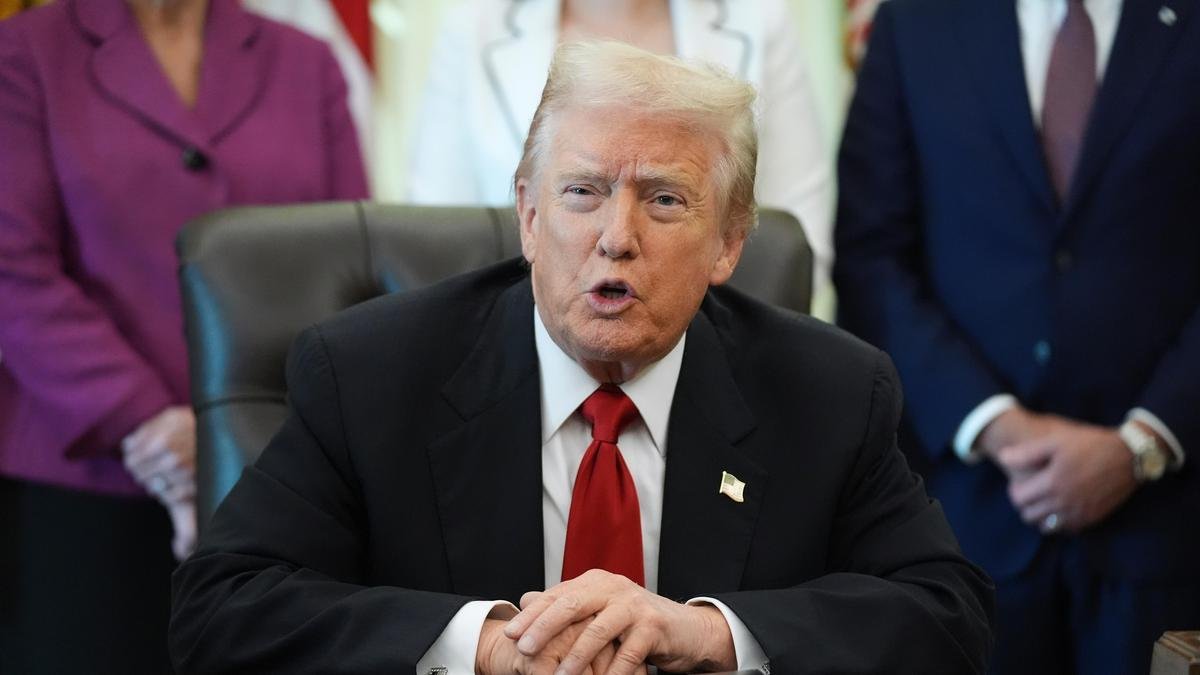
Graham Sanctioning Russia and Iran Act of 2026”, will now head to President Trump’s desk for his signature.
Mr.
Trump plans to sign the bill, a White House official told The Hindu on Thursday.
The President will have the authority, under the legislation, to waive sanctions in the national interest.
This Bill comes as New Delhi and Washington have been negotiating a preliminary trade deal.
The Trump administration had announced an additional 25% tariff, on top of an existing 25% tariff on India in July 2025, for the purchase of Russian oil.
The share of Russian crude oil in Indian oil imports fell to its lowest level in two years in December 2025, but energy markets have been under additional pressure owing to the U.S.-Iran conflict and New Delhi’s import of Russian oil hit an 11-month high in April this year.
However, the U.S.
Treasury paused sanctions for oil shipments that were in transit before March 11, 2026, as supplies were hit following the start of the conflict in West Asia on February 28.
“To China and India: You better clean up your act.
Buy your oil and gas somewhere else,” said Senator Richard Blumenthal, a Connecticut Democrat, shortly after the Bill was passed.
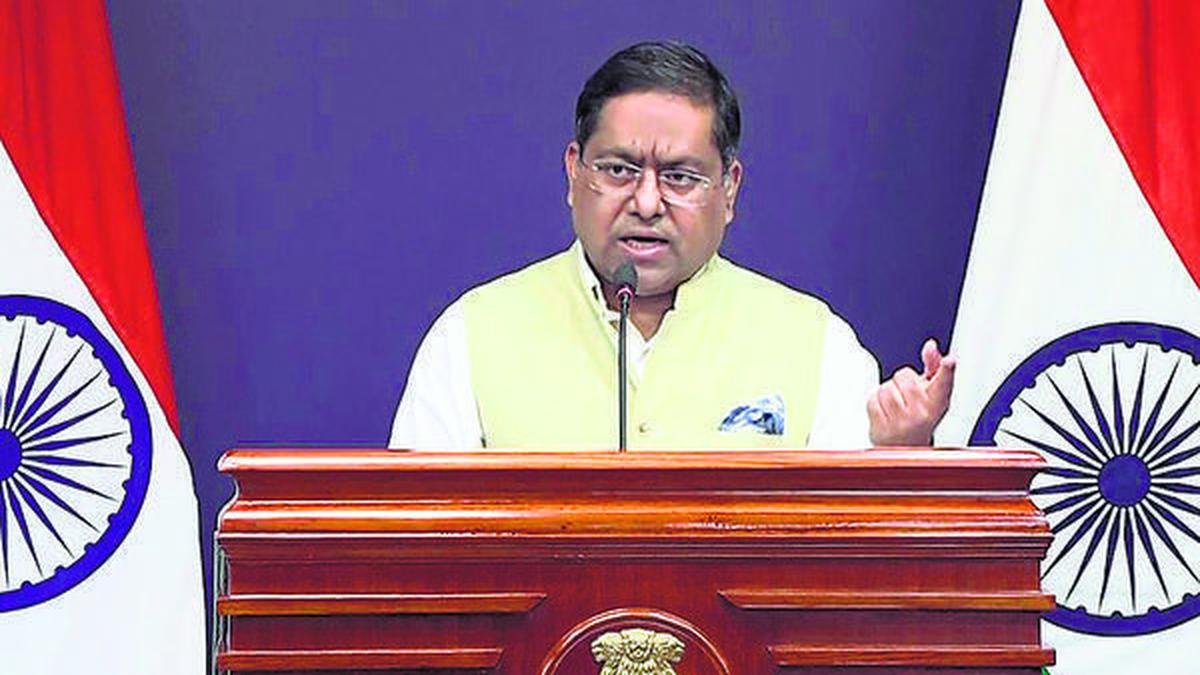
In a statement reacting to the move, the Ministry of External Affairs said, “India remains firmly committed to ensuring energy security for its 1.4 billion people” via diversified sourcing of energy inputs, determined according to evolving market forces.
India would also “protect its trade and economic interests”, the Ministry said.
The issue had been discussed with various U.S. interlocutors at high levels, the Ministry statement said, adding that the government made it clear to the U.S. that the sanctions would have implications for the bilateral relationship and energy markets.
What the Bill says on potential target countries Countries that would be potential targets for the tariff are the top five “largest importers, by total volume” of Russian-origin crude oil or natural gas in the 12 months preceding the date of enactment of the law, and have knowingly made new purchases of Russian crude oil on or after30 days from the date the Bill becomes law.
A country that is among the top five countries “facilitating Russian oil sanctions evasion” would also be eligible for the tariffs of up to 100%.
Countries that have taken significant steps to reduce their Russian natural gas imports or whose gas imports were less than 15% of Russia’s total gas export, would be exempt from the sanctions.
A House amendment proposed by Democrat Steny Hoyer that sought to name the top 10 importers — China, India, Turkiye, Azerbaijan, Hungary, Slovakia, the UAE and the Kyrgyz Republic — had not passed into the final version considered on Wednesday.
Concerns over sweeping powers to the President The Bill, named after Senator Lindsey Graham , a prominent voice supporter of Ukraine, who died suddenly on July 11 this year, had passed the Senate 86-11 on August 7.
Several prominent Democrats, like Elizabeth Warren and those caucusing with Democrats like Bernie Sanders, as well as some Republicans, such as Rand Paul, had opposed the Bill, concerned over the sweeping powers it would give the President or the cost it would impose, via tariffs, on Americans.
Several lawmakers have been concerned that the ability of Mr.
Trump to impose tariffs on U.S. allies — such as Canada and the European Union in its entirety — would be bolstered by the Act.
The Ranking Member (i.e., from the chamber’s minority or Democratic party) of the House Foreign Affairs Committee (HFAC), Gregory Meeks, criticised the Bill.
“We cannot grant the President more tariff power that, we know, he will abuse,” Mr.
Meeks said, adding that it would cost at least $3000 per American family, assuming Mr.
Trump restricted tariffs on the top five importers of Russian oil.
In remarks on Tuesday (September 15), Mr.
Meeks had emphasised that he supported sanctions on Russia, arguing that the President already had powers to sanction Russia but was not using them.
‘U.S. pressure mounts, Modi govt keeps surrendering’: Mallikarjun Kharge on Russia sanctions bill U.S.
House passes Bill to aid Ukraine and impose new sanctions on Russia U.S.
Senate passes Russia sanctions bill that seeks 100% tariffs on India, four others India, China, Brazil among countries targeted as Trump 'greenlights' Russia sanctions bill