Pakistan tried to prevent a repeat of the early business closures enforced in April, but rising fuel prices have forced it to take similar measures again
Pakistan is currently going through a massive fuel and gas crisis caused by the ongoing war in West Asia. The war between the US and Iran has led to a rise in global oil prices, threatening nationwide gas and power supplies across the country, according to a PTI report.
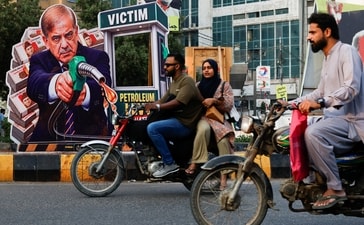
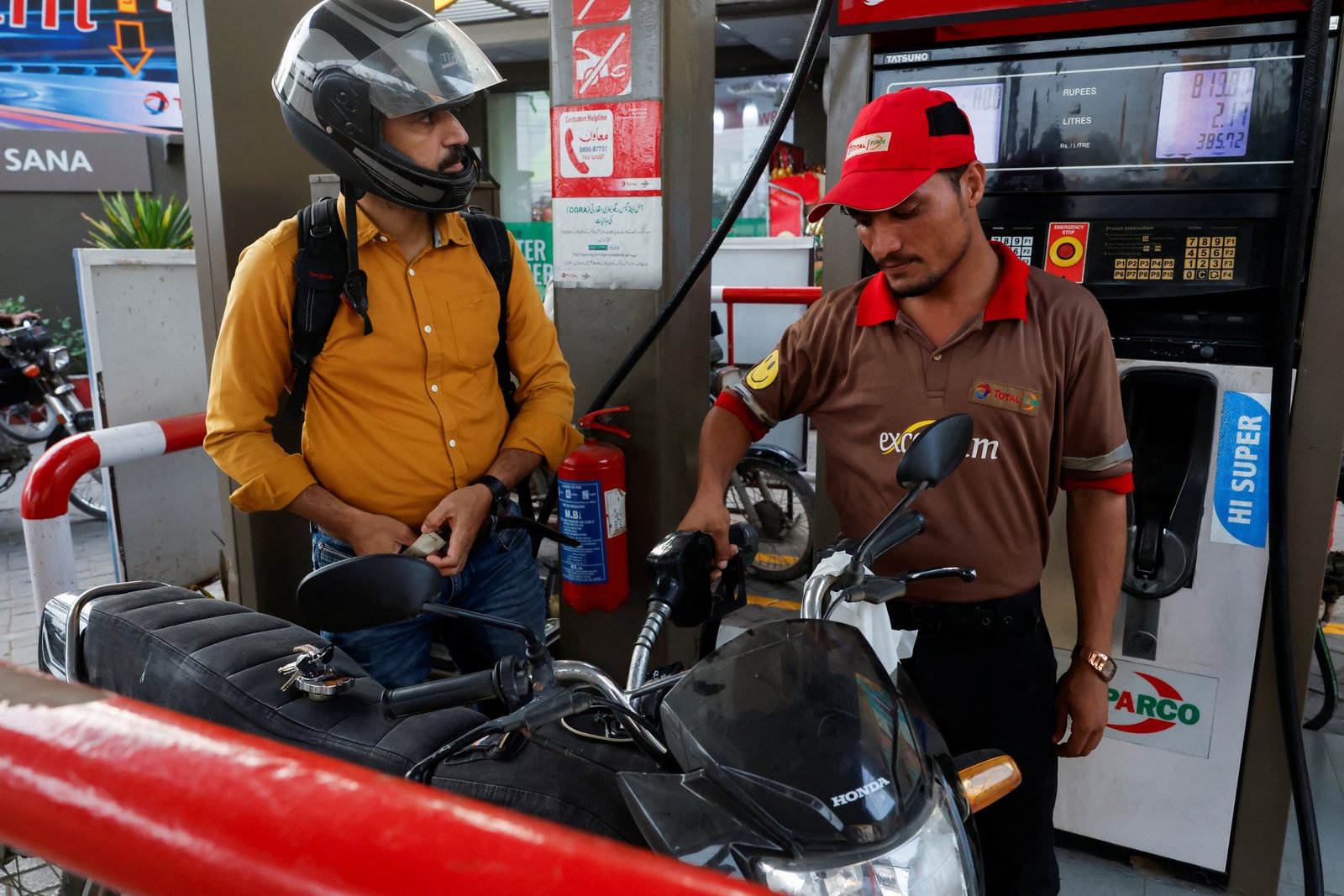
People in Pakistan are already under pressure due to rising diesel and petrol prices. The government on Tuesday raised the price of petrol by PKR 4.10 per litre and high-speed diesel by PKR 6.41 per litre, taking them to PKR 384.34 and PKR 415.83 per litre, respectively.
The government also introduced a fuel subsidy that came into effect on Wednesday to ease the sharp rise in fuel prices, Reuters reported. However, the measure has provided limited relief, with people struggling to access the subsidy.
Vehicle owners have to register for the subsidy, but the programme is reportedly not working smoothly, said the report. Mohammad Musharraf, a resident of Karachi, said he had spent days trying to register his motorcycle and ID card number but had struggled to do so.
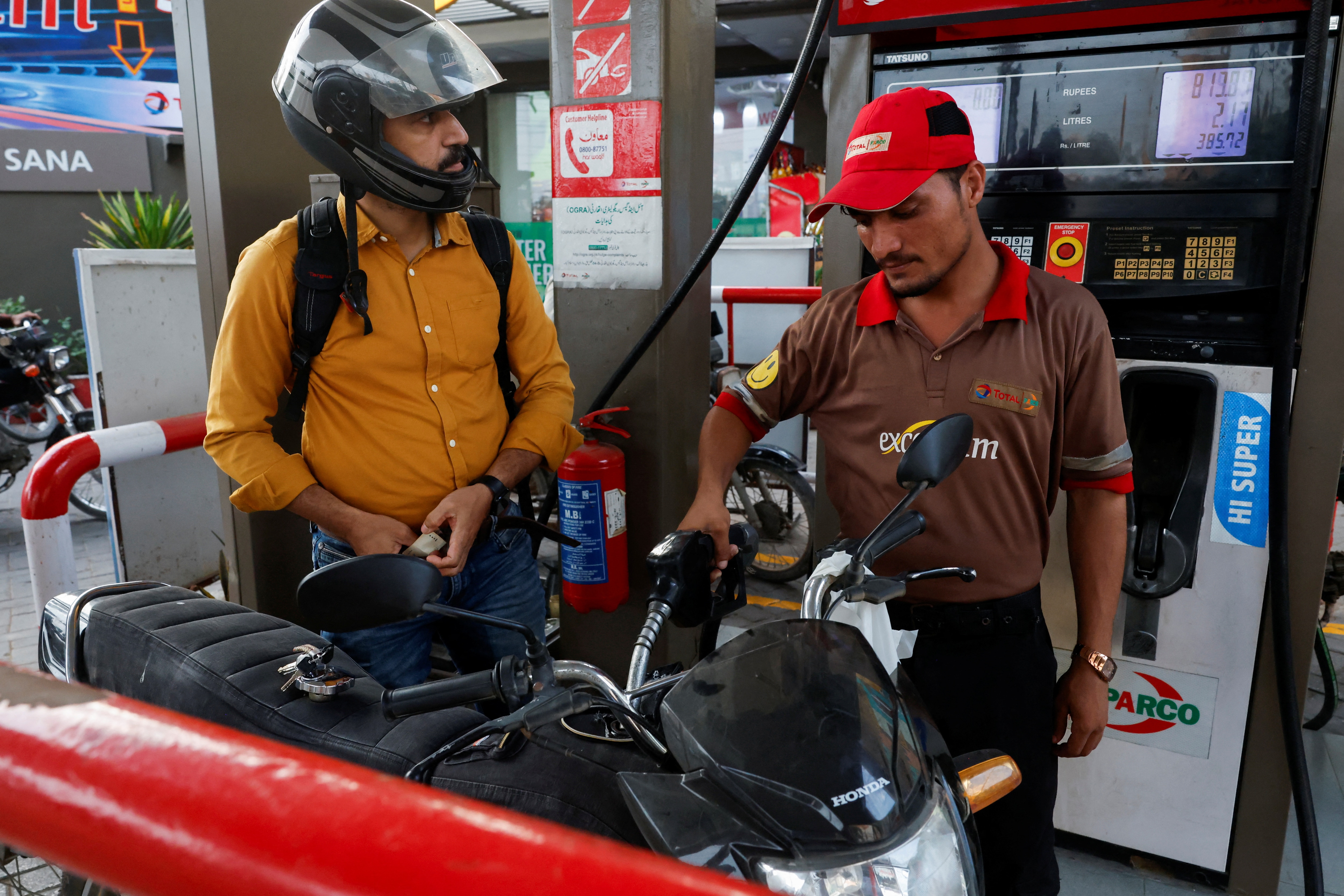
“First of all, you have to register your vehicle. Then you have to register your mobile phone. How can an illiterate person survive if the conditions are so difficult?”, he was quoted as saying by Reuters.
Hit by the crisis, Pakistan has been forced to take austerity measures to curb fuel consumption.
Take a look at the measures taken by Pakistan:
1. 50% cut in fuel allocation
One of the measures announced by the Pakistan government is a 50% cut in fuel allocations for government vehicles. However, vehicles used by the armed forces, law enforcement agencies and essential services have been exempted.
2. Markets to shut by 9 pm
The government has directed all markets to close by 9 pm, while marriage halls can operate until 10 pm and restaurants until 11 pm. Drug stores and medical laboratories have been exempted from these restrictions.
3. Cuts in government expenditure
The government has also announced a 5% reduction in non-employee-related expenditure and banned official foreign visits, as well as domestic travel for meetings. Officials have been asked to switch to virtual meetings instead.
4. Official dinners, new vehicles banned
Official dinners have also been prohibited, except those hosted for foreign visitors and delegations. The purchase of new government vehicles has also been banned.
This is not the first time Pakistan has taken such steps. In April this year, the country had also imposed several restrictions as part of measures to conserve fuel and reduce government expenditure.