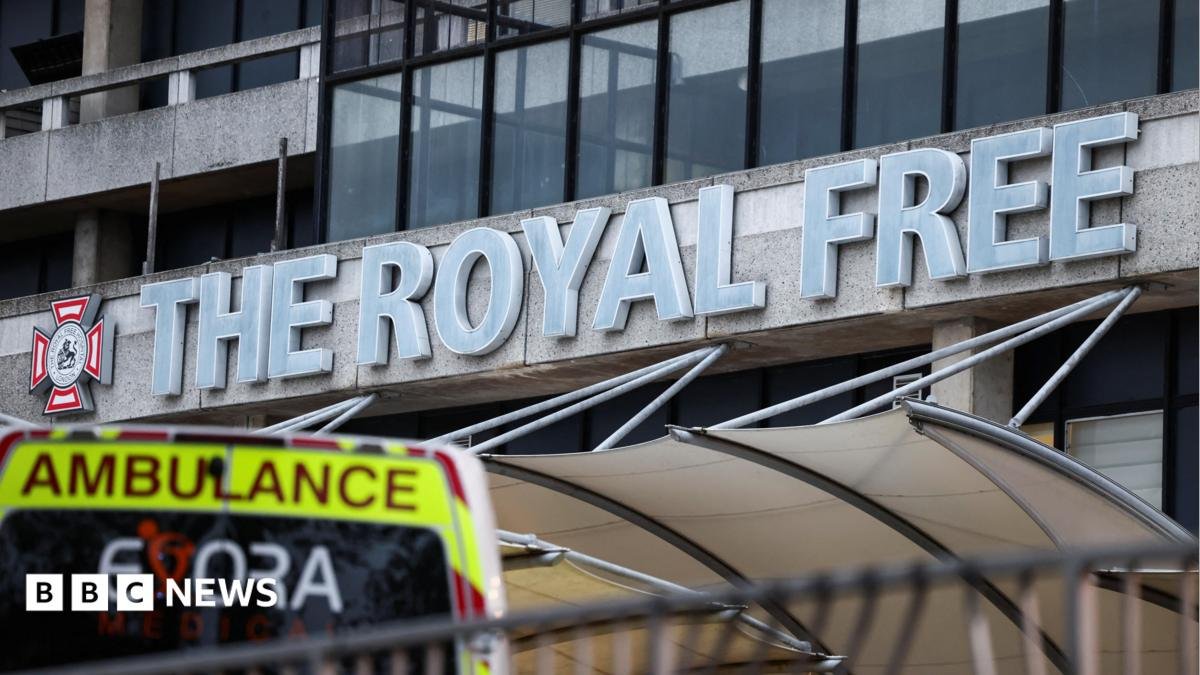
Image caption, Concerns have been raised about emergency care at Queen Elizabeth University Hospital Published 9 November 2026, 12:53 GMT Updated 2 hours ago Senior emergency doctors at Scotland's biggest hospital have written to the healthcare watchdog warning of harm to patients from delays to care.
The consultants also warned of uncontrollable system failure, in a letter sent to Healthcare Improvement Scotland (His) in July.
They said the situation in the emergency department at the Queen Elizabeth University Hospital (QEUH) in Glasgow had deteriorated since their last review, which was undertaken in 2024 and published a year later.
That report found that poor relationships between managers and consultants was likely to have had a detrimental impact on patient care.
The July letter said staff were being forced to step down patients from resuscitation areas and move people into corridors to address "sustained overcapacity".
They added that there was no effective strategy to address the problems, and said evidence now clearly linked overcrowding in accident and emergency areas to higher death rates.
Emergency doctor 'completely terrified' of looming winter pressures on NHS Published 11 October Expert calls for safety review at Scotland's troubled superhospital Published 13 May A spokesperson for Health Improvement Scotland said it continued to "take the concerns raised by staff in the Queen Elizabeth University Hospital Emergency Department seriously".
The statement added: "As part of our ongoing follow-up work, we will be meeting frontline staff and reviewing progress against the recommendations from our previous review during November.
We have also made Scottish government colleagues aware of the ongoing concerns and pressures that have been raised with us.
"It is for NHS Greater Glasgow and Clyde to implement the changes required and to address the issues identified.
We expect the board to demonstrate progress in implementing the recommendations and responding to the concerns raised by staff.
"Given our ongoing review activity, it would not be appropriate to comment in detail on specific correspondence or to pre-empt our further findings from our follow up work." 'This letter is chilling' The Scottish Liberal Democrats called on ministers to act on the letter.
Their health spokesman, Adam Harley MSP, said: "This letter is chilling.
The Scottish government needs to wake up to the crisis at the QEUH and intervene.
"We cannot accept this constant crisis as the status quo.
"That patients who need resuscitation at one of our busiest hospitals cannot take their safety for granted shows an utter failure of accountability, and proves that our NHS is in dire need of rescue." NHS Greater Glasgow and Clyde (NHSGGC) said they continued to address the issues raised in the letter.
A statement said a programme of improvement work was ongoing to deal with patient flow and numbers.
It said: "NHSGGC recognises that, despite the work to date, further support is required in the Queen Elizabeth University Hospital.
In recognising this, the continuation of our improvement work, including a refreshed whole system approach, is a priority .
"We recognise that some patients continue to wait too long within the emergency department, particularly when there are pressures on hospital capacity and delays in discharging patients who are clinically ready to leave, and improving this situation for both our patients and colleagues is really important to us." The board said the department continued to be under pressure and patient safety remained their highest priority.
Image source, Press Association Image caption, Health Secretary Angela Constance said current A&E waiting times were unacceptable Health Secretary Angela Constance said she was aware of the concerns raised by A&E staff at the QEUH, and agreed current waiting times were not acceptable.
"We do know that emergency departments across Scotland continue to experience that sustained pressure," she said.
She stressed that it was important for people to access a "full range" of other services - like GPs and pharmacies where appropriate - instead of going straight to A&E.
Constance said she would be engaging with both NHSGGC and HIS on the specifics raised in the letter.
She said she would "seek assurance and scrutiny" from HIS, adding: "It is the role of Healthcare Improvement Scotland to ensure that local managers and decisions at board level can demonstrate that grip and control of emerging situations".