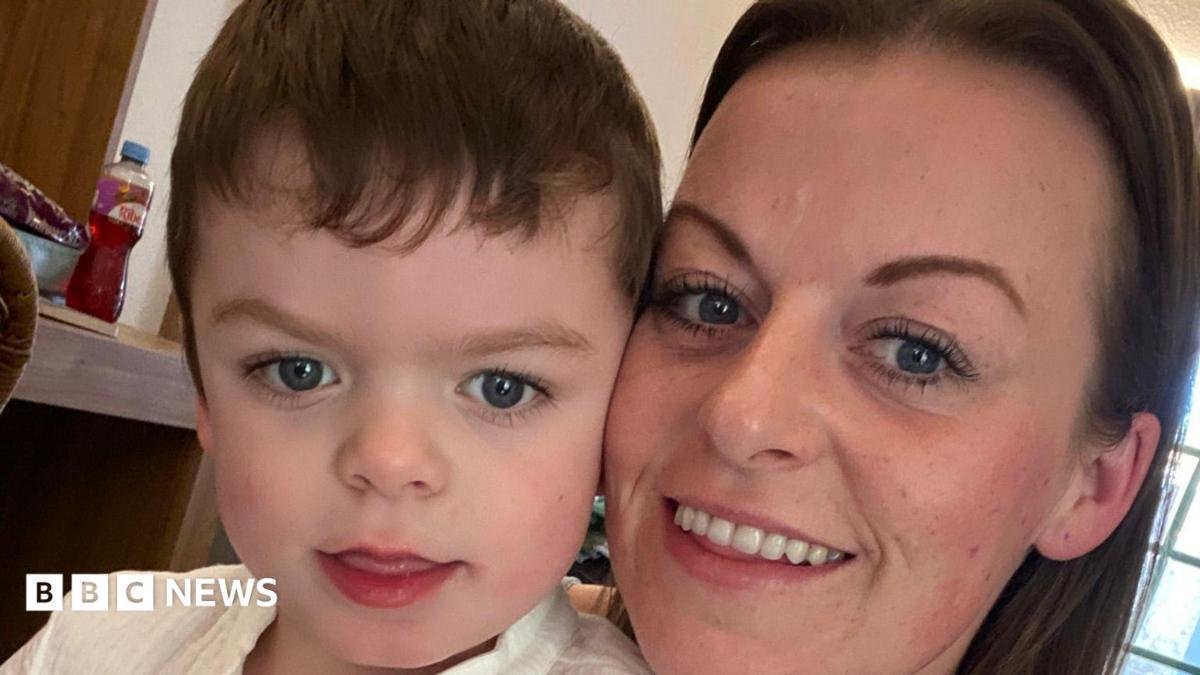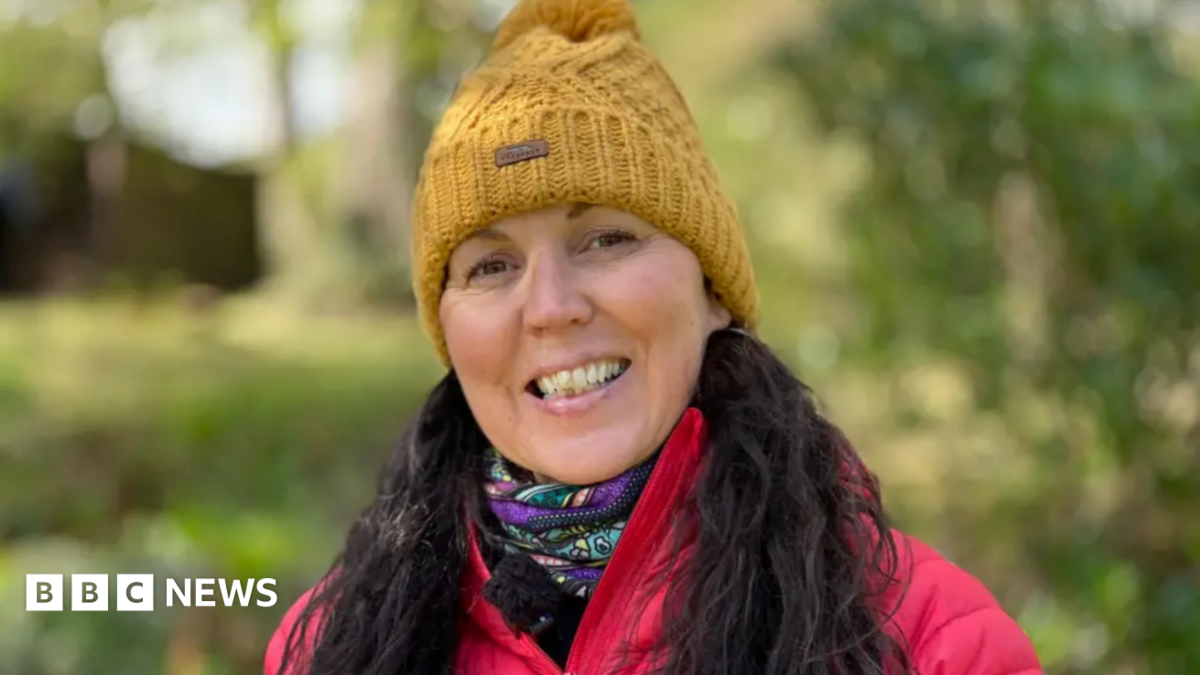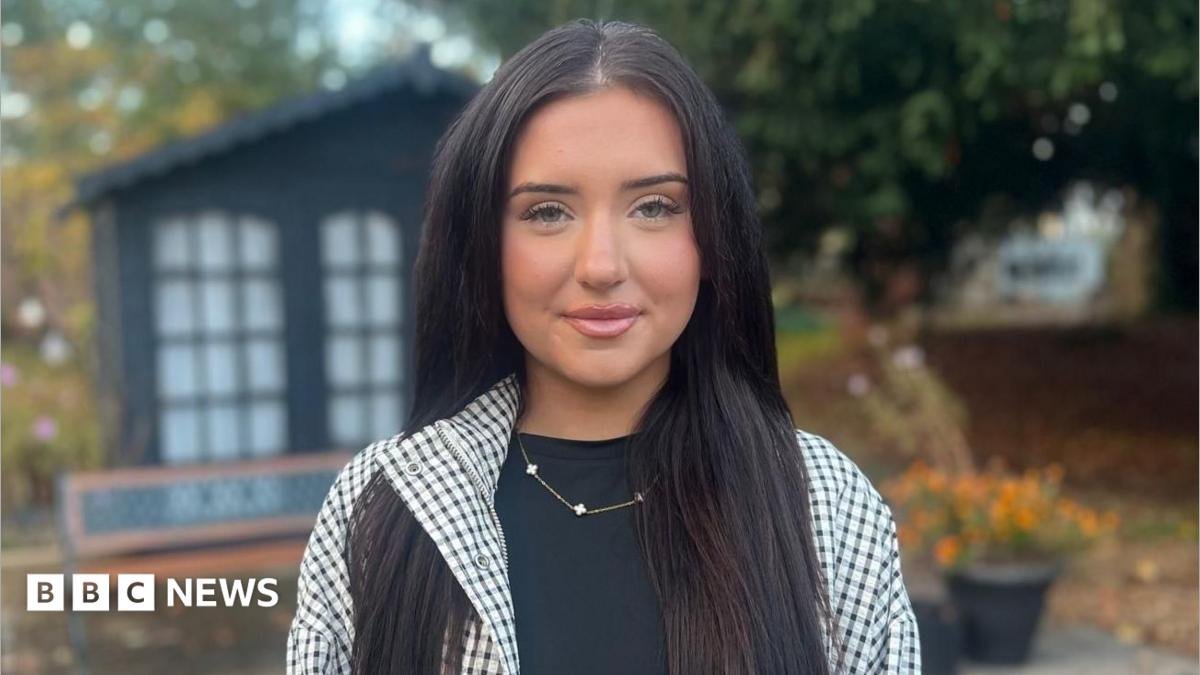
Image caption, Charlotte Samphire, who has endometriosis, says women should not have to choose between their careers, their finances and their health BySarah SandersonEast Yorkshire & Lincolnshire political reporter Published 9 November 2026, 06:01 GMT After years of suffering the pain of endometriosis, 21-year-old Charlotte Samphire was forced to leave her job because the symptoms were too severe to manage.
Now, the beauty therapist from East Yorkshire, along with Hull charity Hey Endo!, is hoping improvements will soon be made after a government report found the condition is having a significant impact on women's finances and careers.
"People need to know that women shouldn't have to choose between their careers and their health," she said.
Samphire, who has stage 4 endometriosis and has suffered years of debilitating pain since she was just 10 years old, said although her boss was understanding, she knows not everyone would be so lucky.
Endometriosis is a chronic condition in which cells that are similar to the lining of the womb grow in other parts of the body.
It can take an average of nine years to get a diagnosis from the onset of symptoms and it affects 1.5 million people in the UK.
The All-Party Parliamentary Group on Endometriosis recently published a report on the condition in the workplace, commissioned and funded by Endometriosis UK.
Kirsteen Sullivan MP, who is chairwoman of that group and also has endometriosis, said she wanted the government to introduce a national framework for women in the workplace.
"That framework should build on existing standards and the menopause action plans that were already introduced earlier this year," she said.
"I think that will provide support and guidance for employers so that they can better understand the support they should be providing to their employees, but also allow women living with the condition to better understand the kind of support they should receive." She said the government should also review guidance around the Equality Act to ensure it better reflects fluctuating and chronic conditions.
'Educate employers' Samphire said: "I worked in a salon and I loved working there, but I struggled to manage my endometriosis and I had to tell my employer that I couldn't fulfil my roles.
"Endometriosis changes women's lives every day, whether that's just being diagnosed or whether you've quit your job because you can't do it anymore, or whether it's taken over your mental health.
It will do that to you.
"I believe the government should make it mandatory for employers to be educated on all conditions, whether they're visible or invisible, and the steps and support that they can take to help their employees.
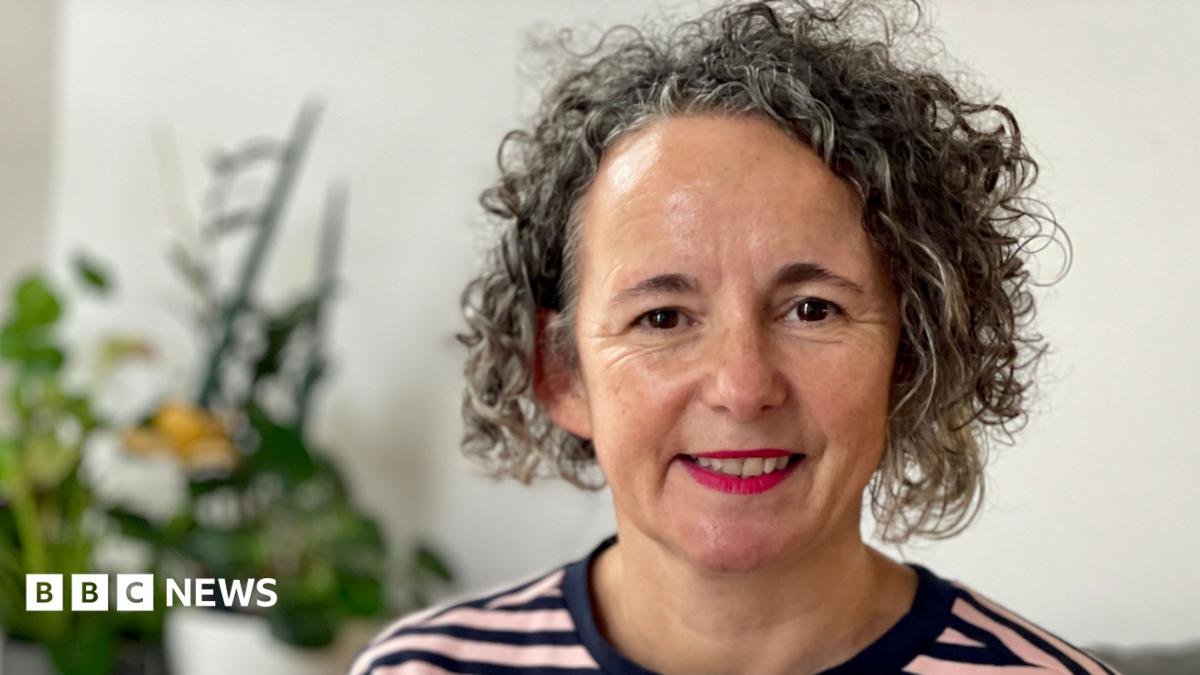
"This could help so many women change their career paths, even change their lives." Image caption, Helen Wilkinson says she went through 17 jobs in 14 years because of her symptoms Hey Endo! was co-founded by Helen Wilkinson, 34, and Ashleigh Hirst, 35.
It became a registered charity in 2024 and now has more than 3,500 service users.
Last year, the charity launched a workplace Best Practice Charter in collaboration with the Hull and District Trades Union and Hull West and Haltemprice MP Emma Hardy.
Wilkinson said: "I went through 17 jobs in 14 years and a lot of it was due to sickness absence.
"I would either lose the job because I had too much time off or I would leave the job before they could sack me because I had too much time off." She said some employers have been "absolutely brilliant" and tried to understand but in other workplaces the understanding simply wasn't there.
"Almost everybody who comes into our service from the beginning, within six months they're in a much better place with themselves," she said.
"They're a lot stronger and able to go out and advocate for themselves and they know their rights.
"For a lot of them, it's often a case of basic information that they weren't aware of, just directing them to things like the Equality Act and having a word with their occupational health team at work." Image caption, Ashleigh Hirst says being diagnosed with endometriosis helped her realise her symptoms were not normal but down to the condition Hirst says her endometriosis symptoms started to appear around the age of 11.
She describes her diagnosis, at the age of 25, as a "big wake-up call".
"I was just recently married but all of these symptoms came in a great big wave and just knocked me off my feet," she said.
"Being on the floor in pain and vomiting through the pain, I thought that was normal and I thought everyone went through it and I just kept it behind closed doors, but actually it's not normal." Hirst says Hey Endo! would like the government to speak to local charities like theirs if a new national framework on endometriosis is developed.
"We have said for many years that there are so many women in the workplace who don't feel supported, who maybe feel like they have to change jobs and careers.
"It absolutely has to happen sooner rather than later." A government spokesperson said: "For millions of women, endometriosis has a serious impact on their wellbeing, relationships and participation in the workforce.
"The government's Renewed Women's Health Strategy identifies endometriosis as a priority condition and states our commitment to improve the treatment and ongoing care for every woman affected." Listen to highlights from Hull and East Yorkshire on BBC Sounds, watch the latest episode of Look North.