‘Prevented 9/11-type tragedy’: PM Modi praises flydubai Indian pilot Smit Machchhar’s courage, quotes Netanyahu “The bravery of flydubai's Captain Smit Machchhar fills our hearts with pride," PM Modi said.
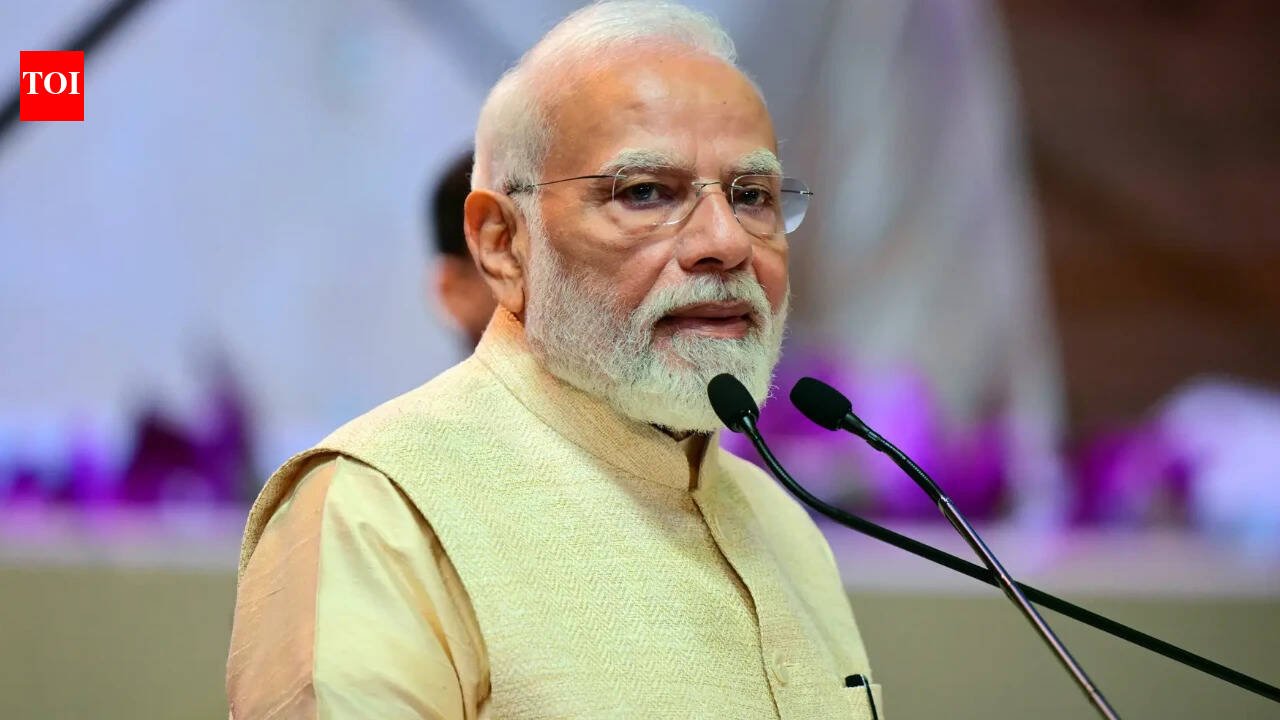
Updated on: Oct 1, 2026, 13:55:07 IST By Prawesh Lama Prefer HTon Google Share via Copy link Prime Minister Narendra Modi on Thursday hailed Indian pilot Smit Machchhar for averting a “9/11-type tragedy” by foiling an alleged attempt by his co-pilot to crash a flydubai flight from Dubai to Tel Aviv.
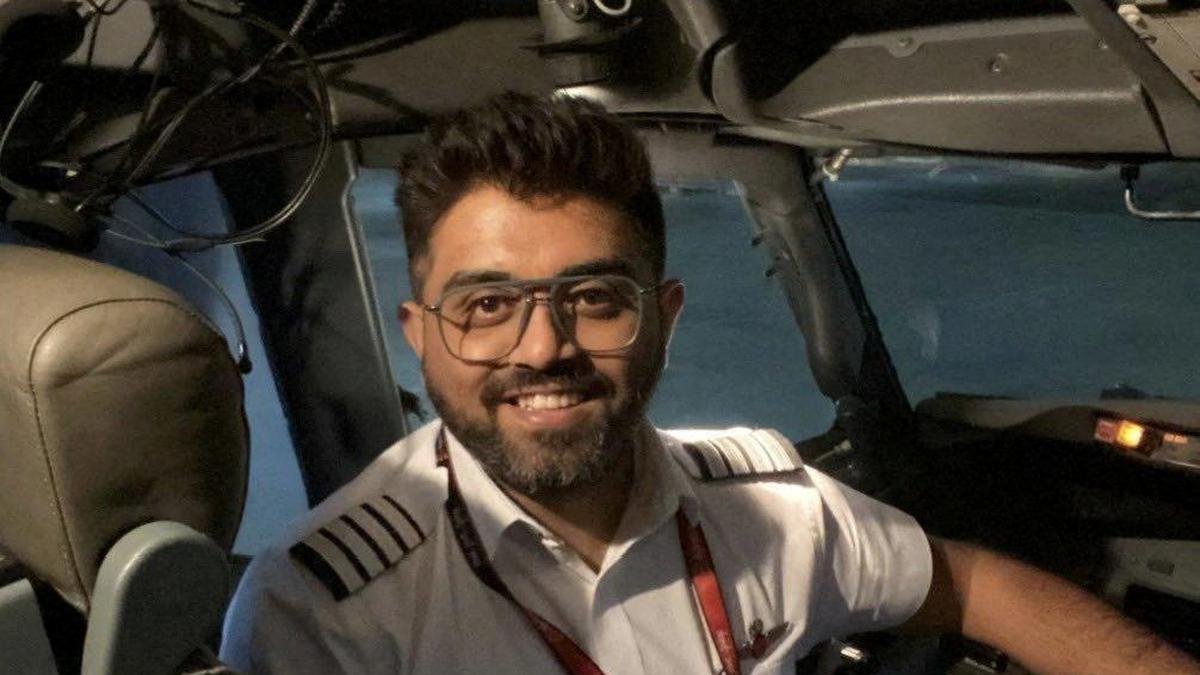
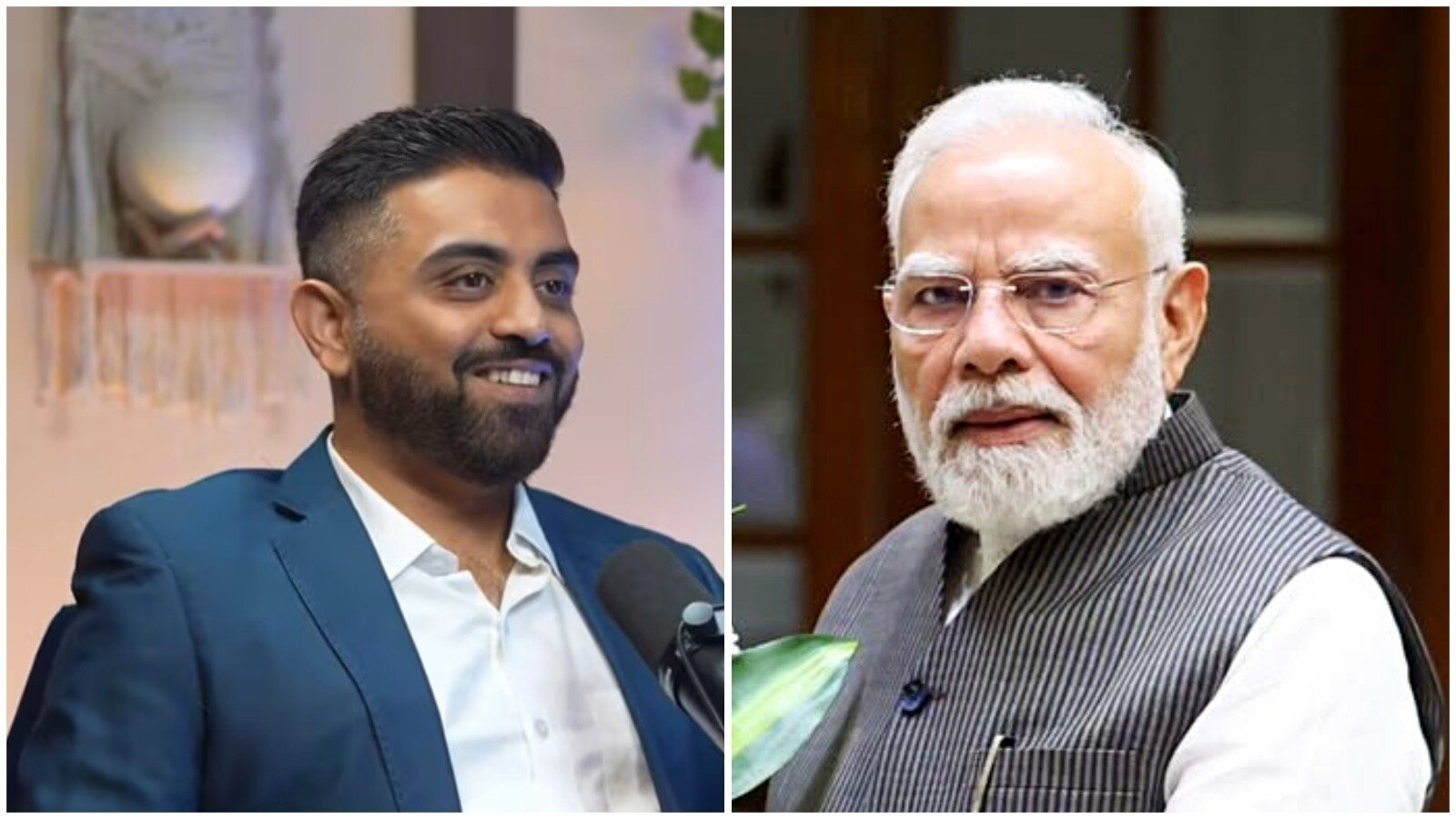
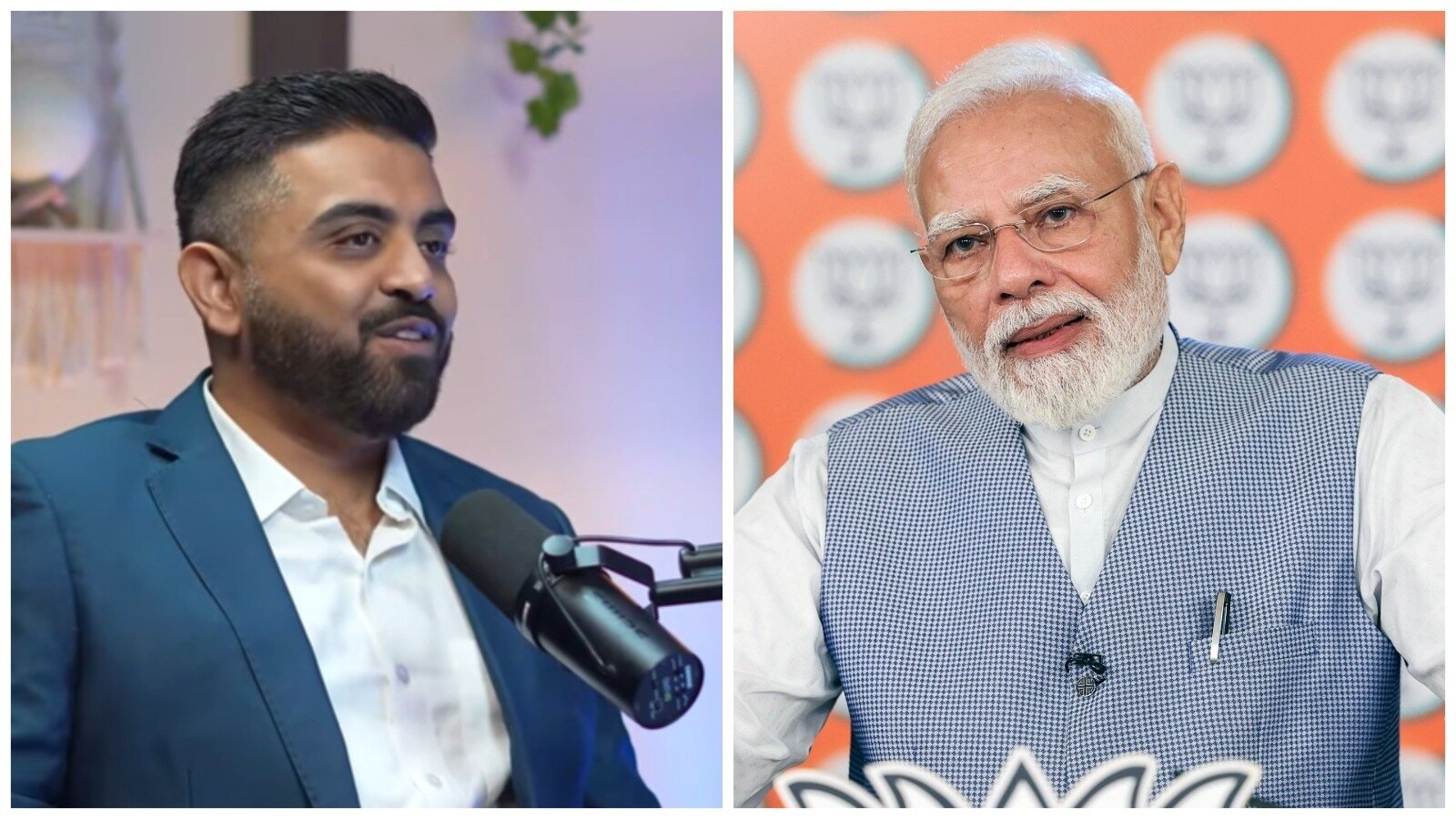
Indian captain Smit Machchhar and Prime Minister Narendra Modi.
“The incident that occurred yesterday, Captain Smit of India demonstrated remarkable patience, presence of mind, and courage.
Indeed, as the Prime Minister of Israel stated today, an Indian prevented a 9/11-type tragedy,” he said, referring to the US terror strikes that saw hijacked planes crash into the World Trade Center and the Pentagon on September 11, 2001, killing nearly 3,000 people.
“The bravery of flydubai's Captain Smit Machchhar fills our hearts with pride,” Modi added.
Also Read | 30 seconds of terror, 14,300 feet plunge, 'blood everywhere': Indian pilot fights off co-pilot on flydubai flight He made the remarks at a function marking the centenary of the Union Public Service Commission (UPSC), hours after he spoke to Machchhar’s wife and his parents and applauded his bravery.
“Today, I also spoke to his father, Bhupendra Bhai, his mother, Geeta Behen, and his wife, Sonal Behen.
He is currently undergoing treatment.
The entire world is proud of him today.
I appeal to all citizens to pray for Smit's long life and good health, and to honour Smit, who has made India proud,” Modi said.
On Wednesday, the co-pilot allegedly stabbed the captain onboard the Boeing 737 MAX 8, triggering a battle in the cockpit and plunging the aircraft 14,300 feet in roughly 30 seconds over northern Saudi Arabia.
The identity of the co-pilot – an Omani national – is yet to be ascertained.
Also Read | ‘Captain Smit Machchhar is a hero’: Internet joins PMs Modi, Netanyahu to praise Indian pilot after flydubai cockpit attack Earlier, Israel Prime Minister Benjamin Netanyahu hailed Machchhar for his “extraordinary bravery”.
"An amazing act of heroism -- of his, of the Indian pilot, of the people who helped them.
They stopped a disaster that could have been global," he said, as he also praised an Israeli passenger who helped overpower the attacker.
The Indian embassy said Machchhar was being treated at a hospital in Saudi Arabia.
According to people aware of the details, Machchhar is from Ghatkopar East in Mumbai and was based in Dubai for work.
He underwent surgery and is stable, authorities said.
Also Read | PM Modi speaks to Captain Smit Machchhar's family after flydubai attack Machchhar joined flydubai’s 737 fleet as a direct-entry captain in June 2022 after 11 years with SpiceJet in Mumbai, where he rose to senior commander and, from November 2020, trained and checked other pilots, according to his LinkedIn profile.
The profile lists 9,750 flying hours and a business administration degree from the Welingkar Institute of Management.
His brother is a pilot with Akasa Air, the people said.
Flight data from Flightradar24 and ADS-B Exchange, analysed by HT, show the plane took off from Dubai at 7.05am local time and cruised west over Saudi Arabia at 34,000 feet.
At 8.21am Saudi time (10.51am IST), a little over two hours into the flight and about 235km north-east of Tabuk, it began to descend.
Between two readings 37 seconds apart it fell from 33,225 feet to 18,925 feet, about 23,000 feet a minute.
At a typical 2,000 feet a minute, an airliner would take seven minutes to lose that height.
Also Read | Flydubai pilot fight: The emergency codes, locked cockpit doors and hijackings that shaped flight safety rules over the years Photographs of the aircraft at Tabuk appear to show the rudder torn from its tail.
That kind of damage can occur when control surfaces are moved too hard at high speed, and it would fit a dive as violent as the one the flight data record.
HT could not independently verify the authenticity of the photographs.
The plane bottomed out at 16,600 feet as its ground speed peaked at 598 knots (1,107km/h), then climbed more than 5,000 feet, fell again to 13,675 feet by 8.27am and levelled off at about 15,000 feet.
Receivers lost its position for nine minutes.
When the track resumed at 8.31am, the transponder showed 7700, the general emergency code, and at 8.35am it switched to 7500, the hijack code.
It was not clear who set the codes.
The plane flew northwest into Jordan, turned back and was over Saudi territory by 8.45am.
Deep Dive Powered ByAsk HT Modi on holding sanctity of exams During his address at the centenary celebrations, PM Modi also spoke about the sanctity of examinations and told officials about the importance of holding them without any delay or cancellations.
"Don't look at examinations like an event.
A delay of even a few days becomes a hassle and a setback for those who have prepared for it – be it in the form of coaching fees or transportation.
Time certainty should be adopted.
Like the annual conference of Chief Secretaries and the Director Generals of police, the UPSC also holds a conference with state commissions.
State commissions should consult and adopt the best practices.
The commission should find ways to reduce the examination cycle.
It will not be just an administrative reform but an equity one too,” he said.
His remarks came against the backdrop of a series of paper leaks in key examinations that sparked nationwide protests in the country this year.
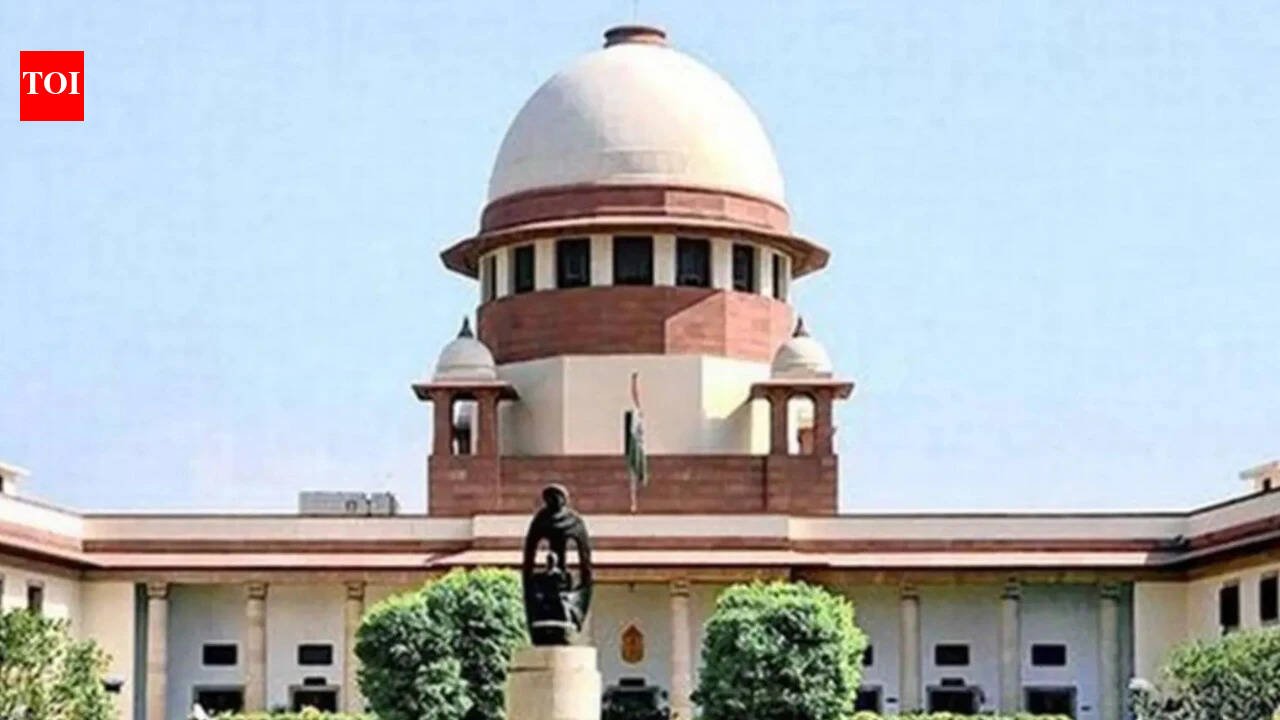
The Prime Minister also released a UPSC Centenary Commemorative Coin, a Commemorative Stamp and a Book titled ‘100 Landmark Judgements- Shaping the Policies of UPSC and Public Service Commissions in India’.
Modi said that although governments, technology and the syllabus for the exam have changed over the last 100 years, trust in the UPSC has not wavered and has only grown stronger over time.
He urged the UPSC and state commissions to ensure they select candidates who prioritise the nation and citizens above everyone else.
"Hundred years of UPSC is a proud milestone.
For a century, it has played an important role in administration and serving people.
We should always remember two priorities: nation first and second is citizen first.
We must bring such youth into Public Services who are attracted not by public office, but by public service.
Therefore, it is essential that the recruitment examination... does not just test what the candidate knows but also sees why the youth want to come into civil services,” he said.
The Prime Minister spoke about the importance of Viksit Bharat and how the current generation of bureaucrats will have a key role in delivering governance for citizens in the run-up to 2047.
"The first quarter of the 21st century is already over.
As we march towards a Viksit Bharat in 2047, the governance needed for Viksit Bharat will come through the UPSC and other state commissions.
Bharat in 2047 will be different.
The difference between cities and villages will be reduced.
Our aspirations will be different.
The question won't be about service delivery but how quickly we can deliver it to the people.
In this age of AI, when thousands of pages can be analysed in a short time, people want solutions faster, almost instantly.
We have to ensure that our recruitment parameters focus on this,” he said.