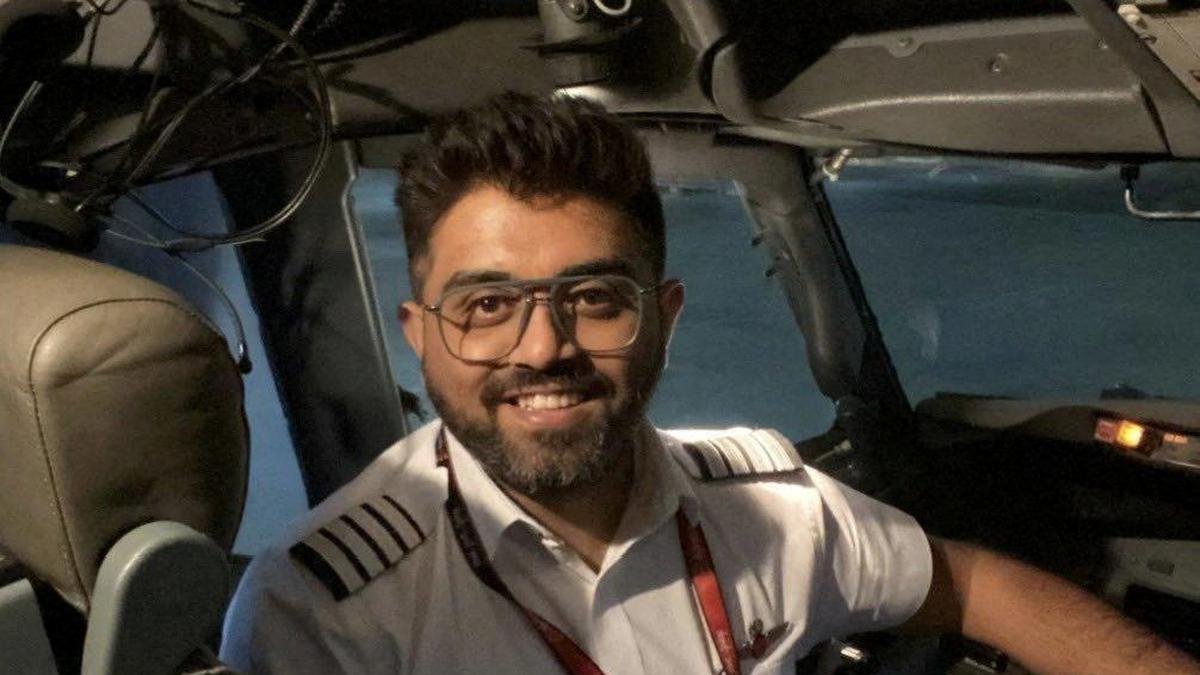
President Droupadi Murmu and Prime Minister Narendra Modi on Thursday (October 1, 2026) hailed Captain Smit Machchhar, a flydubai pilot, for his role in averting a disaster involving a Dubai-Tel Aviv flight on Wednesday (September 30, 2026).
An Indian national, Captain Machchhar was stabbed by his co-pilot in an alleged attempt to crash the plane but managed to activate the release to open the cockpit door, allowing passengers to enter and overpower the co-pilot.
Two flydubai pilots who were passengers on the aircraft helped the aircraft make a safe landing in Tabuk, Saudi Arabia.
Stabbing on Dubai-Tel Aviv flydubai flight: What happened and what we know so far Mr.
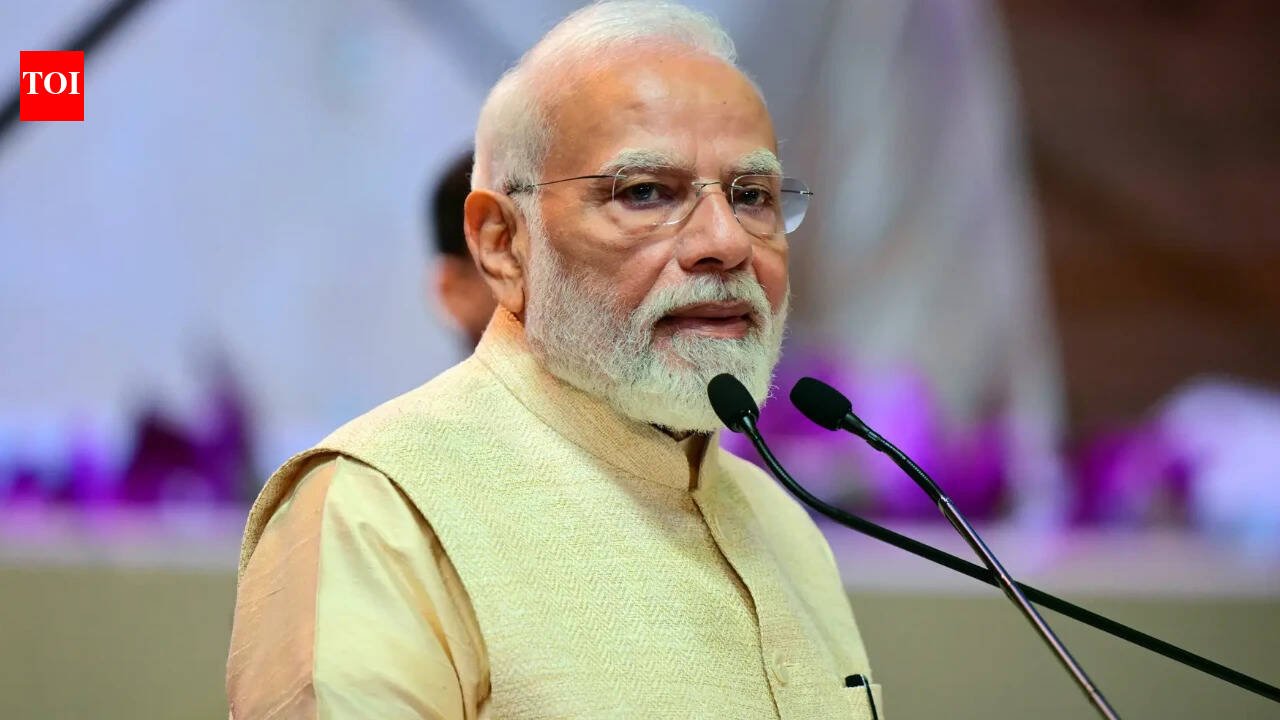
Modi said that Captain Machchhar had shown the world the highest form of courage.
Without fearing for his own life, Captain Machchhar fought valiantly and prevented another 9/11-like attack from happening, he said.
Mr.
Modi said that 140 crore Indians saluted Captain Machchhar, who is now recovering at a hospital, and were praying for his well-being.
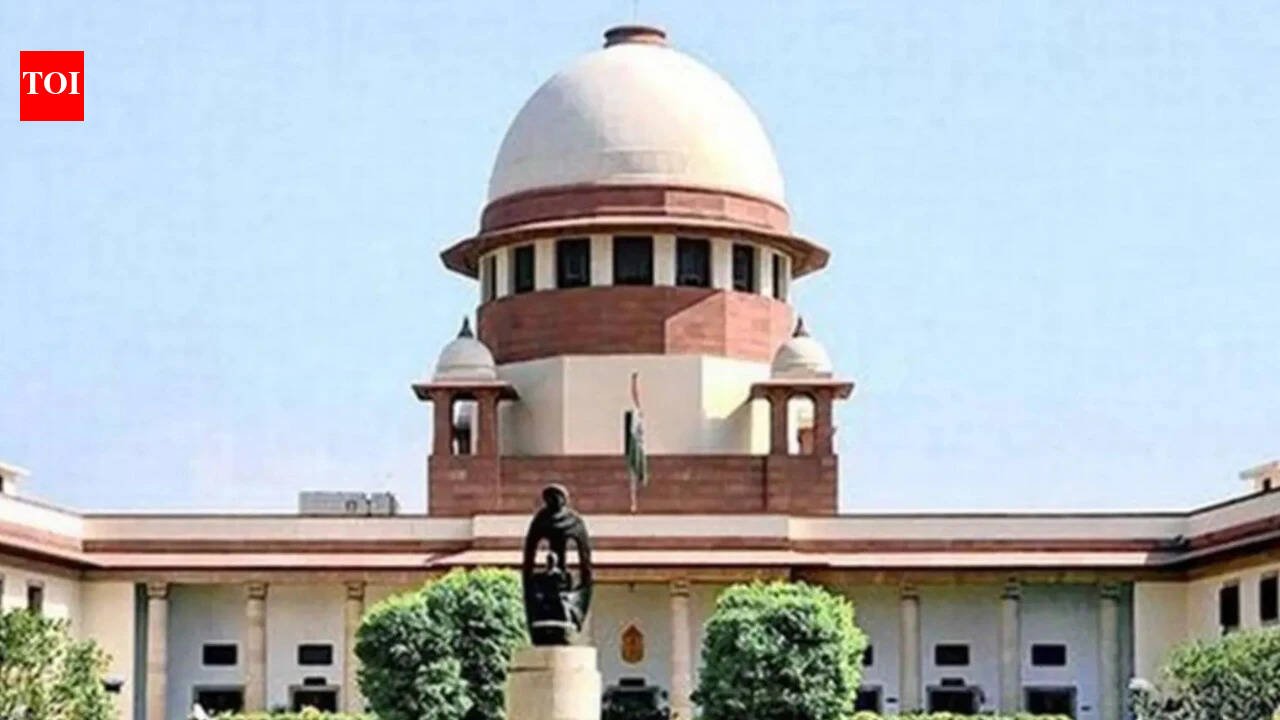
He made the remarks while addressing the centenary celebrations of the Union Public Service Commission (UPSC).
President Droupadi Murmu also lauded Captain Machchhar’s bravery.
“The nation is proud of Captain Smit Machchhar.
His heroic courage and incredible presence of mind have deeply touched us all.
Even after being seriously injured in a moment of grave peril, he remained determined to protect the lives of others.
His bravery and quick response helped prevent a major tragedy and saved many precious lives.
I salute his indomitable spirit.
I pray for his speedy recovery and good health,” the President posted on X.
Also Read: Must bring youth into public services who are not attracted to public office: PM Modi at UPSC centenary celebrations ‘Prioritise problem-solving skills’ While addressing the UPSC event, Mr.
Modi cautioned that future civil servants would have to navigate entirely new battlegrounds such as information warfare, deepfakes, algorithmic bias, and climate justice.
He instructed recruitment agencies to adapt to these global shifts by prioritising candidates’ foresight and complex problem-solving abilities.
“In such a scenario, in the selection process, we will also have to give priority to testing complex problem-solving and foresight,” he said.
Highlighting the urgency of administrative overhauls, the Prime Minister insisted that examination agencies must rapidly align with the nation’s broader reform momentum by adopting the principle of ‘Time Certainty’ to shorten exam cycles without lowering standards.
He emphasised that prolonged examinations inflicted severe financial burdens, such as coaching fees, rent, and transport, on families, transforming cycle reduction into a fundamental fairness issue.
“This will also be an equity reform,” he added.
Related Stories Trump says flydubai pilot 'a hero', plumber steadied plunging aircraft Inside the Dubai airline flight that made emergency landing after captain was stabbed Israeli PM hails Indian pilot wounded in diverted flydubai flight Projecting a vastly different socio-economic landscape of 2047, the Prime Minister explained that an increasingly urbanised nation with narrowing rural-urban divides would dramatically elevate the expectations of the youth.
He stressed that traditional service delivery models must evolve to match the speed of an instant-delivery world where citizens demand rapid, real-time solutions powered by AI.
“This changing mindset demands new changes from our Civil Services as well,” he observed.
Urging a fundamental shift in recruitment philosophy, the Prime Minister stressed that selection parameters must evaluate not just academic knowledge but also the underlying motivation to ensure candidates are drawn to public service rather than mere public office.