The air we breathe is largely invisible, which may be why air pollution often feels like an abstract problem. Yet for millions of people around the world, polluted air is an unavoidable part of daily life, affecting everything from morning commutes to long-term health.
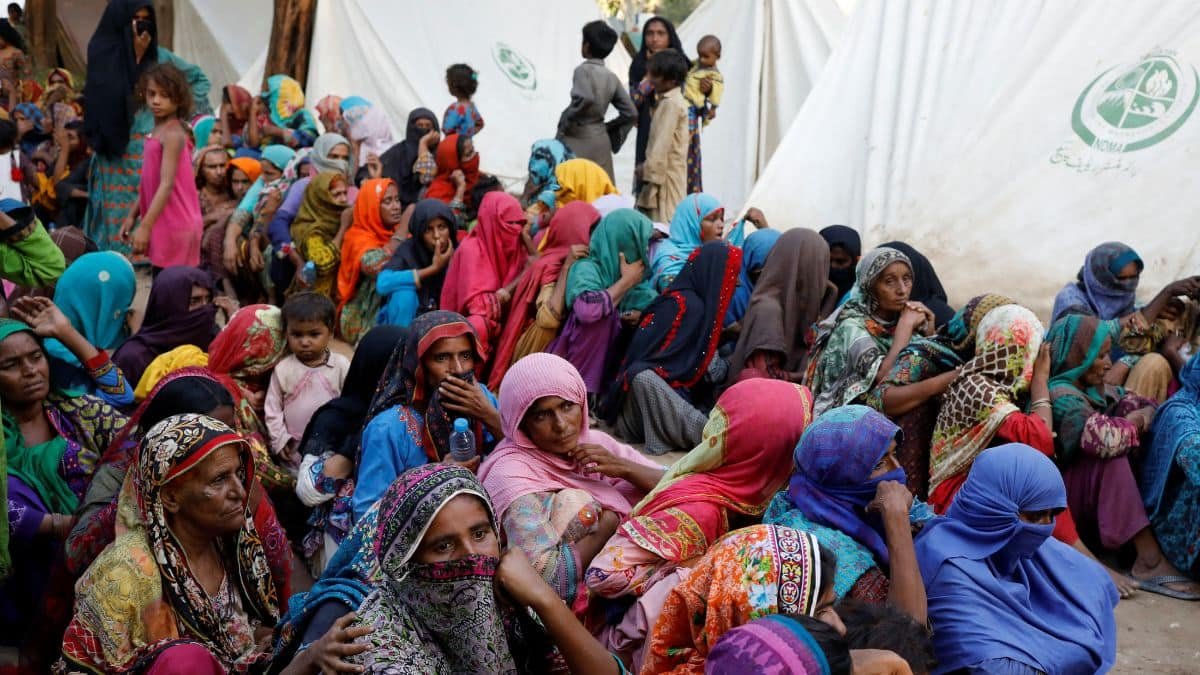
According to IQAir’s 2025 World Air Quality Report, Pakistan recorded the highest annual average concentration of PM2.5 pollution among the countries included in the study. The country registered an average concentration of 67.3 micrograms per cubic metre (µg/m³), more than 13 times higher than the World Health Organization’s recommended annual guideline of 5 µg/m³.
The ranking places Pakistan ahead of neighbouring Bangladesh, while countries including Tajikistan, Chad and the Democratic Republic of the Congo also recorded particularly high levels of pollution. India ranked sixth in the report, underscoring the extent to which poor air quality continues to affect much of South Asia.
Why PM2.5 is such a concern
The report measures PM2.5, a form of particulate matter that is 2.5 micrometres or smaller in diameter. These particles are so tiny that they can penetrate deep into the lungs and enter the bloodstream, where they have been linked to a range of serious health conditions.
Research has associated long-term exposure to PM2.5 with respiratory illnesses, cardiovascular disease, stroke and premature death. Because of these risks, PM2.5 concentrations have become one of the most widely used indicators of air quality worldwide.
Quick Reads
Leopard, tiger and cheetah seen together in India’s Ranthambore. Why it isn’t as rare as believed
Tring, Tring! Gen Z is ditching their smartphone for landlines. Here’s why
For many residents of heavily polluted cities, exposure is not limited to occasional smog events. It is a year-round reality that can shape daily routines and have lasting health consequences.
The factors driving pollution
Air pollution is rarely caused by a single source. Instead, it is often the result of multiple factors combining over time.
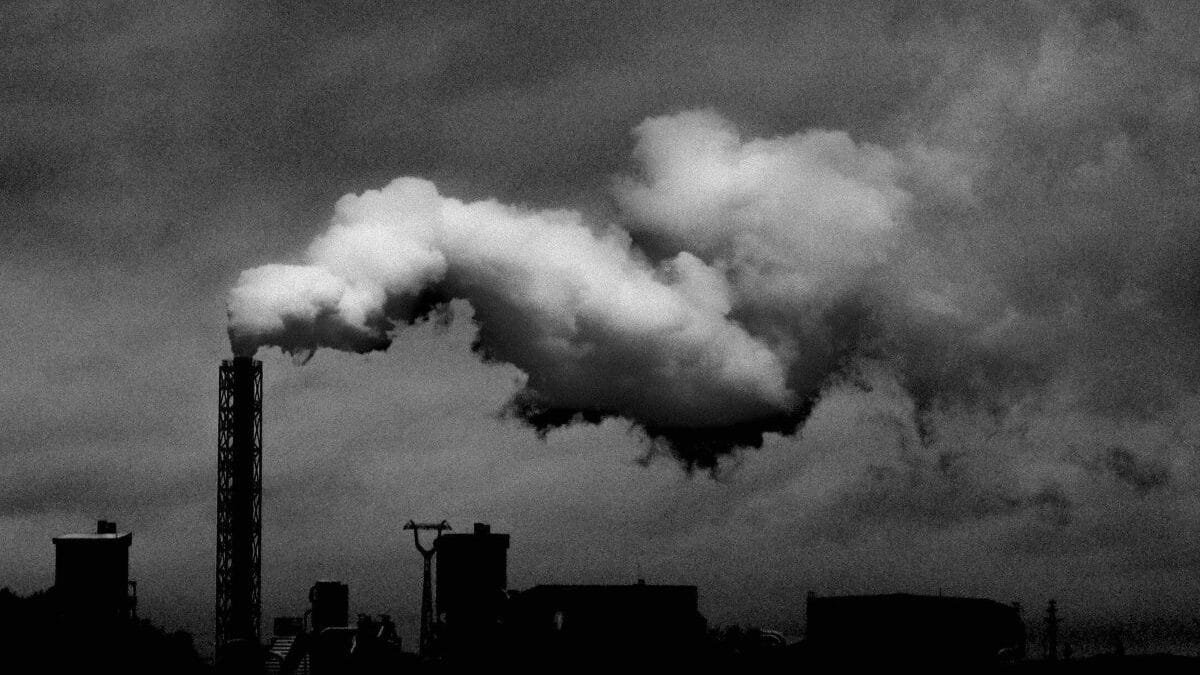
Vehicle emissions, industrial activity, coal-fired power generation, construction dust and agricultural burning all contribute to deteriorating air quality. In some regions, the use of biomass fuels for cooking and heating remains a significant source of indoor and outdoor pollution.
Weather conditions can make matters worse. During colder months, temperature inversions can trap pollutants close to the ground, leading to the dense smog episodes that frequently make headlines. Cities such as Lahore have become emblematic of this problem, with winter pollution levels often reaching hazardous levels.
A challenge that extends beyond national borders
Although Pakistan topped the rankings, the report’s broader findings paint an equally concerning picture. IQAir found that around 91 per cent of countries and territories assessed failed to meet the World Health Organization’s annual PM2.5 guideline.
The findings highlight how widespread the issue has become. Air pollution is not confined to a handful of industrial hubs or rapidly growing cities; it is a global challenge that affects countries across different income levels and geographic regions.
For travellers, poor air quality is increasingly becoming a practical consideration alongside weather, cost and accessibility. High pollution levels can reduce visibility, disrupt outdoor activities and pose additional risks for those with asthma, allergies or cardiovascular conditions.
As urban populations continue to grow and industrial activity expands, the question of clean air is becoming harder to ignore. The latest IQAir report serves as a reminder that while pollution may be invisible, its effects are anything but.