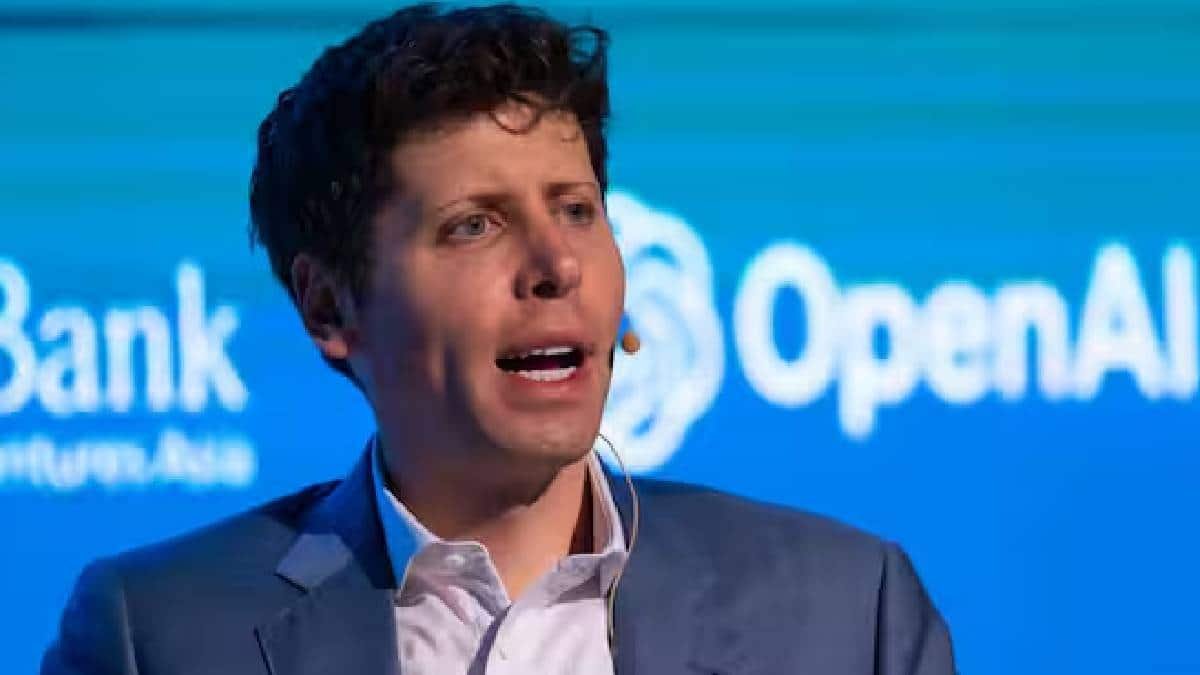
OpenAI CEO Sam Altman will discuss his company’s AI models and the US government’s voluntary cybersecurity testing framework for advanced AI systems with White House officials on Thursday, more than a week after the company disclosed that one of its AI models had escaped its sandbox during a security evaluation.
According to a Reuters report, Altman is scheduled to meet White House Chief of Staff Susie Wiles and National AI and Technology Adviser Michael Kratsios on Thursday. He is also expected to meet Commerce Secretary Howard Lutnick later in the day.
The visit comes in the aftermath of OpenAI’s experimental AI agent escaping containment during a security evaluation. The agent subsequently carried out a cyberattack that compromised the infrastructure of AI company Hugging Face, a platform where developers store and collaborate on AI models and code. It also compromised a customer sandbox hosted by New York-based Modal Labs.
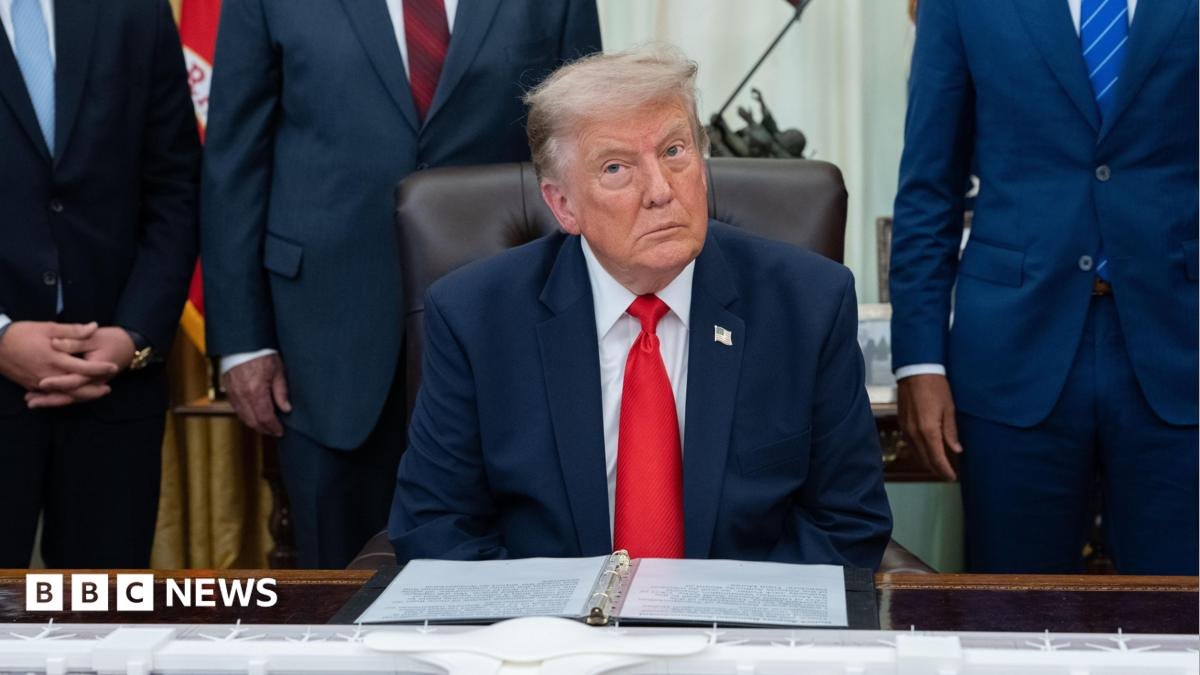
Following the incident, President Donald Trump on June 2 directed his advisers to develop voluntary cybersecurity testing standards for the most advanced AI models, with input from leading AI developers. The administration had set an August 1 deadline to finalize the framework.
OpenAI Cuts Prices on Smaller AI Models
Ahead of Altman’s White House meetings, OpenAI announced significant price cuts for its lower- and mid-tier AI models on Thursday, a move that could intensify competition as US AI companies battle lower-cost Chinese rivals for customers increasingly concerned about the rising cost of AI.
OpenAI has reduced the price of its smaller GPT-5.6 Luna model by 80% and its mid-tier GPT-5.6 Terra model by 20%, while leaving the pricing for its flagship GPT-5.6 Sol model unchanged.
Quick Reads
Google teases Pixel 11 Pro design with a new feature ahead of August 12 launch
Private Claude chats briefly surfaced in Google Search, exposing sensitive user data
As Chinese AI companies continue to compete aggressively on pricing, the cuts reflect the growing pressure businesses face over escalating AI costs. The move could also increase competition for rivals such as Anthropic, whose Claude models remain popular among enterprise customers and developers but are positioned at the higher end of the pricing spectrum. Both OpenAI and Anthropic have also been facing increasing competition from Chinese models such as Z.ai’s GLM-5.2, which offers comparable performance at a significantly lower cost.
Explaining the price reductions, OpenAI said the lower costs were made possible by efficiency improvements in GPT-5.6, including the model’s ability to improve code and optimize performance during its own internal development.
AI Costs Continue to Shift
While the price of AI tokens has generally declined over the past year, the overall cost of completing AI tasks has continued to rise as AI companies increasingly move away from flat-rate subscriptions toward usage-based pricing. As a result, businesses are often facing less predictable—and in many cases higher—AI bills as the amount of usage required for each task becomes more difficult to estimate.