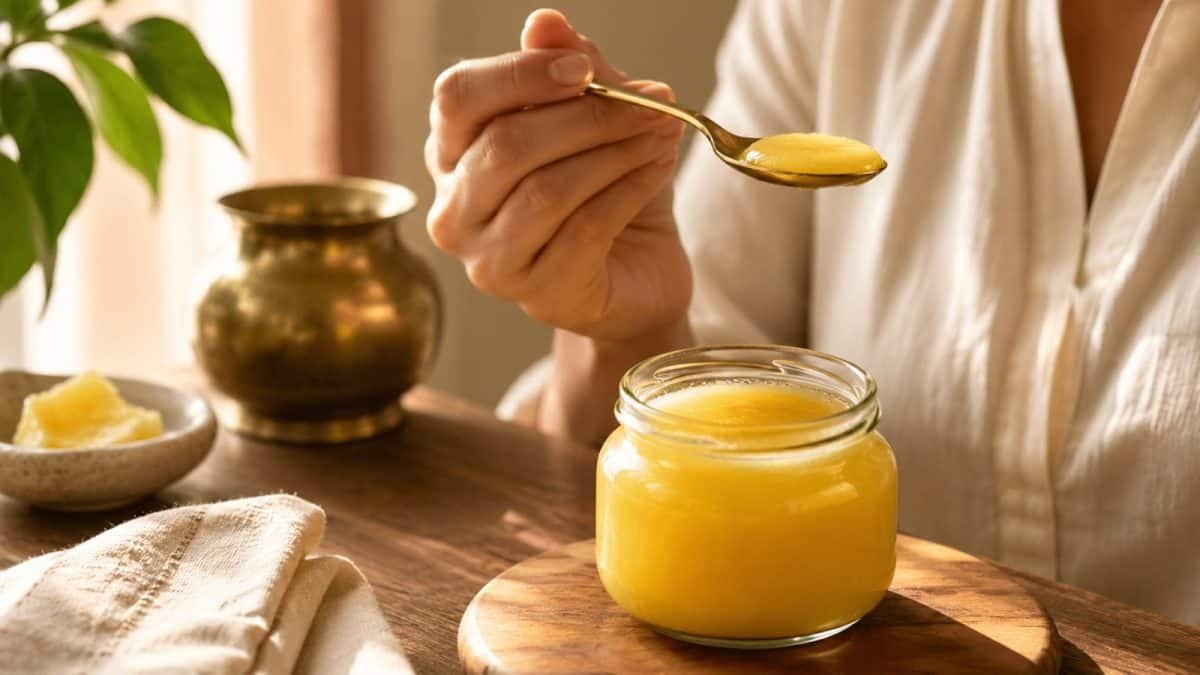
Every few months, social media rediscovers an ancient practice and repackages it as a universal wellness hack. The latest to go viral is Snehapana, loosely described online as drinking ghee on an empty stomach. Videos promise rapid weight loss, a “liver detox”, and glowing skin. But one crucial question is often overlooked: is a therapeutic Ayurvedic procedure being mistaken for a simple morning routine? The answer, according to experts, is yes.
Snehapana is not just ‘drinking ghee’
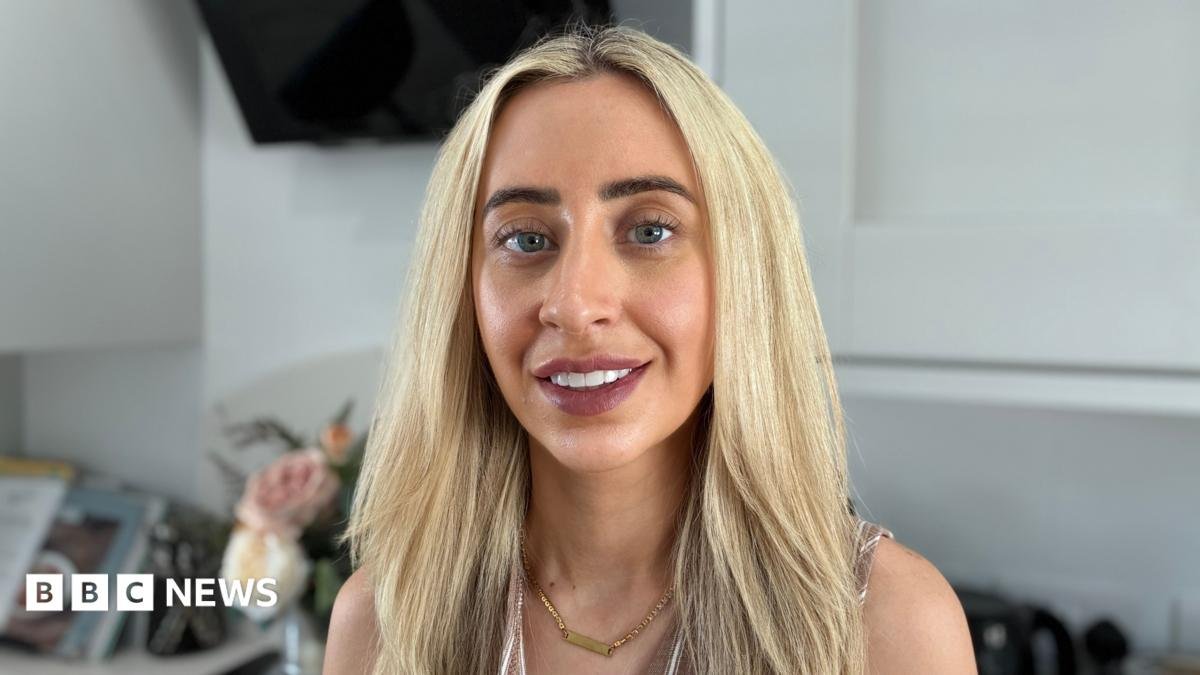
“Snehapana is not ‘drinking ghee’ alone,” explains Dt. Charu Dua, Clinical Nutritionist, Amrita Hospital, Faridabad.
“In classical Ayurveda, medicated ghee is administered in measured quantities under the supervision of a physician as a preparatory step for Panchakarma.”
She adds that the process is highly individualised. “The dose is increased gradually only after assessing a patient’s digestion, body composition, medical history and treatment goals. Taking this practice out of a clinical setting is like turning a hospital procedure into a social media challenge.”
Nutrition is about context, not just ingredients
As a clinical nutritionist, Dua emphasises that foods cannot be judged in isolation. “You cannot judge a food by its ingredients alone. You also have to consider who is eating it, how much, and why.”
Ghee, she notes, is nutritionally valuable when used appropriately. “It is a nutrient-rich fat that can aid the absorption of nutrients from vegetables and meals when consumed as part of a balanced diet. It contains short-chain fatty acids such as butyrate, and fat-soluble vitamins like A, E and K.”
Quick Reads
Sarnath added to Unesco’s World Heritage List: How are sites chosen for this honour?
US pub are adding 20% tips to their bills. The FIFA World Cup 2026 is why
However, she cautions against exaggerated claims. “These benefits should not be confused with claims that consuming large quantities of ghee on an empty stomach can accelerate metabolism or purify the body. The existing scientific literature does not support these assertions.”
The ‘detox’ myth
The popularity of the trend is partly driven by the appeal of detox culture. But Dua is clear in her assessment. “Detox is a powerful marketing term, but detoxification does not begin with a tablespoon of fat.”
She explains that the body already has its own systems in place. “Your liver, kidneys, lungs and intestines are constantly working to eliminate metabolic waste. Only in cases of illness do these organs require external medical intervention.”
Instead, she recommends a more evidence-based approach. “They need consistent support through adequate protein, fibre, hydration, regular exercise and restful sleep.”
Gut health is not built on fat alone
Another common claim is that consuming ghee directly improves gut health because of its butyrate content. Dua challenges this idea. “Most of the beneficial short-chain fatty acids in the human gut are actually produced through the fermentation of dietary fibre by gut bacteria, not by consuming large amounts of fat.”
She stresses the fundamentals. “The cornerstones of a healthy digestive system remain fruits, vegetables, whole grains, legumes and fermented foods.”
Who should avoid the trend?
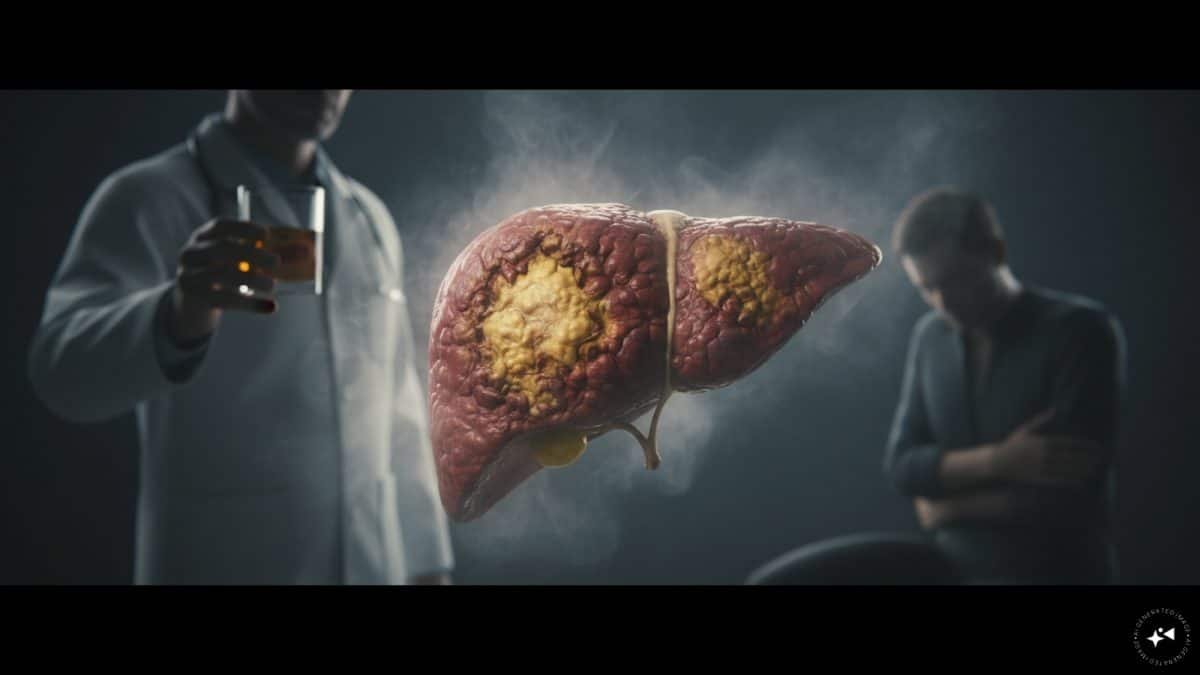
Dua warns that consuming concentrated fat first thing in the morning may not suit everyone. “People with gallstones, pancreatitis, fatty liver disease, obesity, uncontrolled diabetes, severe acid reflux or significantly elevated cholesterol may experience bloating, nausea, abdominal pain or worsening of symptoms.”
Her broader point is clear. “Nutrition is not one-size-fits-all. Trends that ignore individual medical conditions can do more harm than good.”
Moderation over megadoses
“For healthy individuals, ghee is not inherently harmful when consumed in moderation as part of a balanced diet,” she says. “But there is insufficient clinical evidence to support its use as a stand-alone therapeutic meal or ‘superfood’. Moderation has evidence. Megadoses do not.”
Understanding Ayurveda in the right context
Dua also highlights how traditional practices are often misunderstood. “The true meaning of Ayurveda is frequently lost in translation. It is a respected system of medicine that deserves serious consideration and further research.”
She points out the common ground with modern medicine. “Both systems emphasise individualised treatment. There is no one-size-fits-all approach to health.”
No shortcuts to good health
Drawing from her clinical experience, Dua sees a recurring pattern. “The problem arises when people imitate Ayurvedic protocols from social media without understanding their purpose, context or application.”
She concludes with a grounded reminder. “There are no shortcuts to good health. Good gut health is not built on a single ingredient or routine. It depends on balanced meals, minimal processed foods, regular exercise, consistent sleep, stress management and mindfulness.”
Her final advice is practical and clear. “If you enjoy ghee, include it in moderation with meals. Therapeutic practices like Snehapana should only be undertaken under the supervision of a qualified Ayurvedic doctor. And any existing medical conditions must always be disclosed to your doctor or nutritionist."