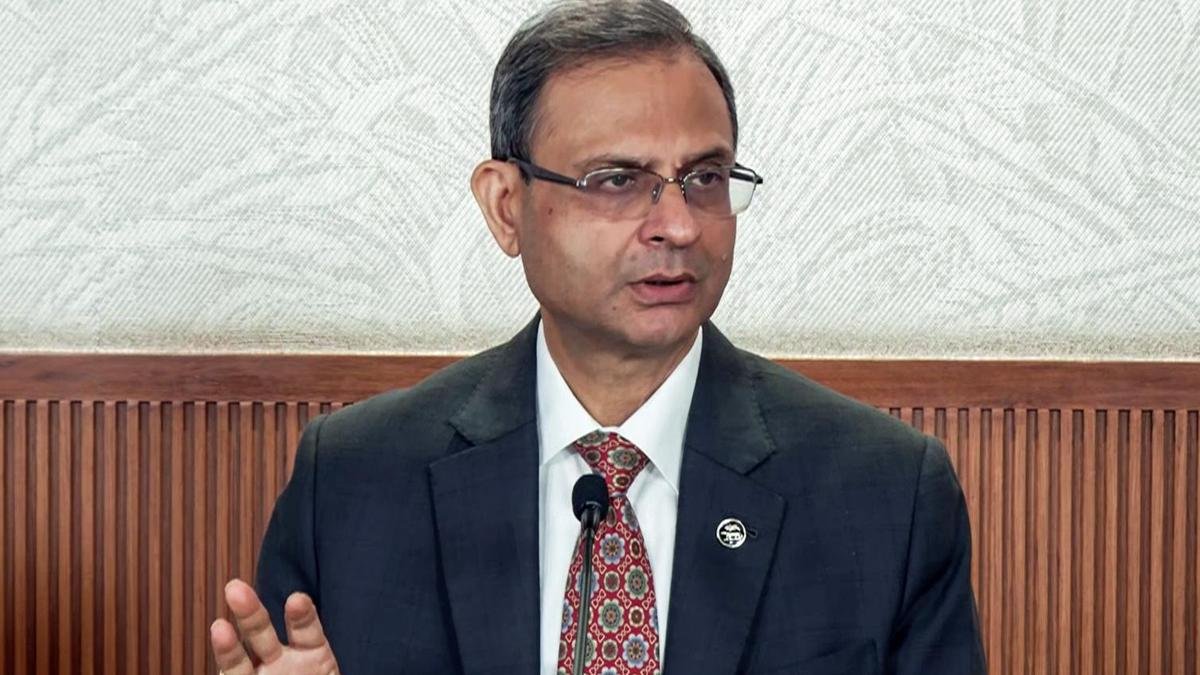
A failure to finalise a trade deal between India and the U.S. could have “some negative impact” on the Indian economy, but a string of recent trade agreements and diversification of exports could cushion the fallout from any additional U.S. tariffs, Reserve Bank of India (RBI) Governor Sanjay Malhotra said on Wednesday.
“We do not know, first of all, which sectors will be impacted and to what extent these tariffs are going to be applied.
So, it is premature.
But it will obviously have some negative impact,” Mr.
Malhotra said in response to a question from The Hindu.
However, India’s recent trade agreements, including those already operationalised and those in the pipeline, would help mitigate the impact, he said.
India-U.S. trade deal talks have plateaued; further demands, concessions will be very difficult: FinMin The governor also pointed to the diversification of India’s export markets and products as another buffer against a potential tariff shock.
“All these will mitigate the effect if, in case, there is an additional tariff on some of the sectors,” he said.
His comments come amid a prolonged deadlock in India-US trade negotiations.
Union Finance Minister Nirmala Sitharaman said earlier this week that offering any further concessions to the U.S. would be difficult and that the talks had reached a “plateau”, with Washington reportedly seeking additional concessions.
The negotiations have assumed greater significance following the passage by the U.S.
Congress in September of the Lindsey Graham Sanctioning Russia and Iran Act, which gives President Donald Trump powers to impose tariffs of up to 100% on countries, including India, over purchases of Russian and Iranian oil and gas.
Mr.
Trump has signed the legislation, but the additional tariffs have not been imposed, with the trade negotiations still underway.
How will the U.S.’s Sanctioning Act affect India? | Explained Repo hike unlikely to derail credit growth Mr.
Malhotra also said the RBI’s 25-basis-point repo rate increase was unlikely to have an immediate impact on bank credit growth, as monetary policy transmission typically takes several quarters.
The rate hike will eventually push up borrowing costs as banks transmit the higher policy rate to lending rates, but the impact on credit growth is expected to emerge with a lag.