Exosome therapy is an exciting area in regenerative dermatology and offers hope for treating early hair loss. Dr Gupta explains who it is meant for.
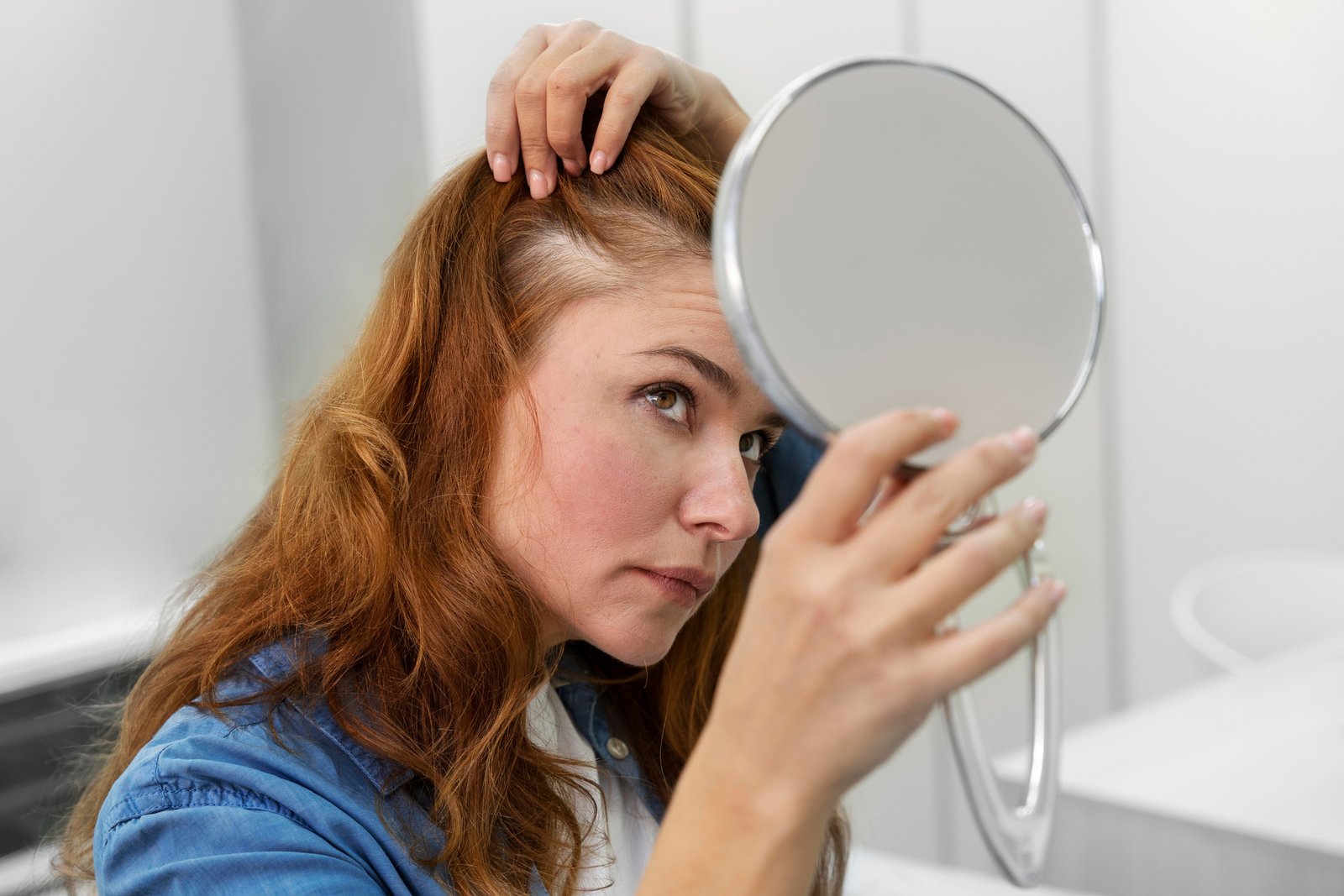
Factors such as chronic stress, hormonal changes, nutritional deficiencies, pollution and unhealthy lifestyle habits have made hair loss an increasingly common concern among young people. Even those in their 20s and 30s are now turning to dermatology clinics for help with thinning hair and premature hair loss.
Amid this growing demand, a new buzzword – exosome therapy – is gaining traction on social media. Touted as a breakthrough in regenerative medicine, exosomes are being promoted as the next step after PRP (platelet-rich plasma) and, in some cases, even alongside hair transplantation. But is it really the future of hair regrowth?
HT Lifestyle spoke to Dr Akriti Gupta – chief dermatologist and founder of Jivisha Clinics, in Gujrawalan Town and Yamuna Vihar, New Delhi – who highlgihts that exosomes represent an exciting area of regenerative dermatology, but patients should understand both their potential and their limitations.
She explains, “Exosome therapy is not a magic cure for baldness. It is a regenerative treatment designed to improve the scalp environment and support healthier hair follicles. The best outcomes are seen when the treatment is recommended for carefully selected patients and integrated into a comprehensive hair restoration plan.”
What are exosomes?
Exosomes are microscopic extracellular vesicles naturally released by cells. They act as biological messengers, carrying proteins, growth factors, lipids and genetic material that help cells communicate with one another.
Dr Gupta notes, “In hair restoration, laboratory-prepared exosomes are introduced into the scalp with the aim of encouraging repair, reducing inflammation and stimulating hair follicles that have become weak or inactive. Unlike hair transplantation, exosome therapy does not create new hair follicles. Instead, it aims to improve the function of existing follicles that are still alive but producing thinner, weaker strands.”
Who is exosome therapy meant for?
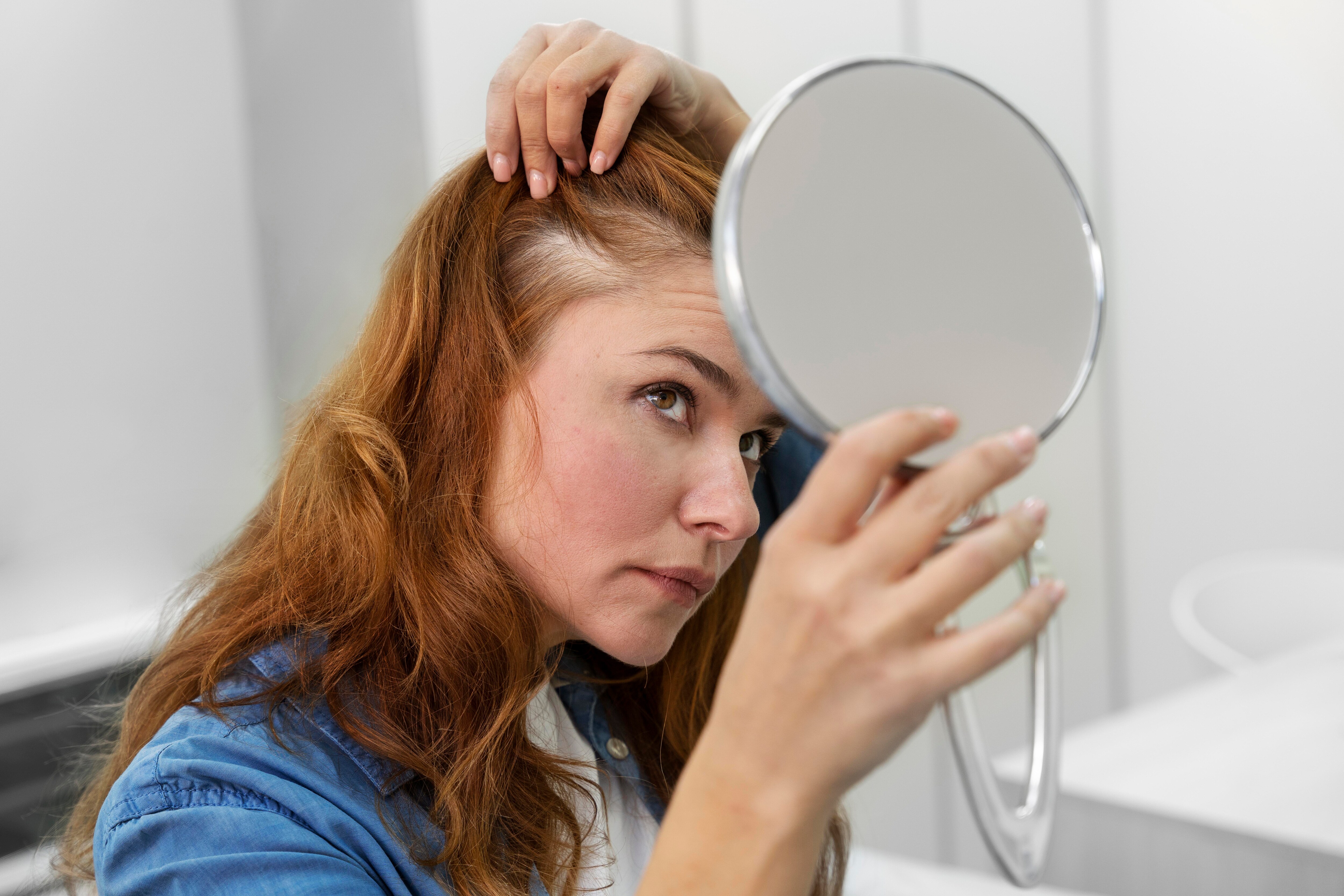
Exosome therapy is generally considered for people experiencing early-stage hair thinning, androgenetic alopecia (pattern hair loss) or diffuse hair shedding. It may also be used to complement other treatments such as medications, PRP or hair transplantation.
“Many patients seek treatment only after significant hair loss has already occurred. Once a follicle has completely disappeared, regenerative therapies cannot bring it back. Early intervention offers a much better opportunity to preserve and strengthen existing hair,” points out Dr Gupta.
This is why the dermatologist stresses the importance of diagnosing the underlying cause of hair loss before choosing any advanced procedure.
Can exosomes replace a hair transplant?
According to Dr Gupta, one of the biggest misconceptions surrounding exosomes is that they can eliminate the need for surgery. However, in reality, they serve a different purpose.
The dermatologist elaborates, “Hair transplantation remains the preferred option for individuals with advanced baldness where follicles have been permanently lost. Exosomes may, however, support the transplanted area by promoting a healthier healing environment and potentially improving the quality of surrounding native hair. They should be viewed as an adjunct rather than a replacement for surgical treatment.”
What does research say?
Research into exosome therapy is growing, and early findings are encouraging. Several studies suggest that exosomes may help improve hair density and thickness in selected patients. However, experts agree that larger clinical trials and long-term data are still needed before the treatment can be considered a standard first-line therapy.
Dr Gupta explains, “The science behind exosomes is promising, but we must separate evidence from marketing. Patients should be cautious of exaggerated claims and choose qualified dermatologists who can determine whether they are appropriate candidates. Hair restoration should always be personalised rather than driven by trends.”
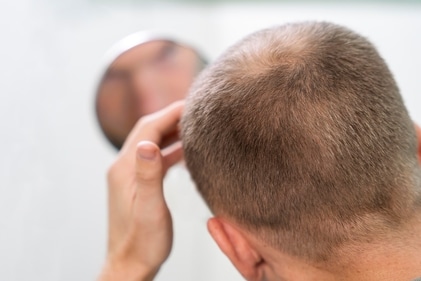
Take action early
Exosomes are opening new possibilities in regenerative hair care, offering hope for people dealing with early hair loss. However, they are not a miracle solution, nor do they replace established treatments. The future of hair restoration is likely to involve a combination of therapies tailored to each patient's scalp health, pattern of hair loss and long-term goals.
For anyone considering exosome therapy, the first and most important step remains a proper medical evaluation. Treating the root cause of hair loss and starting intervention early often makes a far greater difference than chasing the latest trend.
Dr Gupta concludes, “Exosomes represent an exciting advancement in regenerative dermatology, but they are not a shortcut to hair regrowth. The most successful outcomes come from identifying the underlying cause of hair loss, starting treatment early and choosing therapies that are backed by scientific evidence rather than social media trends. Hair restoration is rarely about one miracle treatment – it is about the right treatment, at the right time, for the right patient.”
Dr Akriti Gupta is a highly qualified dermatologist and cosmetologist with over a decade of clinical experience, primarily practicing at Jivisha Clinic in Yamuna Vihar, East Delhi. She specialises in anti-aging treatments, acne solutions, laser procedures, and advanced skincare therapies.