The price of oil surpassed $100 a barrel for the first time in almost six weeks after attacks on oil facilities and ships in West Asia threatened to debilitate an already weakened supply chain.
Editorial | Bogged down: On the U.S.-Iran conflict escalation
The most heavily traded contract for a barrel of Brent crude, the international standard, settled at $97.89 before jumping 2.4% to $100.29 early Wednesday (September 9, 2026). U.S. benchmark crude gained 1.9% to $94.77 a barrel.
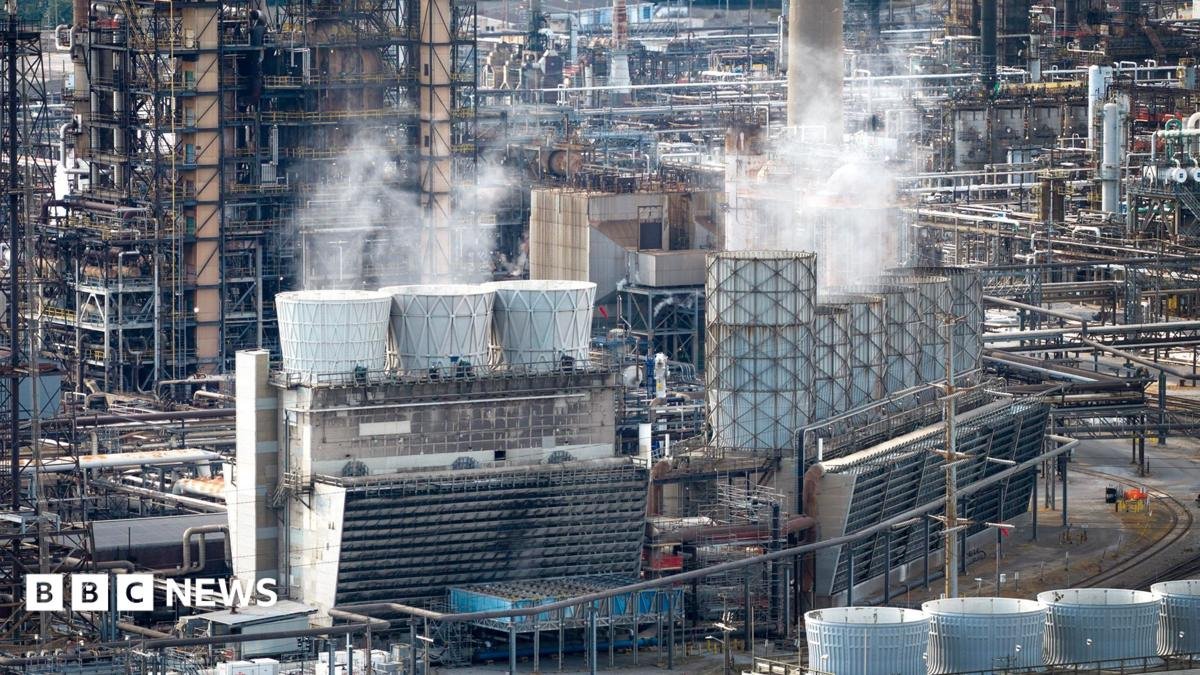
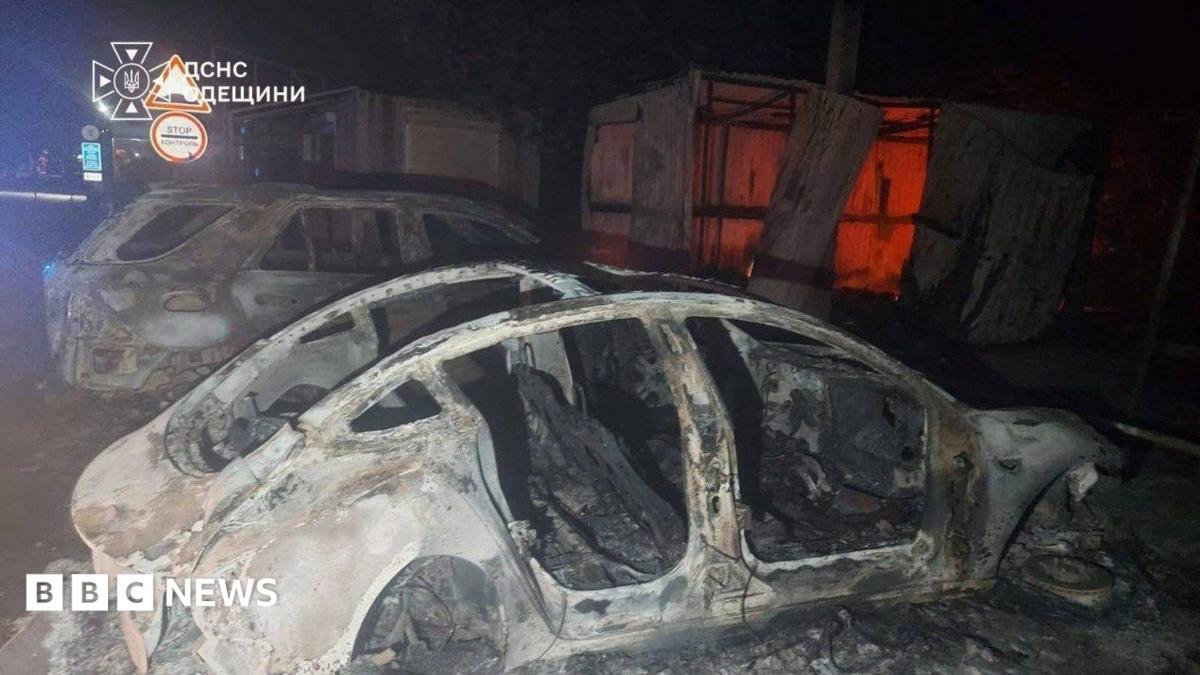
Markets reacted after the U.S. military reported striking five Iranian tankers in response to attempted missile attacks on a Navy warship and after attacks by an Iranian-backed Houthi rebel group ignited fires at oil facilities in Saudi Arabia.
Brent increased from about $70 to $100 a barrel for much of March, April and May. In July, prices swung between $72 and $102 again, reflecting rising and falling hopes that the U.S. and Iran would agree on a plan that would allow stranded tankers to move oil out of the Persian Gulf safely.
A gallon of regular gasoline averaged $4.15 in the U.S. on Tuesday (Septembre 8), up 26% from a year ago, according to motor club AAA. Diesel, at $5.90 a gallon, cost 59% more than the same day a year earlier.
U.S. energy assets in Gulf are vulnerable after latest clashes