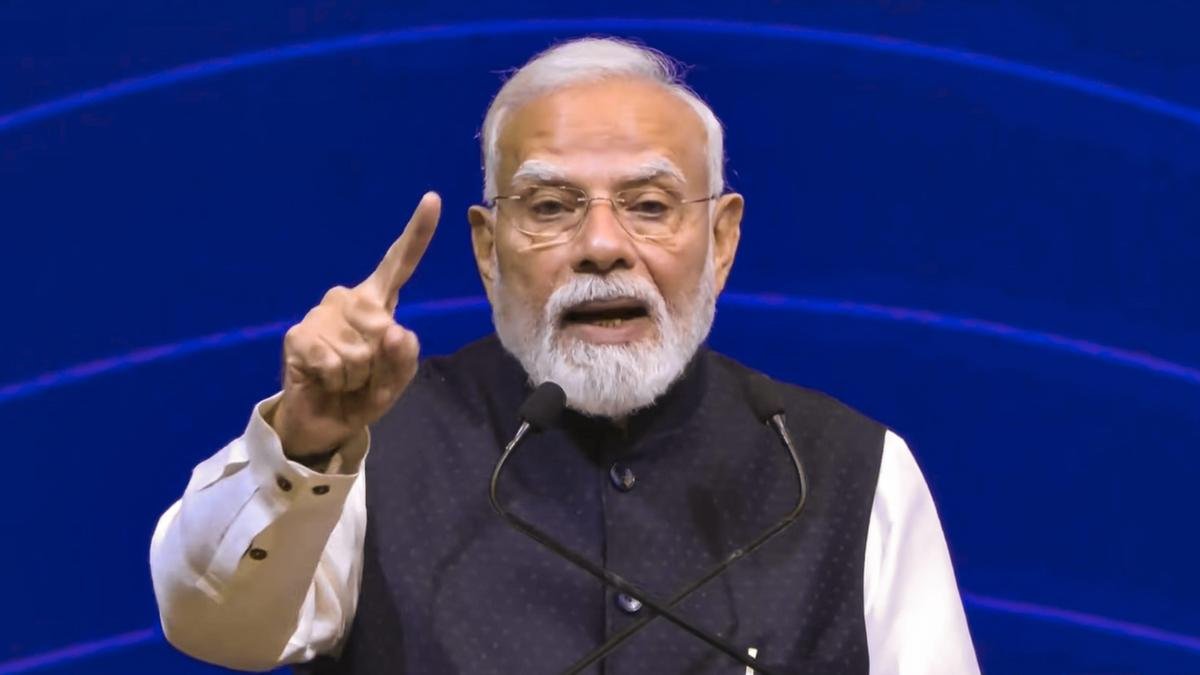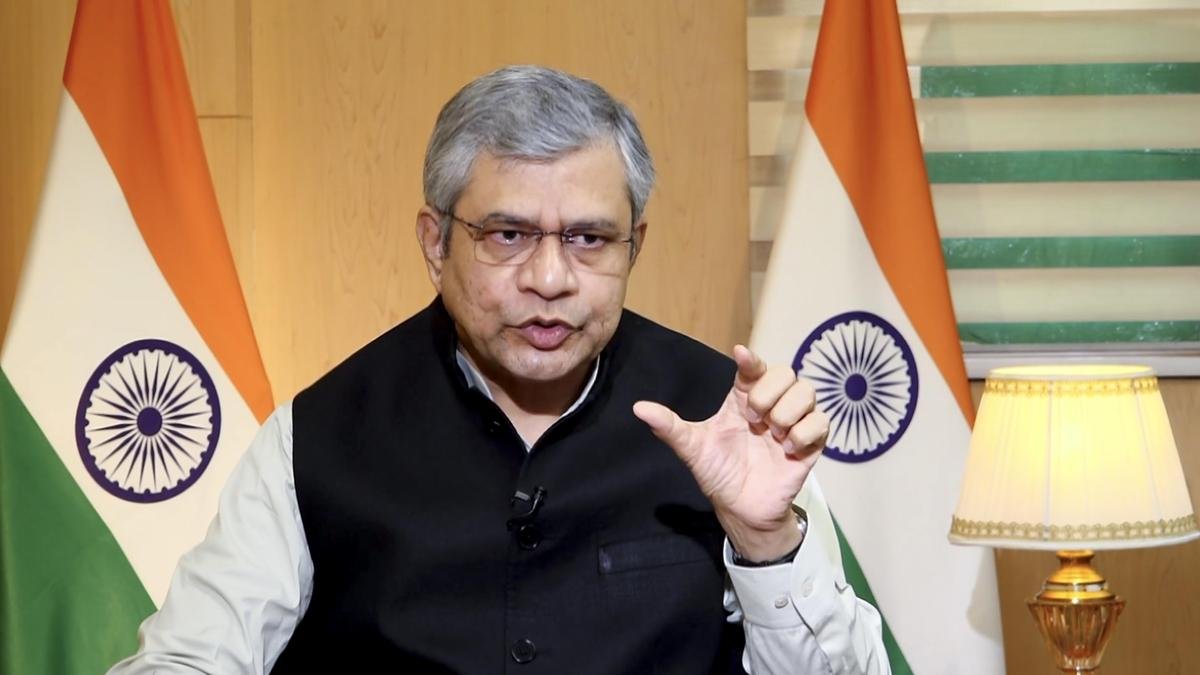
India's growing semiconductor heft could be seen as a "threat" by established interests in the global chip value chain, and the industry must guard against cyberattacks and other disruptions from those opposed to the country's rise, Minister for Electronics and IT, Ashwini Vaishnaw, has said.
In an interview to PTI, Mr.
Vaishnaw said he has cautioned the industry in clear terms to keep a constant vigil as India is now emerging as a country that has the capability to design and manufacture chips, a position that will "obviously" be seen as a threat by many other established interests.
Odisha government plans 870-Acre Silicon Valley hub in Cuttack’s Naraj for semiconductor, IT projects "We have to continuously be watchful of the potential geopolitical risks which will arise because India is now emerging as a country which can design and manufacture chips.
Obviously that will be seen as a threat by many other established players," he said.
As many countries look to India as a trusted partner and develop and manufacture their products here, the Minister said India cannot afford to take its position lightly and must stay vigilant.
"But we should not take it lightly.
We should be cognizant of the risks and challenges which will come from other players.
So I have very candidly told the entire industry that be prepared for cyber attacks, be prepared for any other kinds of threats and any other kinds of disruptions that might get created by the countries who don't like India to come up in the semiconductor value chain," he said.
India’s semiconductor push will create countless jobs: PM The Minister said that since his frank and candid discussion on the issue, the industry is now cognizant and "they would certainly take the right measures".
India is seeking to build a larger presence in the global semiconductor value chain, making the sector increasingly important to the country's technology and manufacturing ambitions.
The government has also sought to expand the ecosystem beyond chip assembly and testing to include design, equipment, materials and fabrication.
The Union Cabinet in July approved Semicon 2.0, with an outlay of ₹1,27,500 crore, to support chip design, semiconductor equipment and materials, fabs, advanced packaging, research and development and talent development.
The programme builds on the momentum of the first phase, under which 12 semiconductor manufacturing projects with investments of more than ₹1.64 lakh crore have been approved.
Five, including Micron, Kaynes and CG Semi, are already in commercial production.
India's chip push marks a bold attempt to move beyond packaging and build a broader domestic supply chain, while attracting global companies to manufacture and develop semiconductor technologies in India.
The government recently said it had received about Rs 1 lakh crore in investment commitments under the second phase of the semiconductor scheme.
Investor interest was in full focus at the just-concluded SEMICON India event — a mega showcase of the nation's chip-making heft — that saw a slew of big-ticket announcements, including Applied Materials' $5 billion India plan through 2035, Lam Research's proposed $10,000-crore investment, Tata Electronics' 363-acre vendor park at Dholera and Fujifilm's $800-crore semiconductor materials plant.