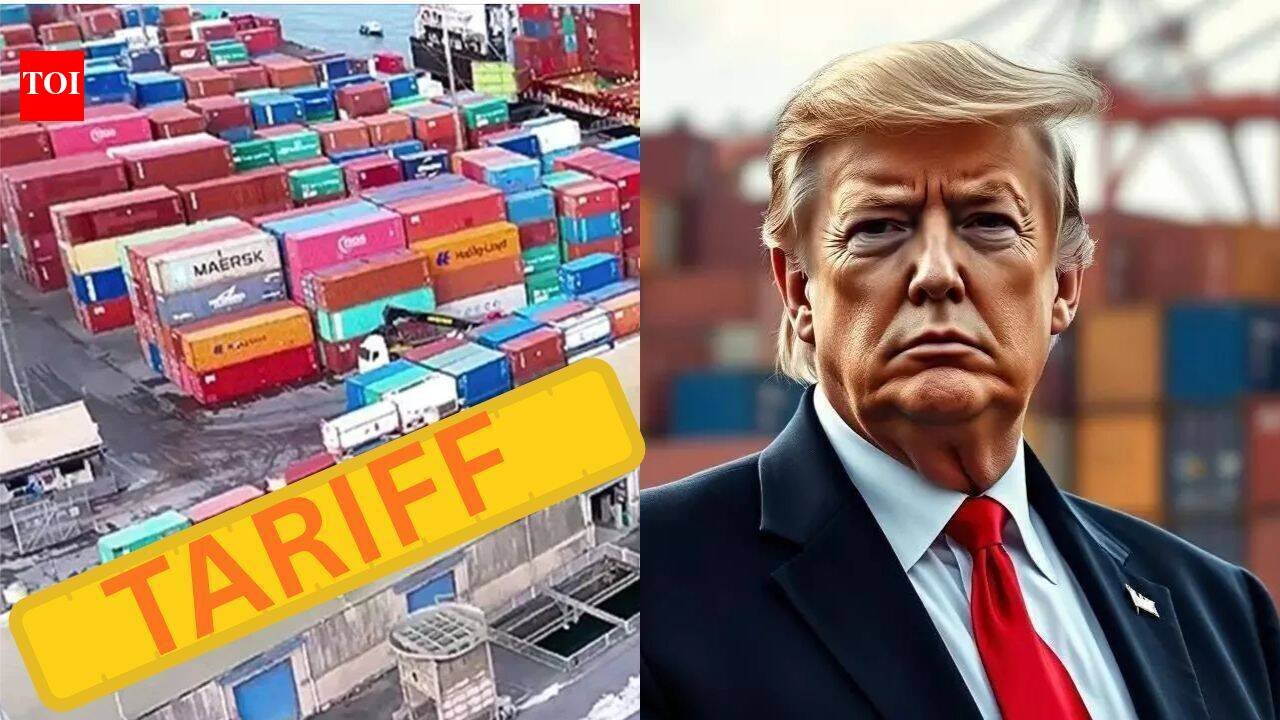
US tariffs on India: How rates have changed since Trump’s ‘Liberation Day’ to Section 301 probe The latest tariff rate comes against the backdrop of shifting geopolitical dynamics between India and the US which has resulted in a strain in trade ties.
Updated on: Nov 26, 2026, 13:09:17 IST ByDanita Yadavhindustantimes.com Share via Copy link The United States on Wednesday proposed a tariff of up to 25 percent on Indian goods.
While announcing the new tariff rates, the office of the US Trade Representative added that the tariff rate will be reduced to 17 per cent, on the condition that New Delhi strikes a trade deal with Washington.
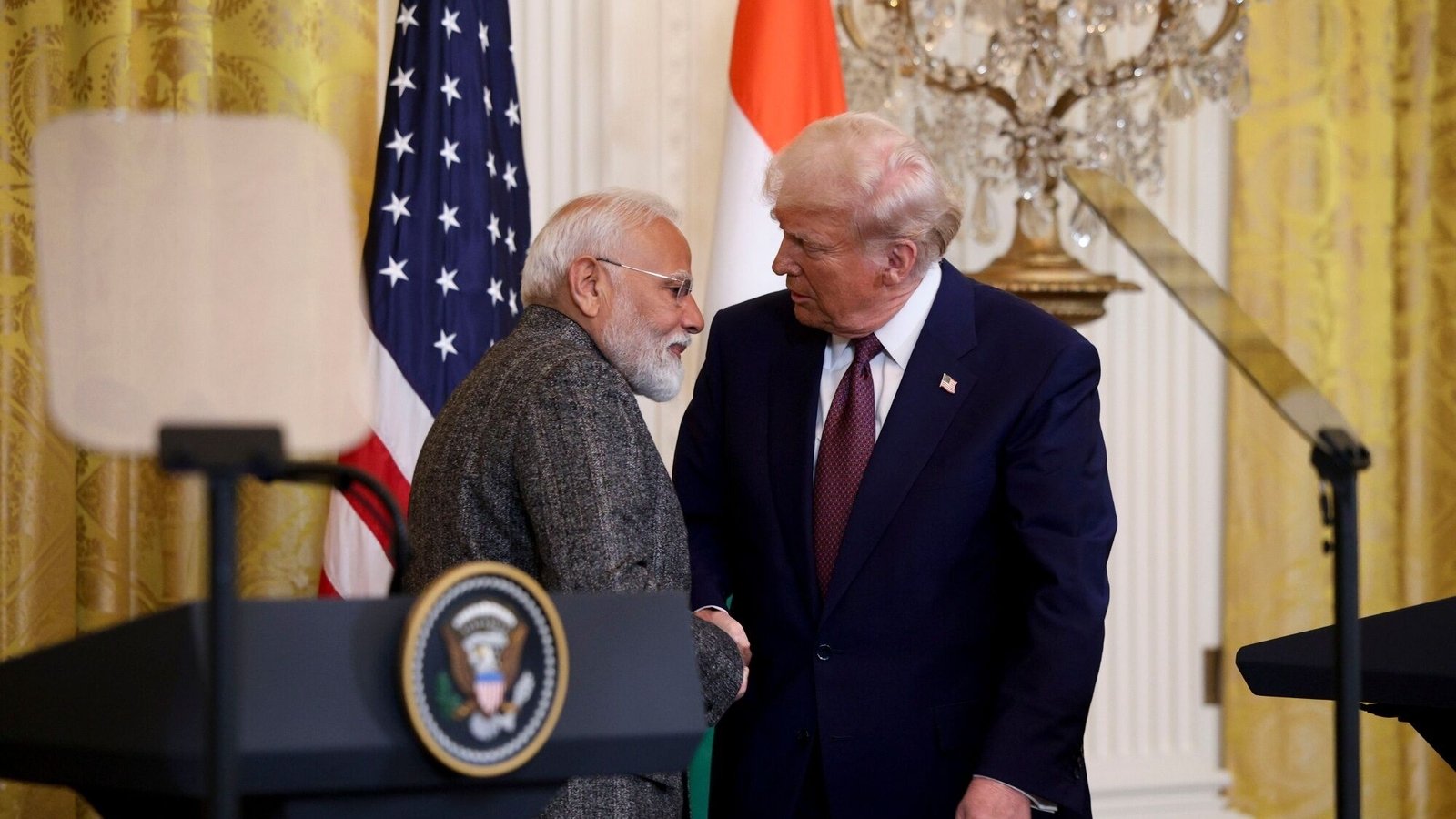
Under the Section 301 investigation into excess capacity, the US proposed 25 per cent tariff, which could reduce to 17 per cent if a trade deal is struck. (Bloomberg) The latest tariff number comes against the backdrop of shifting geopolitical dynamics, since April 2025, which has resulted in a strain in India and the US' trade ties.
Also Read | What the US tariff proposal means for Indian exports Deep Dive Powered ByAsk HT While the latest development puts the tariff against India between the range of 17 to 25 per cent, here's a look at all the numbers India has seen since April 2025.
A timeline of changing rates April 2025 On April 2, 2025, US president Donald Trump announced his 'Liberation Day' exercise, which resulted in the United States revising its tariff rates for all its trading partners.
For India, it was a 26 per cent tariff, which included a 10 per cent baseline tariff and 16 per cent reciprocal tariff.
Announcing the tariff against New Delhi, the Trump administration maintained that it was due to India being a "maharaja of tariffs." A few days later, Washington announced it would suspend the 16 per cent reciprocal tariff on Indian goods for 90 days, until July 9, 2025, but kept the 10 per cent baseline duty.
After the deadline expired, on July 31, 2025, the Trump administration announced a revised 25 per cent tariff rate on Indian goods, effective from August 7, 2025.
However, later in August, irked by India's participation in the BRICS summit and trade ties with Russia, Donald Trump announced an additional 25 per cent tariff on Indian goods, as a penalty for buying Russian crude oil and petroleum and "fueling Putin's war in Ukraine." With this, the total tariff against India went up to 50 per cent, along with fellow BRICS nation Brazil.
February 2026 On February 2, 2026, India and the US announced the framework for a bilateral trade deal.
According to the details released by the White House, the trade deal stated that the tariff against India will be reduced to 18 per cent, and the removal of the additional 25 per cent against New Delhi for the purchase of Russian oil.
Also Read | HT Decodes: India-US joint statement on trade deal Later in February, the US Supreme Court ruled that the International Emergency Economic Powers Act (IEEPA) does not give Trump the authority to unilaterally impose tariffs, invalidating the US president's "Liberation Day" and emergency-power tariffs.
After the top court's ruling, Trump imposed a fresh 10 per cent tariffs on imports from across the world for 150 days under Section 122 of the Trade Act of 1974.
After this tariff expired, in July, the Trump administration turned to Section 301 of the Trade Act of 1974 and imposed a 10 per cent tariff on India, citing concerns related to "forced labour." A few months later, in September President Trump signed the Sanctioning Russia and Iran Act, which was advocated by the late South Carolina senator Lindsey Graham, and gave the president the authority to impose tariffs of up to 100 per cent on countries buying Russian oil and gas, which included China and India.
In October, the US president waived these taxes citing the national interest of the United States.
17% or 25%?
Where the India-US tariff row stands now Under the Section 301 investigation into excess capacity, the US proposed 25 per cent tariff, which could reduce to 17 per cent if a trade deal is struck.
This new duty will not be added to the 10 per cent tariff Indian exporters have paid since the July investigation into allegations of forced labour.
Responding to the USTR notice, India said it was examining the notice, and reiterated that the country does not have structural excess capacity in any sector.
The new tariff rate comes as India and the US are yet to sign their trade deal.
Officials such union commerce and industry minister Piyush Goyal, US ambassador to India Sergio Gor and Secretary of State Marco Rubio have stated that the final one per cent is left for negotiations.