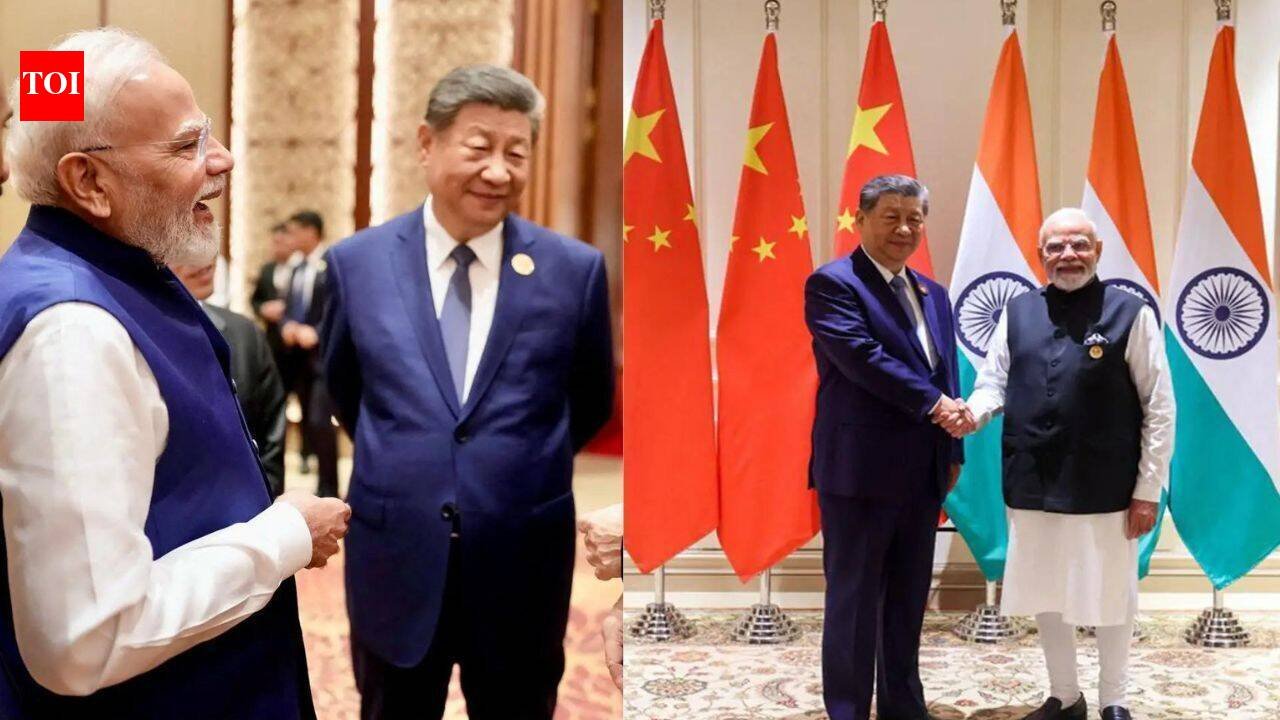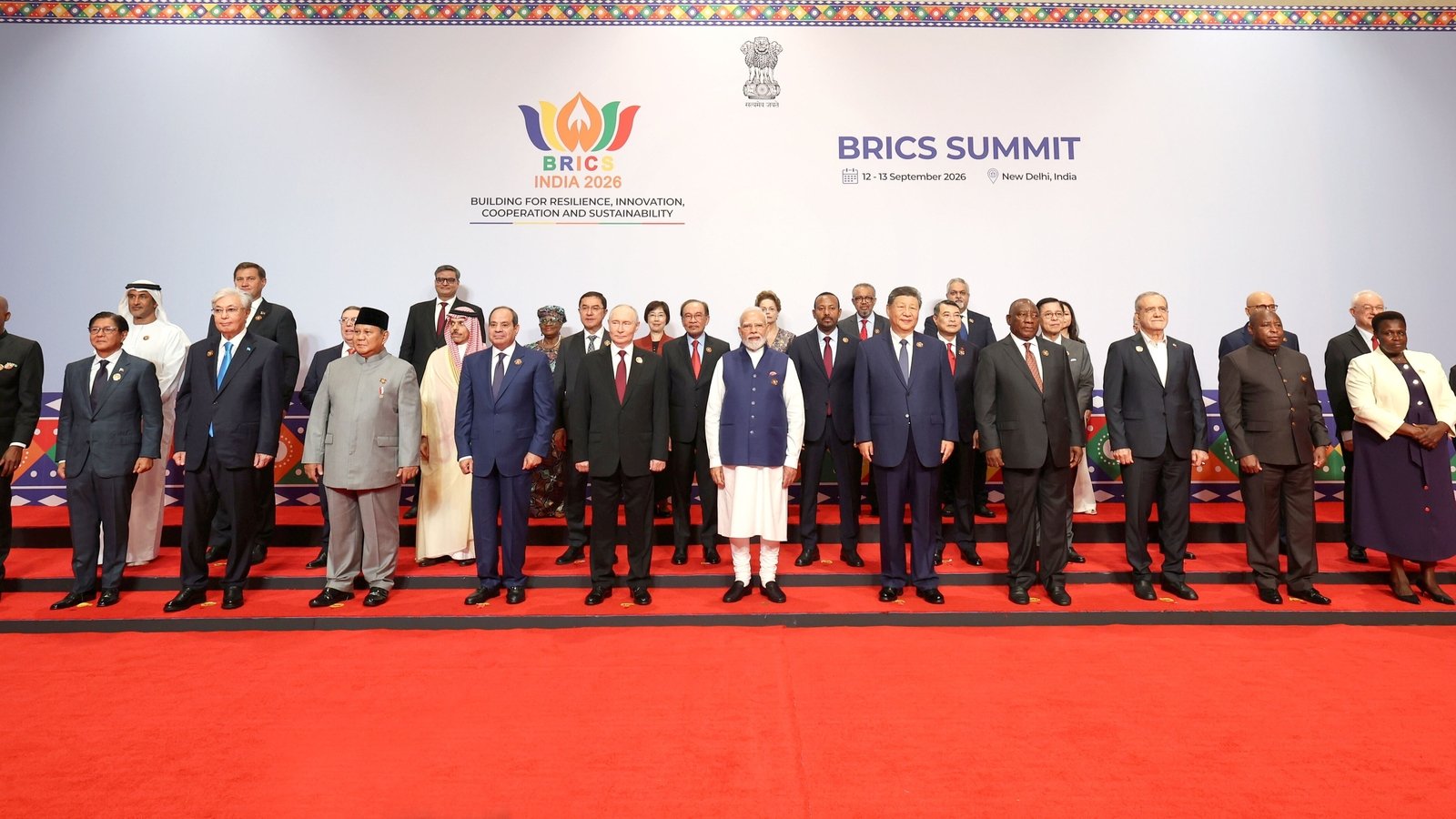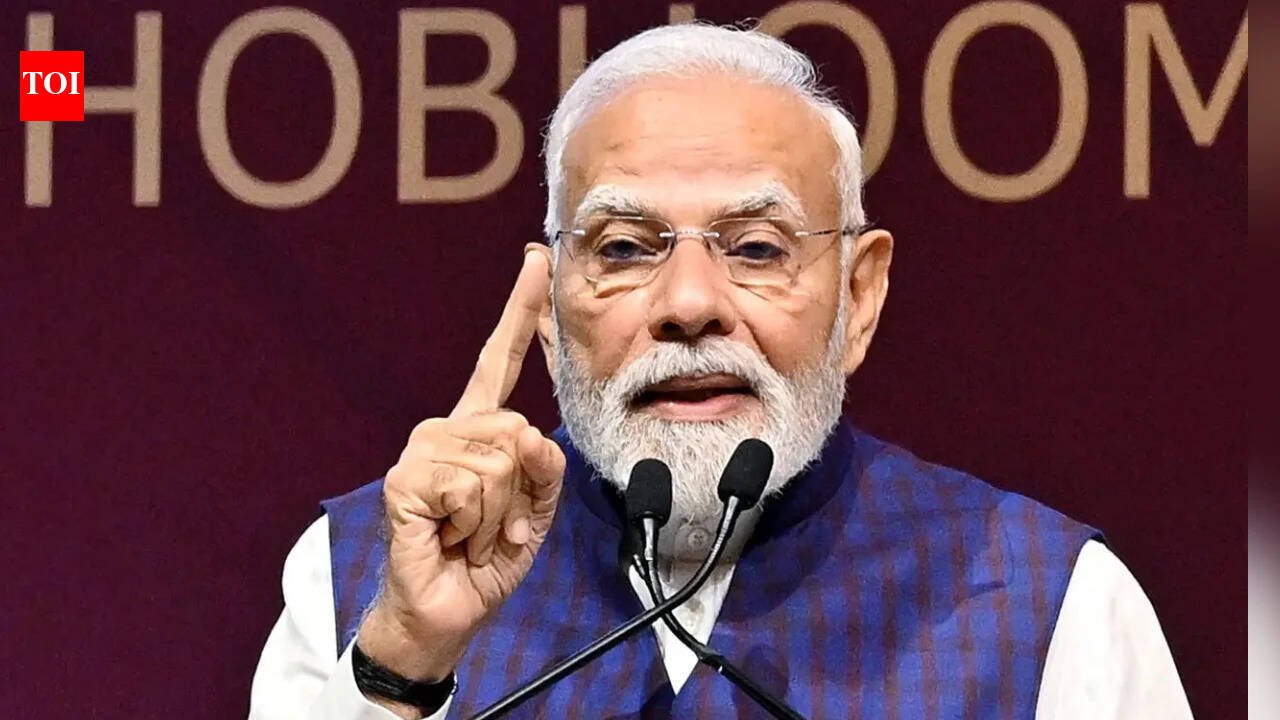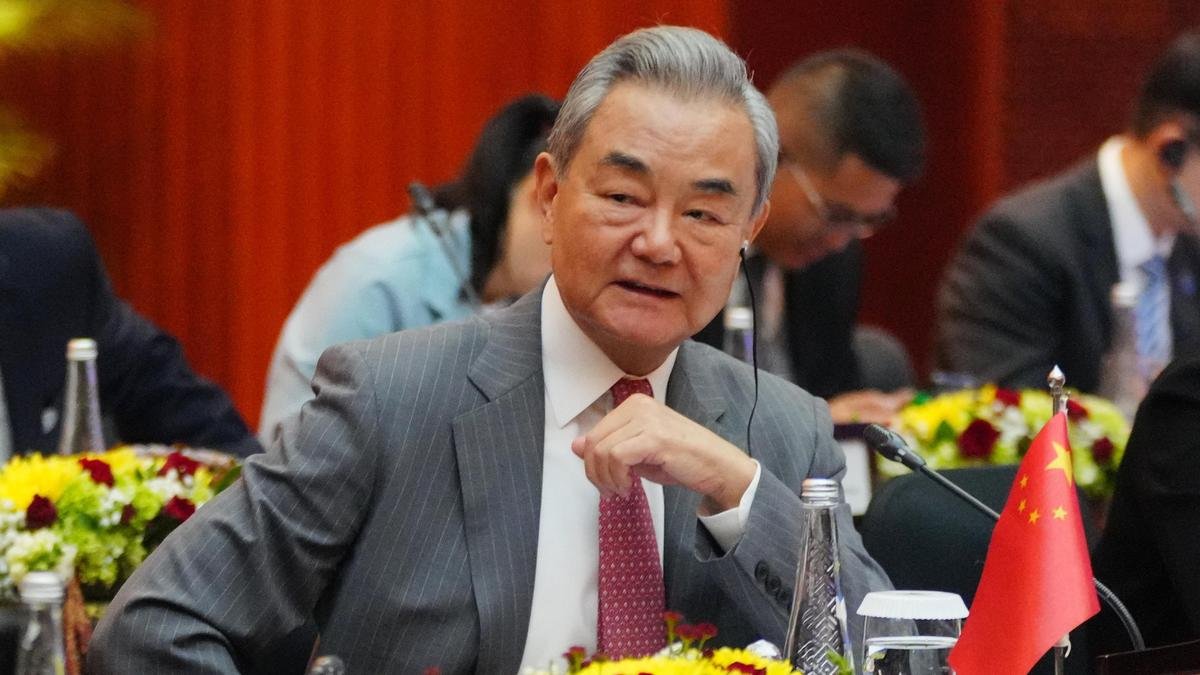
China’s Foreign Minister Wang Yi has said that the leaders of India and China reached “an important consensus” that the two countries should be partners, and Beijing hoped Saturday’s (September 12, 2026) meeting in New Delhi would see both countries take forward ties “without stagnation or backsliding”.
Mr.
Wang, who accompanied Chinese President Xi Jinping on his visit to New Delhi for the BRICS Summit, told State media, briefing them on the talks, that the two leaders held “a candid, in-depth exchange of views on issues affecting the countries of a strategic, long-term, and direction-setting nature, and reached a most important consensus that China and India should be partners.” China outlines AI, smart manufacturing vision for BRICS He quoted Mr.
Xi as saying that “under the strategic guidance of the two countries’ leaders, China-India relations have gradually emerged from a low point, progressing from a ‘restart’ to a ‘renewed height.’ Mr.
Wang said the “normalisation and improvement of China-India relations has been hard-earned, and that this progress deserves to be cherished.” Following the third meeting between the two leaders in three years, he hoped India “will join China in translating the leaders’ shared consensus into action”.
At BRICS, India must bank on the NDB “Both nations should remain partners rather than rivals, and advance bilateral relations steadily forward without stagnation or backsliding,” Mr.
Wang added.
His comments on “backsliding” speak to the view among some Chinese officials that the normalisation process over the past three years had unfolded in fits and starts, with slow progress on resuming exchanges.
India has said that maintaining peace and tranquility on the borders provided the basis for resuming exchanges, as both sides emerged from a four-year freeze in relations.
Ties have gradually normalised after the two leaders met in Kazan in October 2024.
Wang repeated China’s view that “the border issue should be placed in the appropriate position within the broader context of the bilateral relationship”.
“Dialogue and cooperation should remain the prevailing trend,” he said, “and both nations should accelerate their respective development and national renewal.”