Supreme Court raps bar council, asks it to stay out of law students' discipline The Supreme Court said it was for institution to take action against students as per norms.
Updated on: Sep 3, 2026, 13:00:06 IST By Utkarsh Anand Prefer HTon Google Share via Copy link The Supreme Court on Thursday delivered another rap on the knuckles to the Bar Council of India (BCI), making it clear that the lawyers’ regulatory body has no statutory power or business to discipline students pursuing legal education, and cannot dictate to law universities how they should deal with student conduct.
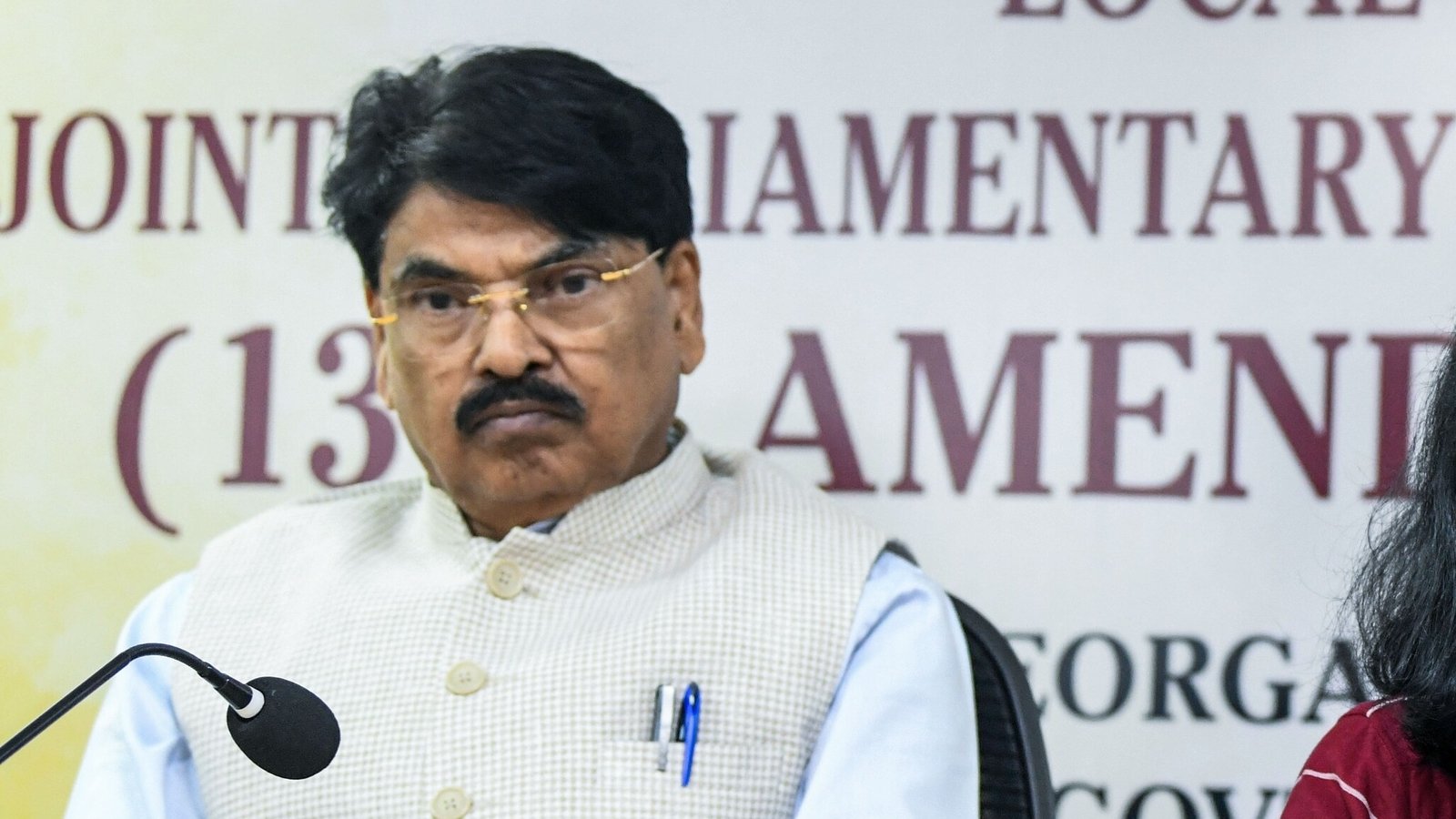
Bar Council of India (BCI) chairman Manan Mishra (ANI) Quashing the BCI’s communications directing action against students of the 2026 graduating batch of NALSAR University of Law, Hyderabad, a bench headed by Chief Justice Surya Kant said that disciplinary control over law students rests exclusively with the university or educational institution where they are enrolled.
The bench, also comprising justices Joymalya Bagchi and V Mohana, held that the Advocates Act, 1961, under which the BCI is constituted, did not confer on it either an express or implied power to take disciplinary action against students.
While the Council can prescribe and enforce standards of legal education in accordance with law and applicable regulations, “it cannot, however, take disciplinary action against a law student.” Declaring the BCI’s communication of August 13 and all subsequent modified communications against the NALSAR students to have been issued “without jurisdiction”, the bench made absolute its earlier interim order restraining the BCI and state bar councils from taking any punitive or criminal action against NALSAR students and faculty members.
BCI chairman Mishra had initially directed state bar councils not to enrol the students owing to their protest over inviting the CJI for the convocation, before withdrawing the freeze and eventually closing proceedings against the batch.
Mishra subsequently apologised to the students for any hurt caused by his words or the Council’s actions.