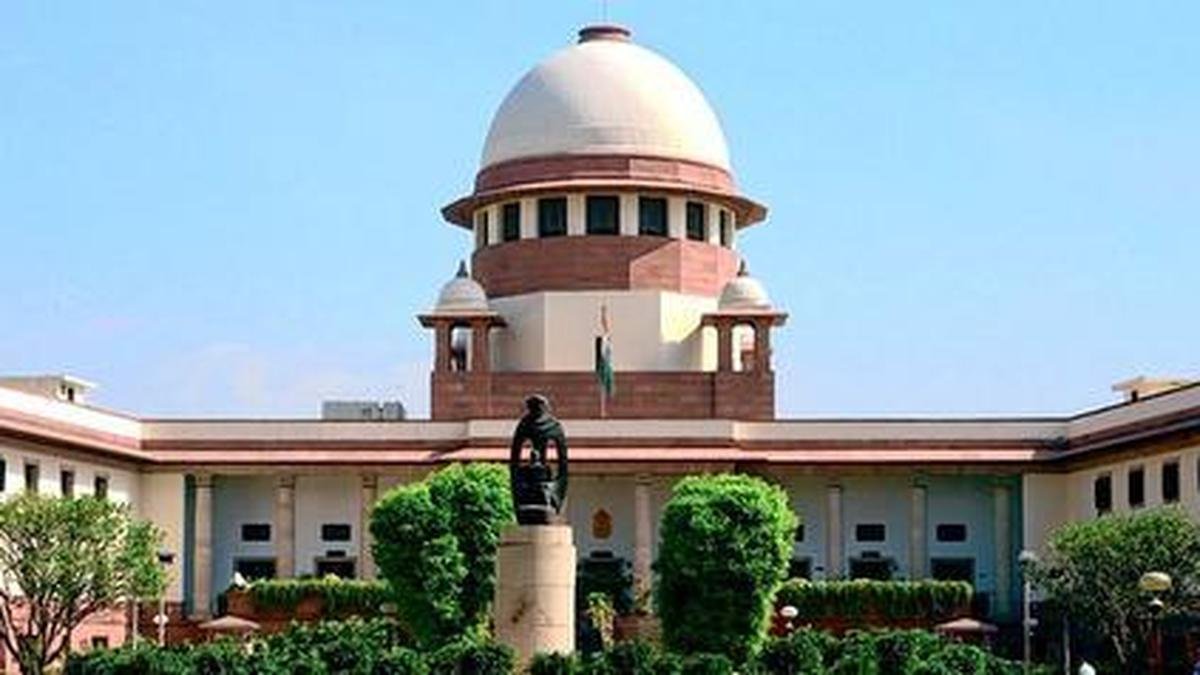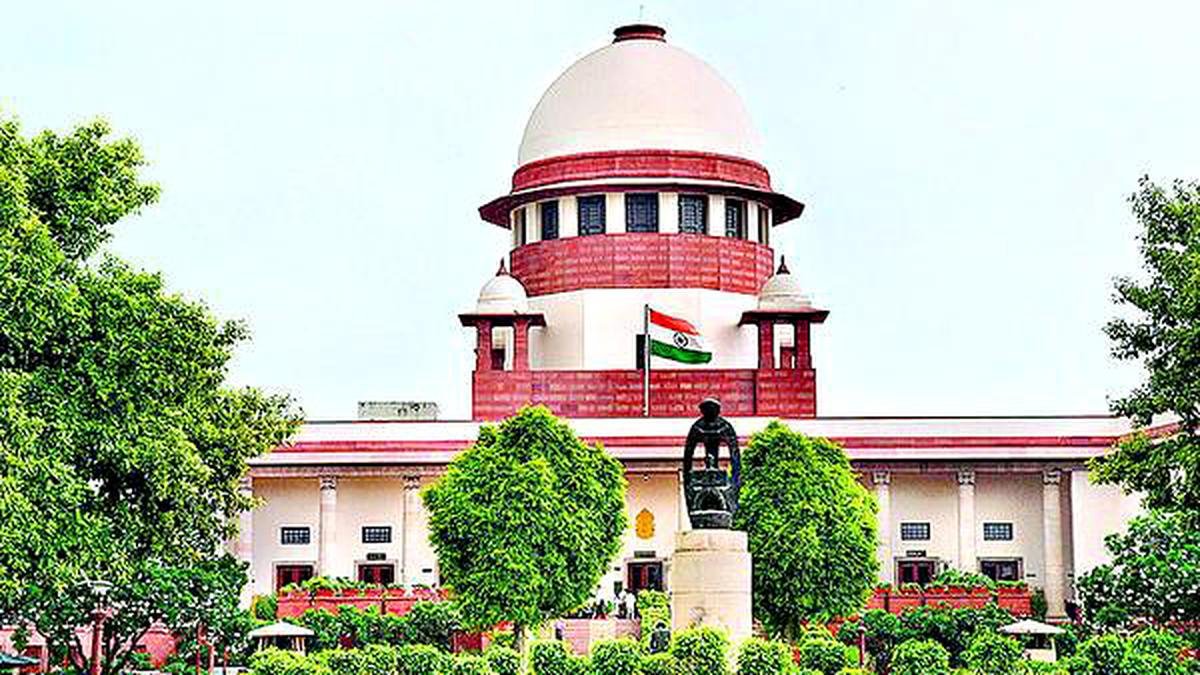
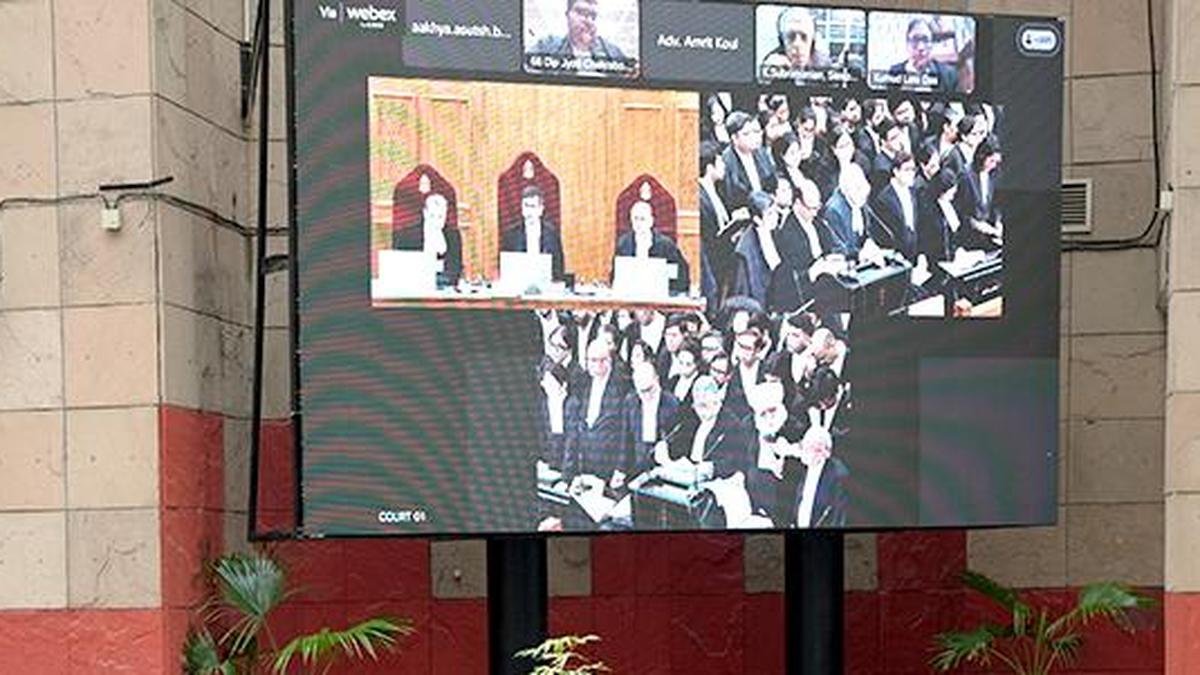
The Supreme Court on Friday (July 31, 2026) said it intends to lay down a protocol by which online users who want to post or circulate livestreamed judicial proceedings in the top court and the State High Courts can only access the audio-visual content through the courts’ archives.
Chief Justice of India Surya Kant said livestreamed visuals of court proceedings cannot be subject to “misuse” or “commercial exploitation”.
He was responding to an application filed by two activists, Anjali Bhardwaj and Amrita Johri, seeking a modification of a July 24, 2026 interim order barring the circulation of livestreamed proceedings on social media and digital platforms.
Livestream audio muted in CJI’s court during oral mentioning as per directive Open justice principle The applicants, represented by advocates Prashant Bhushan and Cheryl D’Souza, said the July 24, 2026 order amounted to a reversal of the ‘principle of open justice’ upheld by the Supreme Court itself in a plethora of judgments.
Objecting to a complete ban on dissemination of court proceedings on digital platforms, the activists said that open access to justice ensured that the judicial process remained answerable to the public and guarded against arbitrariness.
Mr.
Bhushan said the July 24 order ought to be modified to direct the preservation of livestreamed content in courts’ archives so that users could access the authorised version from this source.
Seeking suggestions for protocol “That is precisely the protocol we want to lay down...
We only want to prevent the misuse [of the livestreamed content],” Chief Justice Kant said, reacting orally.
Five years after Supreme Court judgment, only 9 out of 25 High Courts livestream proceedings The court allowed the application and asked Mr.
Bhushan’s clients to come forward with suggestions to frame the protocol.
The CJI said the exercise was not adversarial in nature.
Digital platforms Meta and WhatsApp have also agreed to pitch in with suggestions.
State High Courts have filed their affidavits along with Bar bodies from across the country.
Madhya Pradesh HC temporarily stops live streaming of criminal cases hearing from September 15 The July 24 order, which came in a petition filed by Harshita Grover, had prohibited the extraction, modification, dissemination, posting, reposting, uploading, recording, or monetisation of audio-video recordings of judicial proceedings on any social media or digital platform without prior permission of the Secretary General of the Supreme Court and Registrar General of the State High Courts.
Vulnerable to trolling The top court had reasoned that the unregulated circulation of livestreamed court proceedings made judges, advocates, and litigants vulnerable to trolling and reputational harm while eroding public confidence in the judicial system.
Live-streaming of court proceedings important for people, will make it permanent, says CJI Chandrachud The activists, however, had said the concern of intentional misuse could be addressed by defining the terms and conditions of re-use, sharing, and dissemination of the recordings and livestream, rather than restricting these activities based on the nature of the user.
“The safeguards should be such that they protect fair and accurate representation, including sharing and dissemination of proceedings that are already open to public view,” their application said.