From inspecting smart glasses and concealed cameras to deploying additional invigilators, South Korea is rethinking examination security in the age of AI.
Here are five lessons other countries can learn from its approach.
When a miniature camera, a smartphone and an artificial intelligence tool can potentially help a candidate solve an examination paper, keeping a close watch on students is no longer as simple as checking their pockets.South Korea has been forced to confront this reality after a candidate who secured the highest score in a national tax accountant examination reportedly admitted to photographing questions using a concealed camera and sending them to an AI tool to obtain answers.
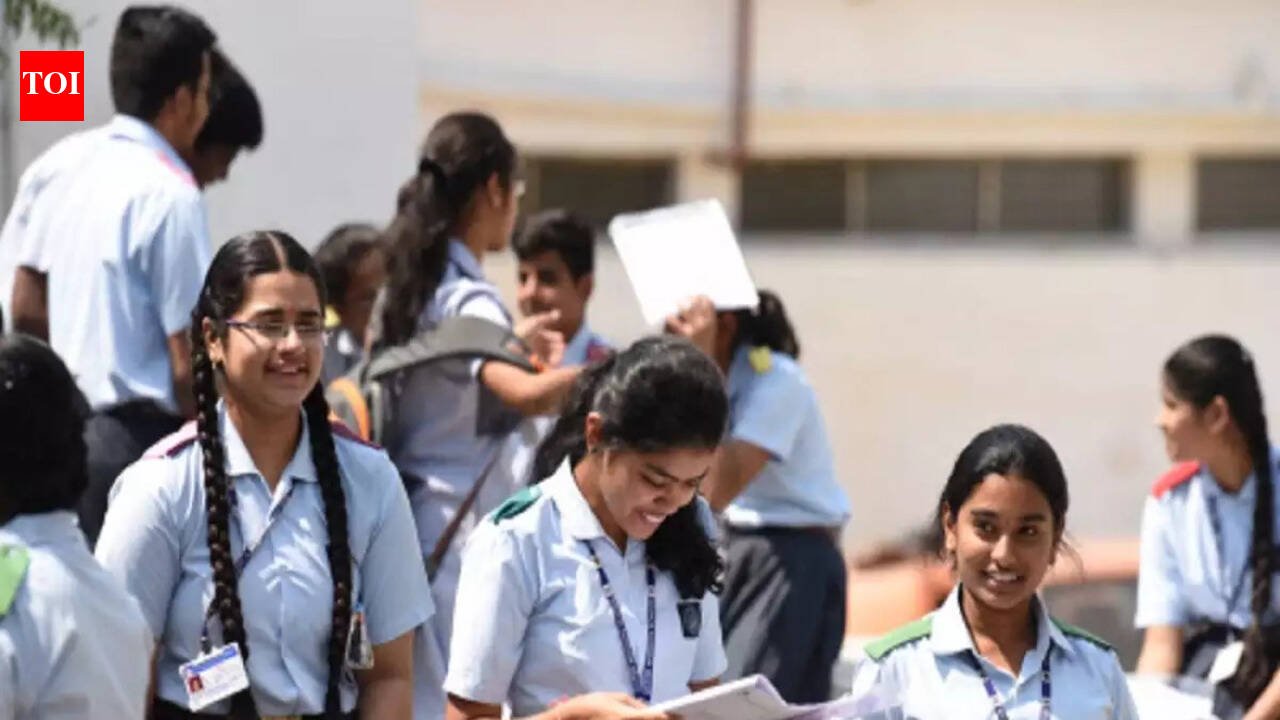
The incident has triggered a nationwide debate over examination integrity and prompted authorities to tighten surveillance ahead of the country's highly competitive university entrance examination.The government's response is particularly telling.
Officials will inspect candidates' collars, cover clothing buttons with stickers to prevent hidden cameras from being concealed, examine spectacles for smart technology and deploy metal detectors.
Students will also have to leave their personal belongings outside examination halls.South Korean Prime Minister Han Seong-sook has announced the deployment of nearly 8,400 additional examination inspectors.
The government is also seeking cooperation from technology companies to investigate whether examination questions have been captured and transmitted to generative AI applications.The penalties are set to become tougher too.
South Korea plans to extend the ban on retaking examinations for those caught cheating from one year to ten years.The episode offers a glimpse into a problem that education systems across the world may increasingly have to address.
AI is no longer just changing how students study.
It is challenging how examinations are conducted, monitored and evaluated.5 lessons education systems can learn from South Korea Here are the lessons that one should learn from South Korea:1.
Checking for mobile phones is no longer enoughExamination authorities have traditionally focused on preventing students from carrying mobile phones, written notes and other unauthorised material into examination halls.
But AI-assisted cheating has made this approach inadequate.South Korea's decision to inspect clothing, collars and even spectacles highlights how surveillance protocols must evolve.
When recording devices can be disguised as ordinary accessories, examination security needs to look beyond conventional electronic gadgets.2.
AI has made cheating faster and harder to detectThe tax accountant examination incident demonstrates how several technologies can work together to facilitate malpractice.
A concealed camera can capture a question, an AI application can generate an answer, and a connected device can transmit the response.This creates a challenge that conventional invigilation may struggle to address.
Examination authorities will have to anticipate how emerging technologies can be misused rather than simply respond after a cheating incident comes to light.3.
Invigilators need to understand the technology students useDeploying additional inspectors is one part of South Korea's response.
The larger lesson is that examination personnel must be equipped to identify unfamiliar devices and understand the ways in which technology can be used to bypass examination rules.Simply increasing the number of people monitoring an examination may not be sufficient if they are unfamiliar with the tools candidates could potentially use.4.
Examination security cannot end at the classroom doorSouth Korea's plan to seek assistance from technology companies points towards another important development.
Investigating examination malpractice may increasingly require cooperation between examination authorities and technology providers.With questions potentially being transmitted to external applications, institutions may need stronger mechanisms to investigate digital evidence and identify possible breaches.5.
The credibility of examinations matters as much as the resultsPerhaps the biggest lesson is about fairness.
High-stakes examinations determine access to universities, professional qualifications, and career opportunities.
When a candidate gains an unfair advantage through technology, it is not just a violation of examination rules.
It undermines the efforts of thousands of students who have prepared honestly.South Korean President Lee Jae Myung has also warned candidates against cheating, describing such practices as taking away the hard work of other students.Join conversation Share your thoughts in the comments Be respectful · TOI community guidelines The bigger lesson: Education must adapt before technology overtakes it South Korea's crackdown raises a question that examination authorities everywhere will eventually have to confront: Are existing assessment systems equipped to deal with AI-assisted malpractice?Artificial intelligence has considerable potential to support learning, improve access to information, and help students understand difficult concepts.
However, the same technology can create opportunities for misuse when examinations continue to rely on systems designed for an earlier digital era.The answer does not necessarily lie in treating AI as an enemy or imposing blanket restrictions on technology.
It lies in establishing clear boundaries between using AI as a learning aid and using it to circumvent an assessment.South Korea's experience offers a timely warning.
Examinations are changing, cheating methods are changing, and the institutions responsible for protecting academic integrity cannot afford to remain stuck in the past.Get the latest Education News and Live updates.
Download the TOI app.