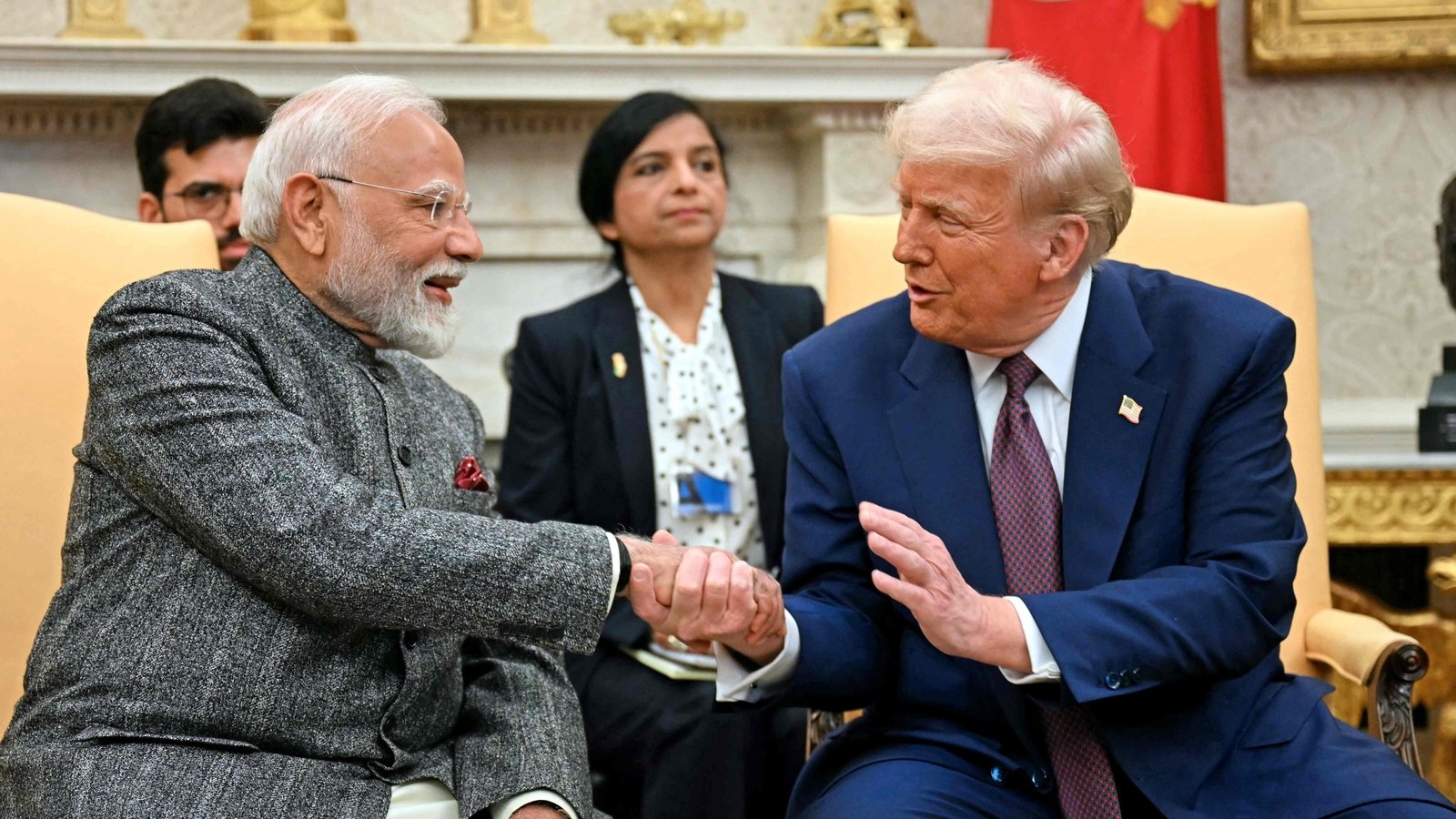
PM Modi said the two sides agreed to maintain close engagement to take their Comprehensive Global Strategic Partnership forward.
Prime Minister Narendra Modi on Wednesday said he had a “productive conversation” with US President Donald Trump, during which the two leaders reviewed bilateral cooperation in trade, defence, energy, critical technologies and other areas.
In a post on X, PM Modi said the two sides agreed to maintain close engagement to take their Comprehensive Global Strategic Partnership forward.
“Had a productive conversation with President Trump. We reviewed our bilateral cooperation in trade, defence, energy, critical technologies and other areas. We agreed to maintain close engagement to take our Comprehensive Global Strategic Partnership forward,” he wrote.
They also exchanged views on regional and international issues, including ongoing efforts to advance global peace and security. “We also exchanged views on regional and international issues, including ongoing efforts to advance global peace and security”.
'US once wanted India to limit trade options'
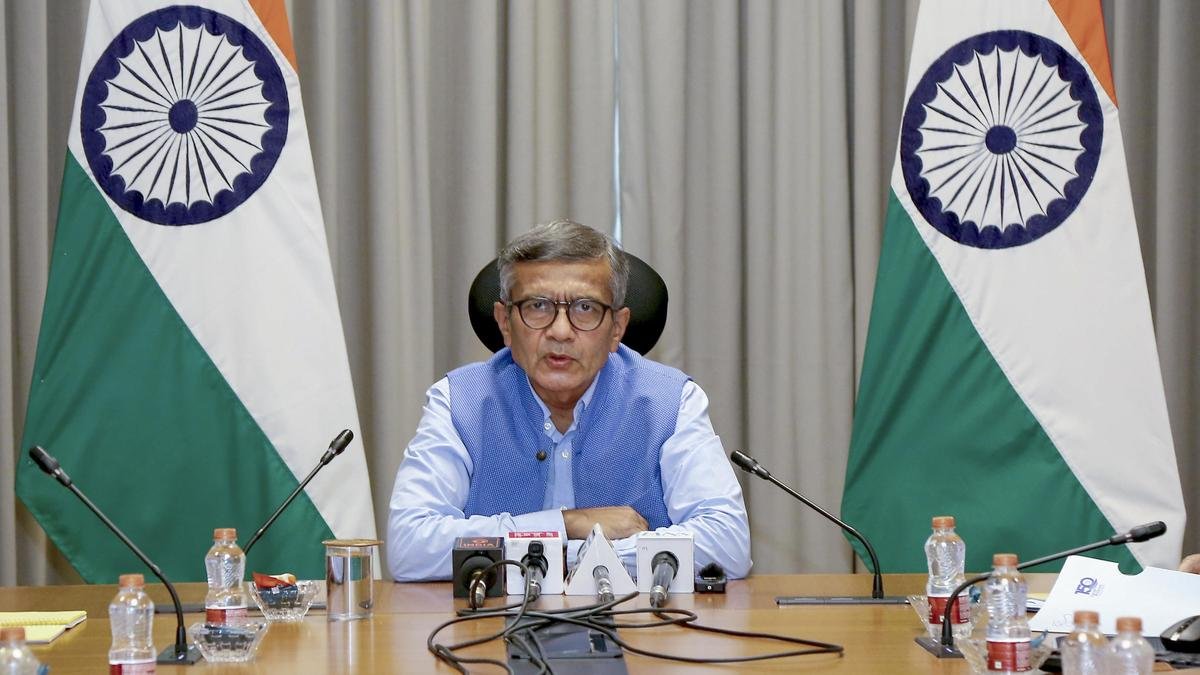
This comes a day after External Affairs Minister S Jaishankar said the United States had previously expected India to limit its diplomatic options and focus primarily on its relationship with Washington.
Speaking at an event organised by the Asia Society in New York alongside Daniel Russel, a former US Assistant Secretary of State for East Asian and Pacific Affairs, Jaishankar said that this expectation had now given way to a more open approach in which countries were engaging with multiple partners.
“There was once a narrative in America that we don’t like India having too many options. We want you to focus on your relationship with us even though America kept its options open. Today that pretence has dropped,” he said.
Jaishankar said countries were now “openly dealing with everybody else”, describing the shift as part of a broader movement towards a multipolar world. He said the changing diplomatic landscape reflected a situation in which countries were increasingly pursuing relationships with multiple powers rather than being expected to limit their strategic choices.