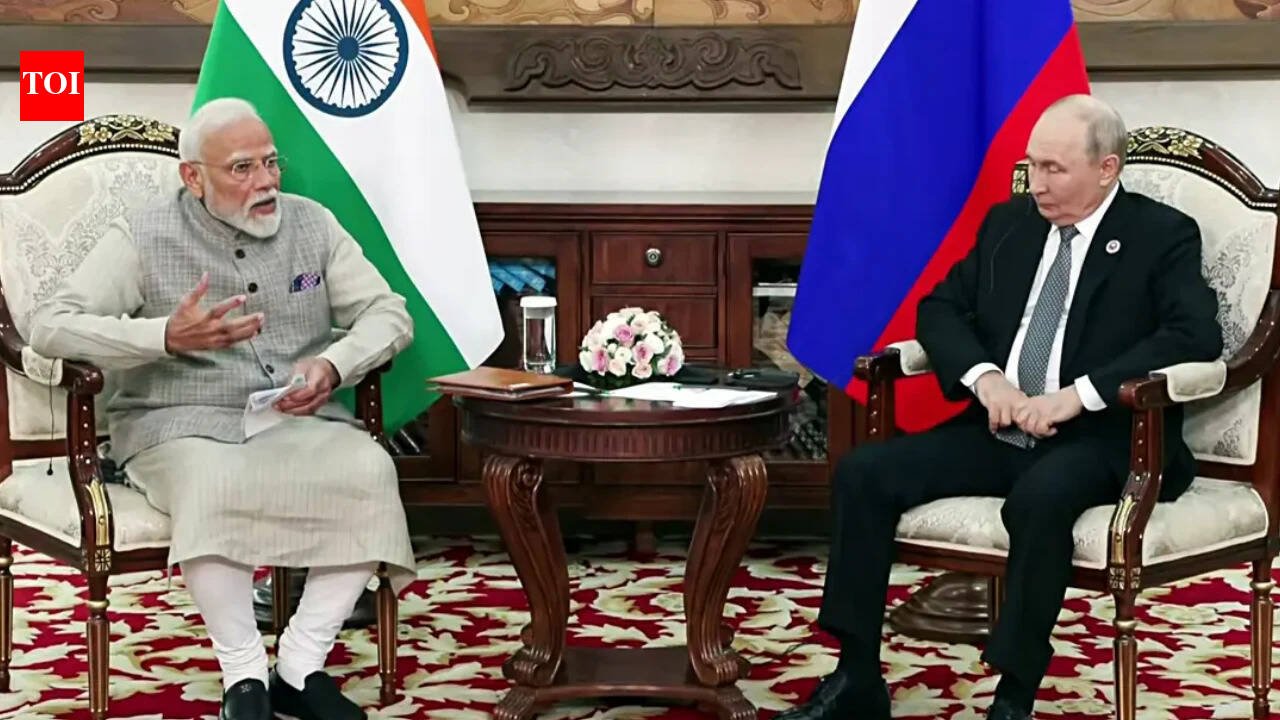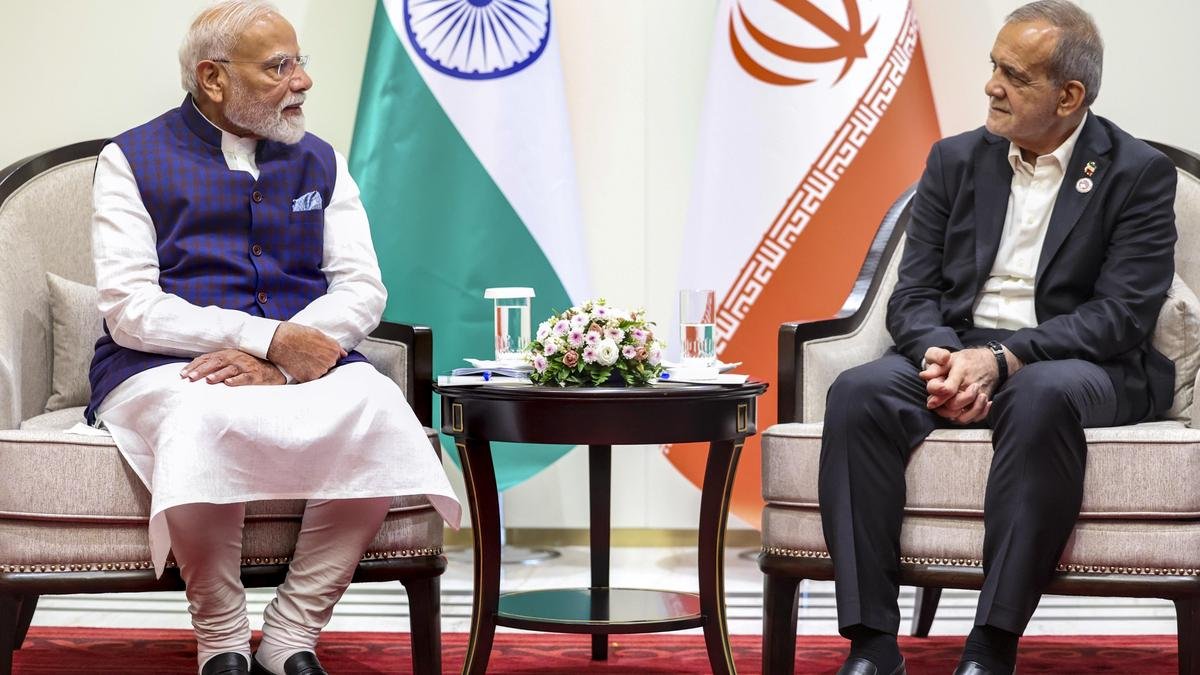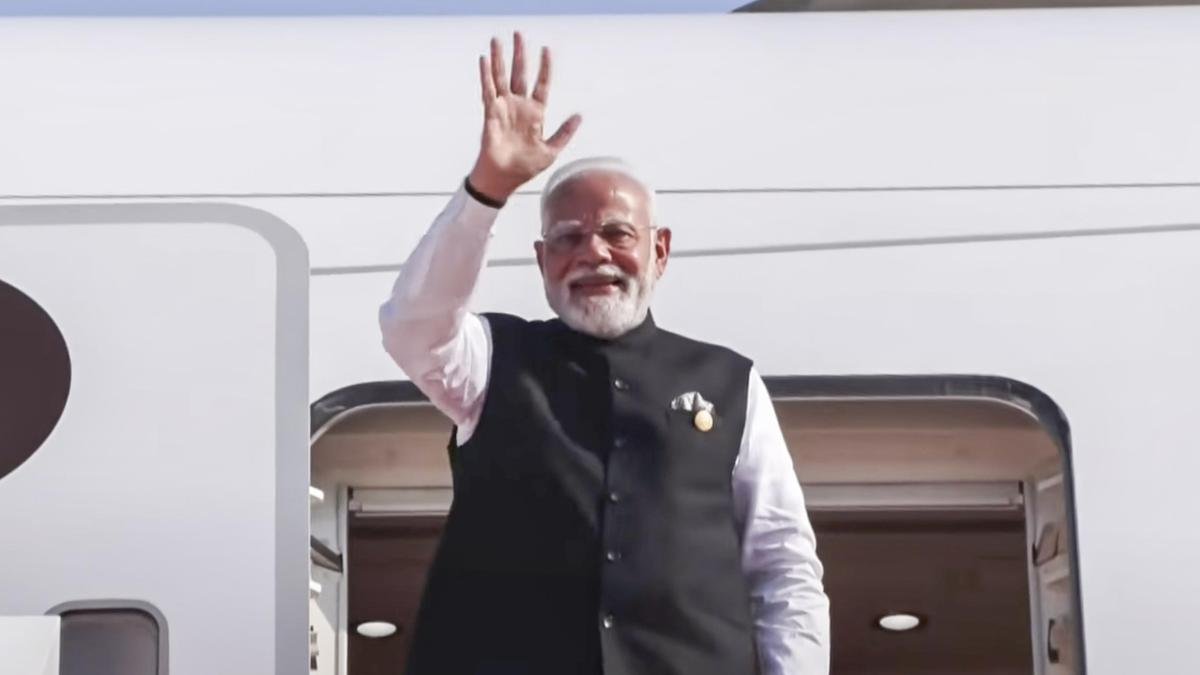
Prime Minister Narendra Modi’s four-day visit to Uzbekistan and the Kyrgyz Republic is more than just an outreach to two important states in Central Asia or the Shanghai Cooperation Organisation (SCO). The agenda will include engagements aimed at three additional multilateral platforms — the upcoming BRICS Summit in September, the two-year UN Security Council term of 2028-2029, and planning for the long-pending India-Central Asia Summit, which has not met since 2022. Experts say the delay has led to speculation in the region that New Delhi has lost interest in the engagement, particularly compared with Mr. Modi’s first foray in 2015, when he visited all five Central Asian states. His biggest challenge during this visit will be to reverse that perception.
In a speech given at Kazakhstan’s Nazarbayev University in Nur Sultan, addressed to the “people of Central Asia”, Mr. Modi had then promised that India would rebuild connectivity to the region. “In an age of globalisation, Asia cannot remain fragmented. And Central Asia cannot remain distant and disconnected from India,” he said. Since 2012, when the previous Manmohan Singh government had launched the ‘Connect Central Asia’ policy, there had been considerable hope that more trade, travel, and pipelines would follow. However, while trade in goods has risen from $500 million in 2010 to more than $2 billion in 2025, connectivity prospects have been considerably cut due to geopolitical shifts.