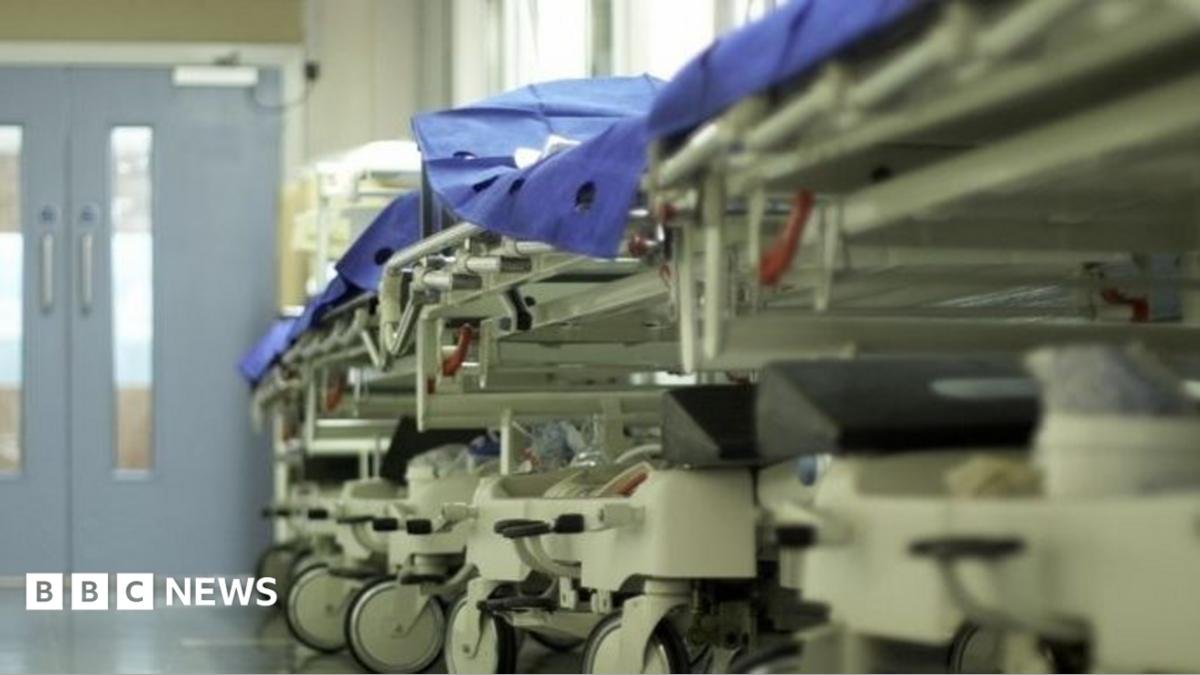
Image source, Getty Images Image caption, The NHS in England experienced its busiest September on record ByDominic Hughes Health correspondent Published 5 hours ago There are "ominous signs" that winter pressures are already affecting the NHS in England, according to senior health leaders.
The warning comes as new data reveals the waiting list for routine hospital treatment in England rose for the second month in a row.
An estimated 7.37 million treatments were waiting to be carried out at the end of August, relating to 6.24 million patients.
The numbers are the highest since October 2025 and have raised questions over whether the NHS will meet a government target of treating 92% of patients within 18 weeks by 2029.
The rise in waiting lists comes despite the NHS in England delivering what were described as record levels of planned, elective care over the summer, while demand for services also reached its highest level ever.
A record 4.7 million planned treatments, procedures and appointments occurred across June, July and August – more than in any previous summer.
But both A&Es and ambulance services also saw a record number of patients for the month of September.
NHS England's national medical director, Professor Frankie Swords, warned that despite the progress delivered by frontline teams, winter pressure was already building.
"Staff are already seeing the ominous early signs of pressure, with more patients coming to A&E with flu and other respiratory viruses than usual for this time of year, and unfortunately many people are still waiting longer than we would like them to," she said.
"Relentless growth in demand for care" The NHS Alliance, which represents hospitals, says the government in England is not going to achieve its manifesto promise of hitting the 18-week hospital waiting time target by the end of the parliament in 2029.
That 18-week target hasn't been hit for a decade.
A separate analysis by the Health Foundation think-tank said progress on cutting waiting times had stalled over the past year, with referrals on to the waiting list rising at a much quicker rate than the number of patients being treated.
Sir Ciarán Devane, the chief executive of the NHS Alliance which represents NHS trusts, said: "The NHS continues to respond to record demand for care, but the relentless growth in demand for services is putting NHS staff under real pressure." Francesca Cavallaro, of the Health Foundation, said: "Thanks to the hard work of staff, the NHS has made progress in bringing down waiting times, but a rise in referrals mean that the service is having to run faster just to stand still and the prospects of meeting the government's pledge are receding.
"Andy Burnham's government have yet to set out whether they will give the 18-week target the same priority as it had under Keir Starmer, but our analysis shows the pledge is becoming increasingly hard to deliver." "Not just numbers, but vulnerable people" There will be concern too that the pressures of a long, hot summer have merged almost seamlessly into the pressures associated with the winter months.
More patients, including children, have been arriving at A&E departments with flu and other respiratory viruses.
The number of patients seen within four hours in A&Es last month fell to 74.4%, down from 75.0% in August.
The number of people waiting more than 12 hours in A&E departments from a decision to admit to actually being admitted – what is known as "corridor care" – stood at 50,582 in September, up from 44,951 in August.
That has alarmed Dr Vicky Price, president of the Society for Acute Medicine.
"A 13% year-on-year rise in 12-hour emergency department waits as winter approaches should set alarm bells ringing.
"More than 50,000 patients waited over 12 hours from the decision to admit to admission in September - 1,686 people every day.
"These are not just numbers.
"They represent vulnerable people who are waiting far too long for a bed and staff trying to deliver safe care in overcrowded emergency departments." The government says the 18-week mark could still be achieved, saying it was investing in NHS buildings and equipment to make services more productive.
It also pointed to disruption to care that was caused by the strikes by resident doctors, a dispute which has now been settled.
But the strain that services are feeling in September, before winter has even really got going, will be a cause for concern among NHS leaders and their political bosses alike.
Have you been on an NHS waiting list for a long time?