Nifty bears tighten grip as crude, geopolitical risks, FII outflows mount: 5 factors to decide D-Street’s fate next week Agencies Synopsis Indian stock markets faced a setback as crude oil prices soared, triggered by increasing geopolitical tensions in the Middle East.
Despite some defensive buying from domestic institutions, foreign investors pulled back.
Investors will be keenly watching industrial production metrics and second-quarter earnings for insights on corporate health, as macroeconomic stability remains crucial for market trends.
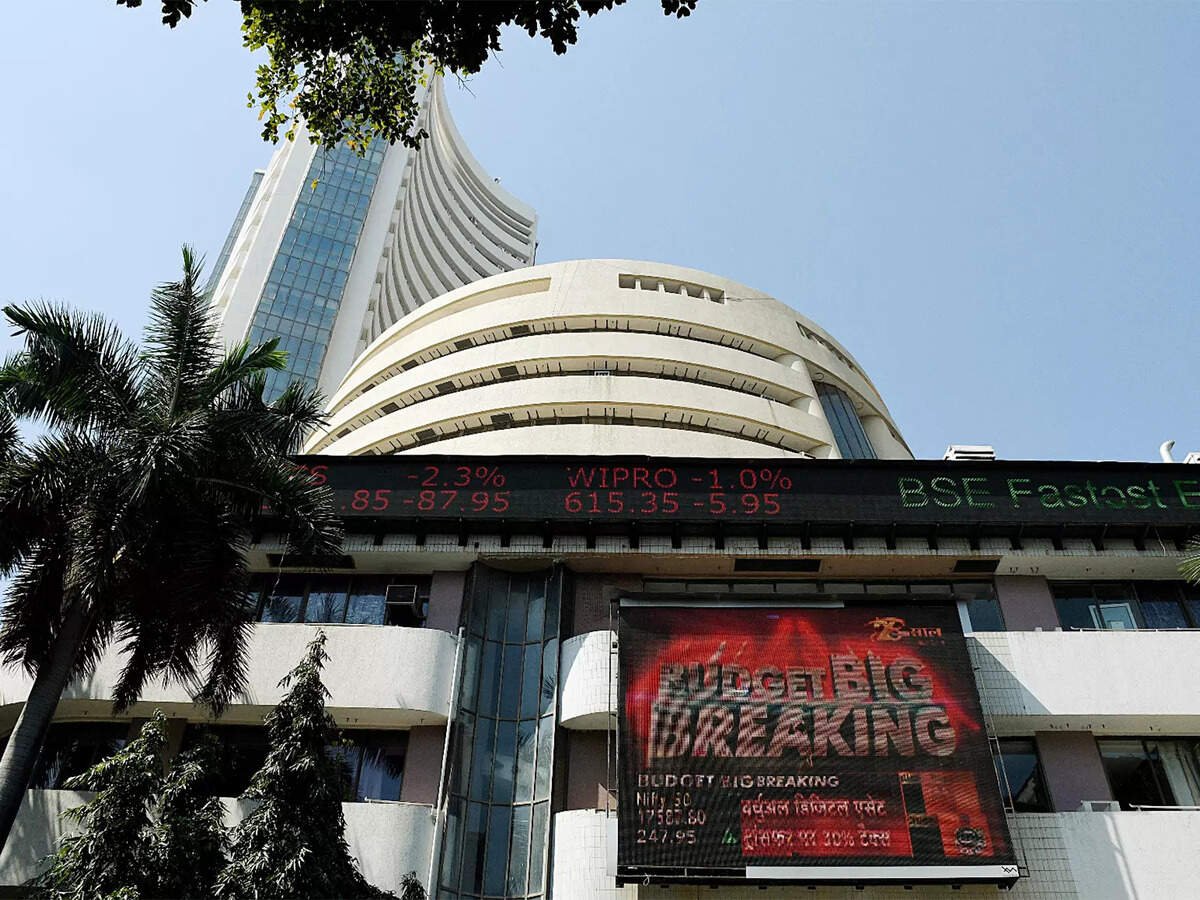
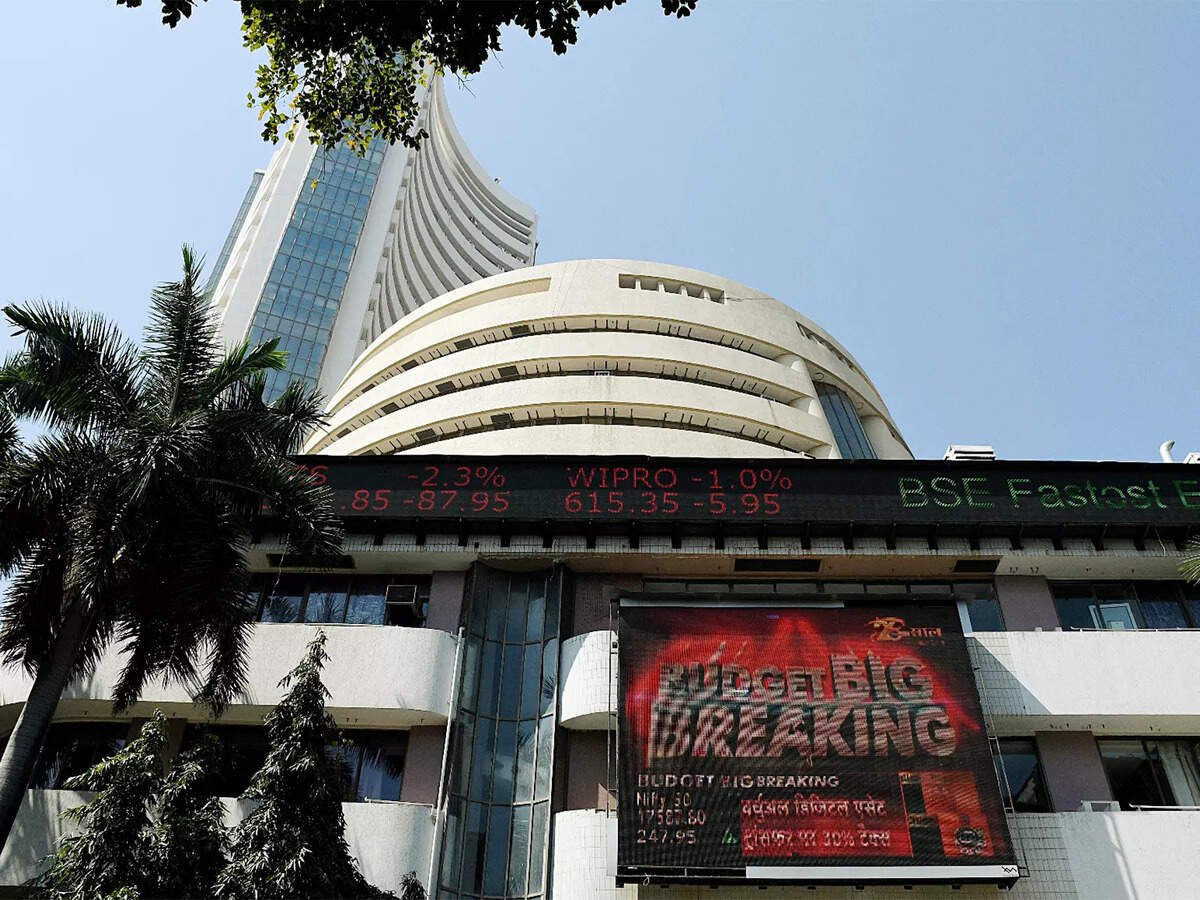
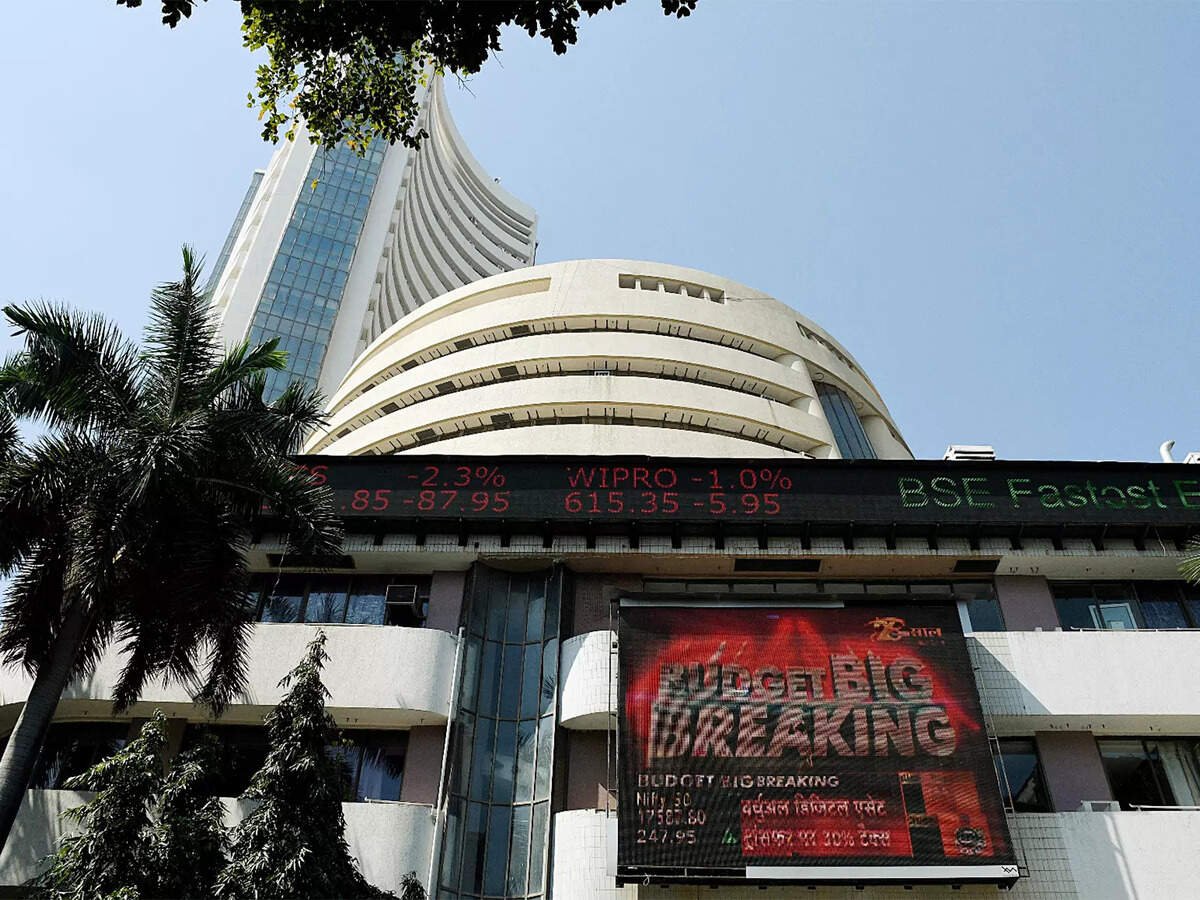
By Kumar Gaurav, ETMarkets.com Oct 25, 2026, 09:18:00 AM IST Follow us Indian equities came under renewed selling pressure this week as elevated crude oil prices, persistent foreign investor outflows and escalating geopolitical tensions weighed on investor sentiment.
The Nifty 50 declined 2.36%, while the BSE Sensex fell around 2.15%, reversing the previous two weeks’ gains and extending their losing streak to four consecutive sessions.ADVERTISEMENT The sell-off extended beyond frontline stocks, with midcap and smallcap shares witnessing sharper declines as investors reduced exposure amid rising uncertainty, valuation concerns and tightening liquidity.
Weakness across cyclical stocks added to the pressure, while information technology stocks displayed relative resilience.Brent crude surged past $117 a barrel amid escalating tensions in the Middle East and concerns over prolonged energy supply disruptions.
Elevated US Treasury yields, foreign institutional investor (FII) selling and liquidity considerations surrounding the Reliance Jio IPO further influenced market sentiment.
With the US Federal Reserve’s October 27–28 policy meeting, domestic industrial-production data and the September-quarter earnings season in focus, investors, analysts said, will assess whether the market can stabilize or whether selling pressure will persist.
Here are the five factors that could decide D-Street’s direction next week.1.
Crude oil prices and geopolitical tensionsADVERTISEMENT Crude oil remains a key concern for Indian equities, with Brent prices rising amid escalating geopolitical tensions in the Middle East and concerns over energy supply disruptions.
Further disruptions involving Iran, the Strait of Hormuz or regional energy infrastructure could intensify concerns over India’s energy import bill, inflation and corporate profitability.ADVERTISEMENT ADVERTISEMENT Sustained increases in crude prices could raise energy and transportation costs, weigh on household consumption and put pressure on oil-sensitive sectors.
Elevated energy prices could also complicate the inflation outlook and increase concerns over the fiscal deficit.Hariselvan Radhakrishnan, Founder and CEO of HST Wealth, said the duration of elevated energy prices would determine whether the pressure spreads further into household spending and corporate margins.ADVERTISEMENT “Any de-escalation could generate a sharp relief move, but a small decline from these elevated levels would provide only marginal comfort,” Hariselvan said.A sustained retreat in crude prices could ease pressure on the domestic macroeconomic outlook and improve investor sentiment.
However, continued geopolitical escalation and elevated energy costs could leave equities vulnerable to further selling.ADVERTISEMENT 2.
US Federal Reserve policy, bond yields and global risk appetiteThe US Federal Reserve’s October 27–28 policy meeting will be a key global trigger for markets in the coming week.
With markets largely expecting interest rates to remain unchanged, investors will focus on the central bank’s guidance on inflation and the future interest-rate trajectory.Hariselvan said the policy guidance would be more important than the rate decision itself.
Continued emphasis on inflation risks could push US yields and the dollar higher, keeping foreign flows into emerging markets under pressure.
More balanced guidance could support a temporary recovery in global equities.Elevated US Treasury yields have strengthened the appeal of fixed-income assets, influencing capital allocation and foreign investment flows into emerging markets.
A firm US 10-year Treasury yield could continue to weigh on risk appetite and limit foreign participation in Indian equities.Global technology stocks and speculative growth assets will also remain in focus amid the unwinding of the so-called “anti-AI trade”.Ravi Singh, Chief Research Officer at Master Capital Services Ltd, said investors were reassessing large capital commitments to high-tech and speculative growth assets amid concerns over monetisation timelines and rising debt-servicing costs.The direction of US yields, the dollar and global risk appetite will remain important in determining whether foreign investors continue to reduce their exposure to Indian equities or return to emerging markets.3.
FII outflows, domestic liquidity and the Reliance Jio IPOForeign investor selling remains a key overhang for domestic equities, although domestic institutional investors (DIIs) have helped absorb a substantial portion of the outflows.According to Ponmudi, cumulative FII outflows for October stood at approximately ₹51,465 crore, while DIIs recorded month-to-date net purchases of around ₹59,110 crore.
Domestic institutional buying has helped cushion the downside, but the sustainability of this support will remain important for market stabilisation.Ravi Singh said FIIs had accelerated their net selling amid elevated global risks, with funds shifting towards safer fixed-income assets.
Higher US Treasury yields have reinforced this preference, limiting the flow of foreign capital into emerging markets.The Reliance Jio IPO is another factor influencing domestic liquidity.
Singh said the large primary-market offering had absorbed institutional and retail capital, diverting funds from secondary-market equities and leaving benchmark indices more vulnerable to selling pressure.Ponmudi noted that the Jio Platforms IPO, which opened during the previous week and attracted strong investor demand, could remain relevant to liquidity conditions and portfolio allocation.The market’s near-term direction will depend partly on whether domestic institutional buying continues to offset foreign selling.
A moderation in FII outflows, alongside sustained domestic support, could help the market find a firmer footing.
Continued foreign selling amid elevated global yields and significant primary-market activity could keep equities under pressure.4.
Industrial production data and Q2 earningsDomestic industrial-production data and the September-quarter earnings season will provide important cues on whether corporate performance and economic activity can offset persistent external pressures.Investors will assess revenue growth, operating margins, demand conditions and management commentary to determine whether earnings can support valuations amid elevated energy costs and uncertain global conditions.Hariselvan said strong industrial activity and constructive corporate guidance could support capital goods and domestic cyclical stocks.
Conversely, weak volume growth or concerns over margins could reinforce investor preference for companies with pricing power and stronger earnings visibility.Investors will scrutinise results and management commentary from information technology, automobile, consumer-facing and other key sectors for signs of underlying demand strength and the sustainability of corporate profitability.Recent weakness in banking stocks following disappointing results from select lenders has heightened scrutiny of earnings quality and growth expectations.Market breadth will be another important indicator of whether the correction is stabilising or deepening.
Continued weakness in midcap and smallcap stocks could indicate that investor caution is spreading beyond frontline indices, while a broader recovery in market participation would provide a stronger signal of stabilisation.5.
Technical outlook: Can Nifty defend 22,300?The Nifty 50 declined 2.36% during the week, snapping its previous two-week winning streak and moving closer to its 200-week exponential moving average (EMA), according to Ravi Singh of Master Capital Services Ltd.Singh said the index’s technical structure remained weak, with selling pressure visible across sectors except IT.
Immediate support is placed near 22,300, and a decisive break below this level could trigger further selling towards 22,000, a key psychological support.On the upside, the 22,850–22,900 zone remains a crucial resistance area, coinciding with the 21-day EMA.
Singh said that as long as the index trades below this hurdle, the strategy remains “sell on rise”, with recovery attempts likely to face sustained selling pressure.Hariselvan said the Nifty had closed marginally below its 200-week simple moving average (SMA), while remaining above its 50-month SMA.
A sustained move above 22,800 would be required to restore momentum and open the way towards 23,000–23,150.
Failure to reclaim that level could leave the index vulnerable around 22,400–22,200.Disclosure: This article has been written by Kumar Gaurav, who is not a Sebi-registered Research Analyst or an Investment Adviser.
Gaurav and their ‘relative(s)’ (as defined under Section 2(77) of the Companies Act, 2013) do not hold any financial interest in the companies mentioned in this article as of the date of publication.
The views/recommendations mentioned in this article, wherever applicable, are those of the respective Sebi-registered Research Analyst/brokerage and have been reproduced/reported with due attribution.
They should not be construed as the views or recommendations of The Economic Times Digital or the journalist.
Readers are advised to consider the original research report and make their investment decisions based on their own assessment.