India could face another round of steep US tariffs if a bipartisan Russia sanctions bill moving through the US Senate becomes law, adding fresh uncertainty to trade ties between New Delhi and Washington even as the two countries continue negotiations on a broader trade agreement.
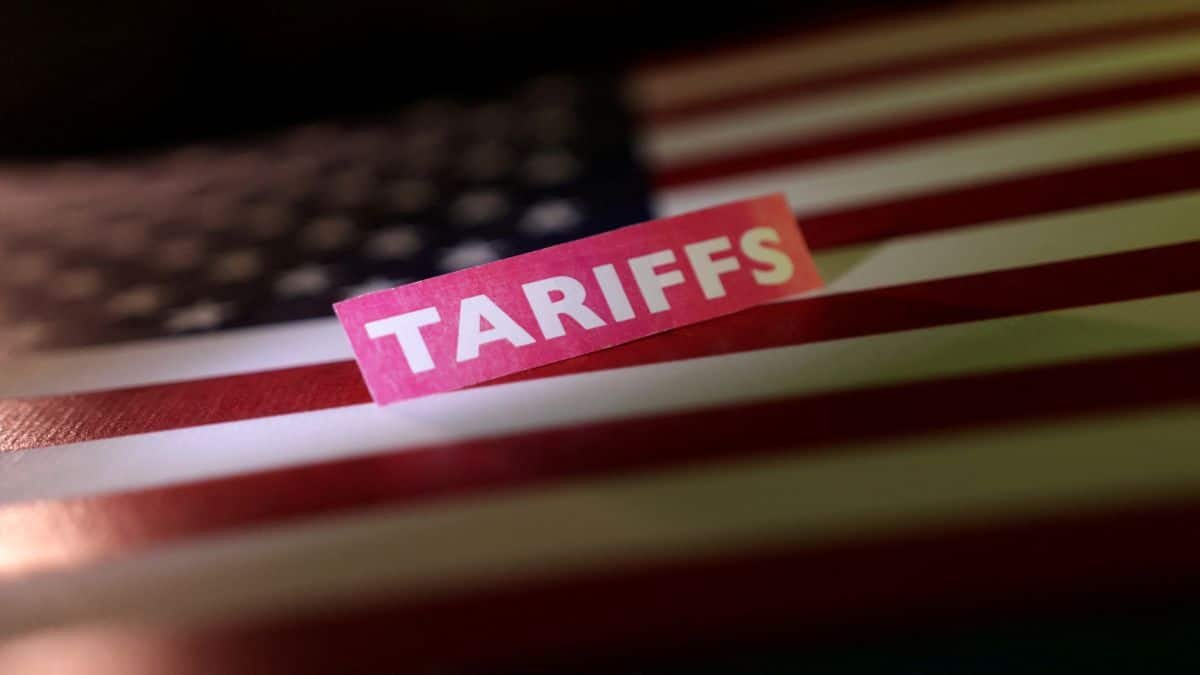
The Senate overwhelmingly voted 86-12 to advance legislation that would authorise President Donald Trump to impose tariffs of up to 100 per cent on countries that continue buying significant volumes of Russian oil and gas, with India, China and several other major importers potentially in the crosshairs.
The procedural vote marks a significant step forward for the bill, which is aimed at increasing economic pressure on Moscow over its invasion of Ukraine while also giving Trump another powerful trade tool.
If enacted, the legislation would allow Trump to impose tariffs on imports from countries that continue purchasing large volumes of Russian energy. While the bill does not automatically trigger tariffs, it gives the president broad discretion to impose or remove them.
That raises the prospect of fresh trade pressure on India, which is already navigating tariff negotiations with Washington after facing a series of US trade actions this year.
Besides India, China, Japan and some European countries that continue importing Russian energy could also face the proposed tariffs.
Another tariff weapon for Trump
The legislation has drawn attention not only because of its sanctions on Russia but also because it would significantly expand Trump’s ability to use tariffs as a foreign policy tool.
The president has already relied heavily on tariffs during his second term to pursue strategic and geopolitical objectives. The proposed legislation could give him another mechanism to target countries whose energy purchases are seen as helping finance Russia’s war.
Quick Reads
Oil jumps over 3% as US crude stockpiles shrink, OPEC+ seen pausing output hikes
'I don't care': Trump dismisses North American trade pact, says US doesn't need Canada or Mexico
Some Democrats have voiced concerns that the bill effectively creates a new pathway for imposing tariffs beyond traditional trade disputes.
Representative Gregory Meeks, the top Democrat on the House Foreign Affairs Committee, criticised the proposal, saying it was “not so much a sanctions bill as it is a massive backdoor authority” for Trump to impose more tariffs, including on US allies.
Supporters of the legislation argue the tariff provisions are narrowly targeted and intended to reduce Russia’s energy revenues rather than trigger a broader trade conflict.
Trump backs the proposal
Trump has publicly backed the legislation after requesting that sanctions on Iran also be included. The revised bill now targets both Russia and Iran, aiming to curb revenues that US lawmakers say fund military operations and regional security threats.
If approved by Congress, the legislation would be formally known as the “Lindsey O. Graham Sanctioning Russia and Iran Act of 2026.”
The bill was originally championed by the late Republican Senator Lindsey Graham, one of Ukraine’s strongest supporters in Congress, who died earlier this month.
Zelenskiy attends Senate vote
The Senate vote coincided with Ukrainian President Volodymyr Zelenskiy’s visit to the US Capitol, where he attended proceedings after travelling to Washington for Graham’s funeral and meetings with Trump.
Zelenskiy welcomed the Senate’s action, saying the legislation would weaken Russia’s ability to finance the war while sending a strong signal of continued US support for Ukraine.
“It’s also a big signal to Europe, big signal to Ukraine, big support of our people,” he told reporters before entering the Senate chamber.
What happens next?
The bill must still clear additional procedural votes before a final vote in the Senate. It would then move to the House of Representatives, which is scheduled to reconvene in September.
Although the strong bipartisan Senate vote improves its chances, lawmakers remain divided over the tariff provisions, meaning negotiations are likely before the legislation reaches Trump’s desk.
If eventually signed into law, the measure could open the door to another wave of US tariffs on countries importing Russian oil — putting India among the economies most closely watching developments in Washington.