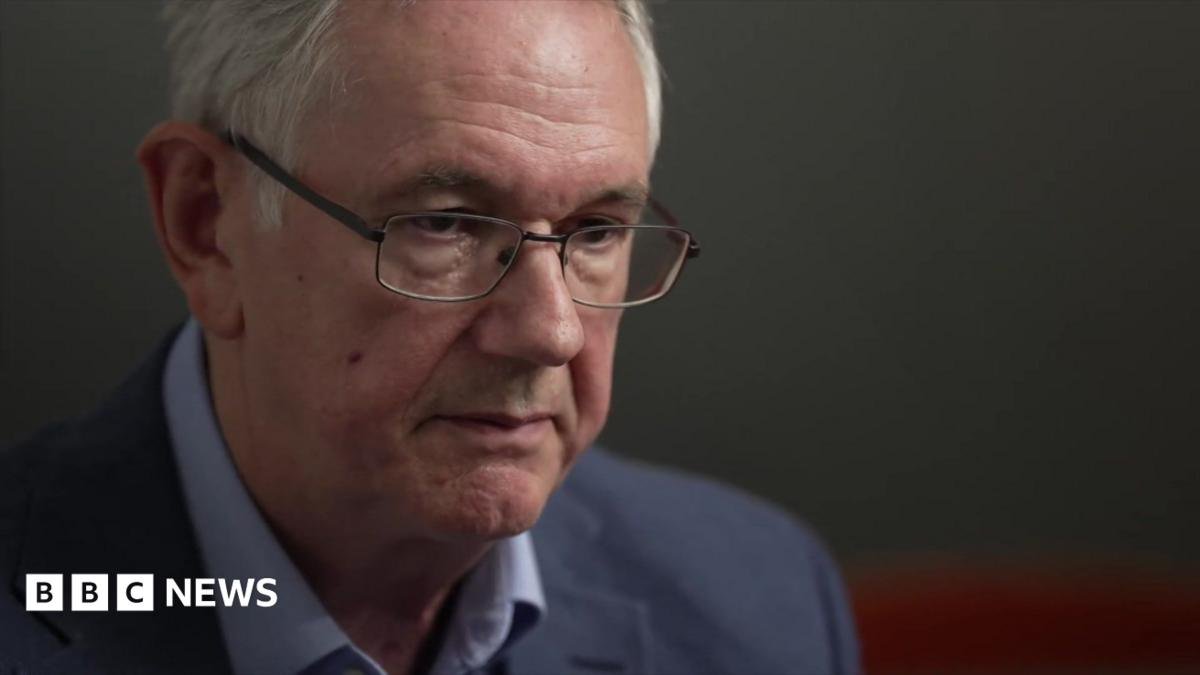
Figure caption, Watch: Former consultant hopes Letby inquiry recommendations will prevent deaths happening again ByJudith Moritz Special correspondent, Reporting fromLiverpool Published 15 September 2026 Updated 16 September 2026 01:25 BST One of the senior doctors who tried to raise concerns about Lucy Letby with hospital managers has told the BBC the final inquiry report makes for "grim reading".
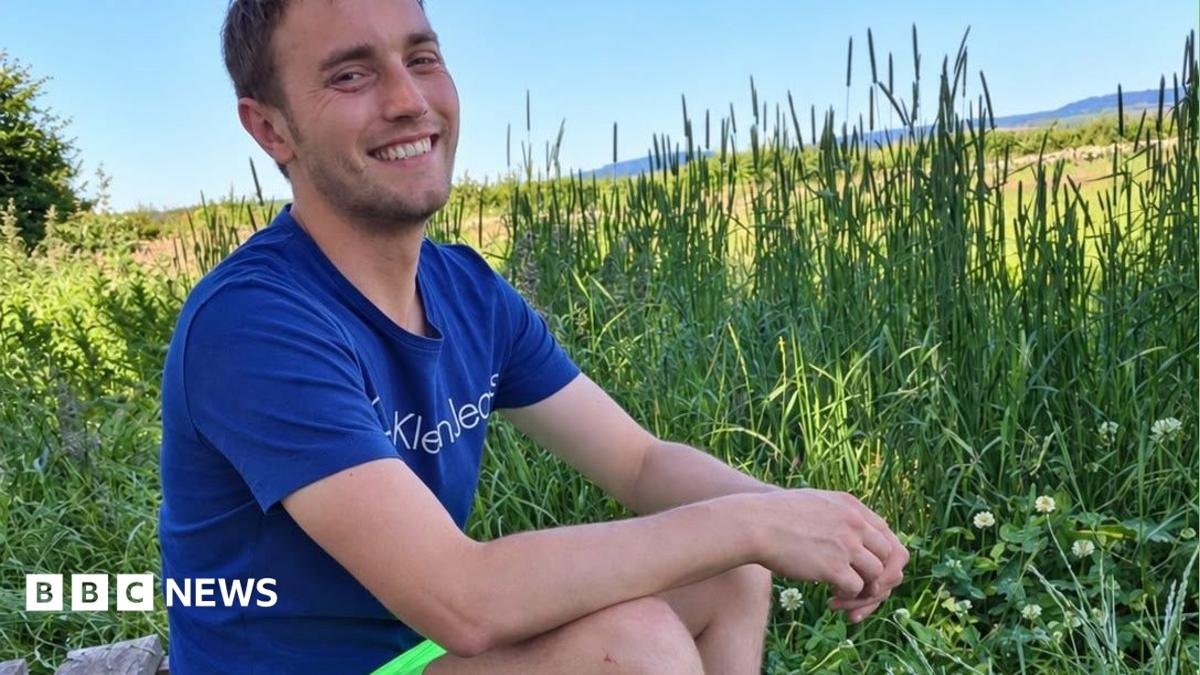
Consultant paediatrician Dr John Gibbs worked at the Countess of Chester Hospital throughout the period in 2015 to 2016 when Letby murdered seven babies, and attempted to murder seven more, on the neonatal unit.
He said that he accepted that consultants must bear "collective" responsibility for some of the failings identified in the report.
"I wish we consultants had been brave enough to follow our suspicions and escalate things to the police earlier," he told the BBC.
"When I say, 'we consultants', I am responsible as well and if my other consultant colleagues didn't go to the police, I should have." The Thirlwall Inquiry was launched after former nurse Letby was convicted in 2023, and the final report was published on Tuesday.
In the 822-page document, Lady Justice Thirlwall described "a complete failure to protect babies on the neonatal unit at the Countess of Chester Hospital".
The report found that the police "should have been notified earlier than they were" and that hospital managers had repeatedly dismissed consultants' concerns.
Reflecting on the findings for the first time, Gibbs said: "I wasn't expecting it to be an easy read and it certainly isn't.
I'd imagine it's an extremely difficult read for the parents of the babies concerned.
"As I admitted when I appeared before the inquiry to give evidence, I feel we failed the babies and I apologise to the families for that." Key findings from Lucy Letby Thirlwall Inquiry Published 1 day ago Letby failings go beyond one hospital - the whole system has been found lacking Published 1 day ago Repeatedly untruthful, callous and quiet - what we learned about Lucy Letby from inquiry report Published 1 day ago Gibbs, who began working in Chester in 1994 and is now retired, agreed with the report's finding that hospital executives had multiple opportunities to act and potentially save babies' lives while the deaths were happening.
"But it was during that 11 months after Lucy Letby was moved off the unit, before the police got involved, that it was a very difficult atmosphere, very tense, very stressful dealing with the managers," he added.
Managers "were determined to ensure that we accepted Lucy Letby had been wrongly suspected of doing any harm," the senior doctor explained.
He also spoke of the failures of his and his wider team, specifically referencing a doctor who disregarded blood test results that suggested a baby had been poisoned with insulin in August 2015.
While one of his colleagues had missed the relevance of the results when they came back from the lab, it had been a collective team failure, Dr Gibbs concluded.
"Others of us were on call and covering the neonatal unit over the next week or two before the baby moved out of the unit.
We all had the opportunity to review the notes." Letby, who maintains her innocence, is serving 15 whole-life terms for the murders and has twice been denied permission to appeal against her convictions.
The Criminal Cases Review Commission (CCRC), an independent body set up to examine potential miscarriages of justice, is currently reviewing her convictions.
Image source, Cheshire Police Image caption, The inquiry looked into the actions of managers at the hospital where Lucy Letby worked In the weeks and months after Letby was convicted, questions about the case arose in the form of online conspiracy theories and discourse from serious academics, including medical experts and statisticians.
Gibbs said that the continuing support for Letby had taken a toll on him and other consultants, and that claims she had been wrongly convicted were "frustrating and difficult" to hear.
"I particularly find the misinformation that's on the internet is difficult to deal with," he said.
He added: "I haven't changed my mind that I think Lucy Letby is guilty." However, he emphasised that, because of the "calibre of some of the people who've raised concerns", it is "important" that the evidence used to convict Letby is being examined by the CCRC.
Thirlwall's report called for a series of urgent reforms to neonatal units, including CCTV for all cots and incubators, and restricting access to insulin.
After the report was published, Health Secretary Yvette Cooper said officials will "urgently develop plans" to introduce live-streaming cameras on England's baby wards.
Thirlwall said some of the babies Letby killed could have been saved if managers at the Countess of Chester Hospital had taken action earlier.
Letby was moved on to administrative duties in July 2016 after consultants expressed concerns about her to the hospital's executive team.
But the inquiry has found that alarm bells should have been sounded earlier.
There were several "missed opportunities" for hospital bosses to intervene, the report said, including when three babies died in one cluster in June 2015.
Figure caption, Watch: The key findings and recommendations from the Lucy Letby report Parents of the babies were "kept in the dark for years" over the concerns that their babies might have been deliberately harmed, the inquiry also found.
Thirlwall described the lack of consideration shown to parents as "reprehensible".
Hospital bosses carried out a number of internal reviews into increased infant mortality in 2015 and 2016, but did not invite Cheshire Police to investigate until May 2017.
Letby remained on site until her arrest more than a year later.
Get our flagship newsletter with all the headlines you need to start the day.
Sign up here.