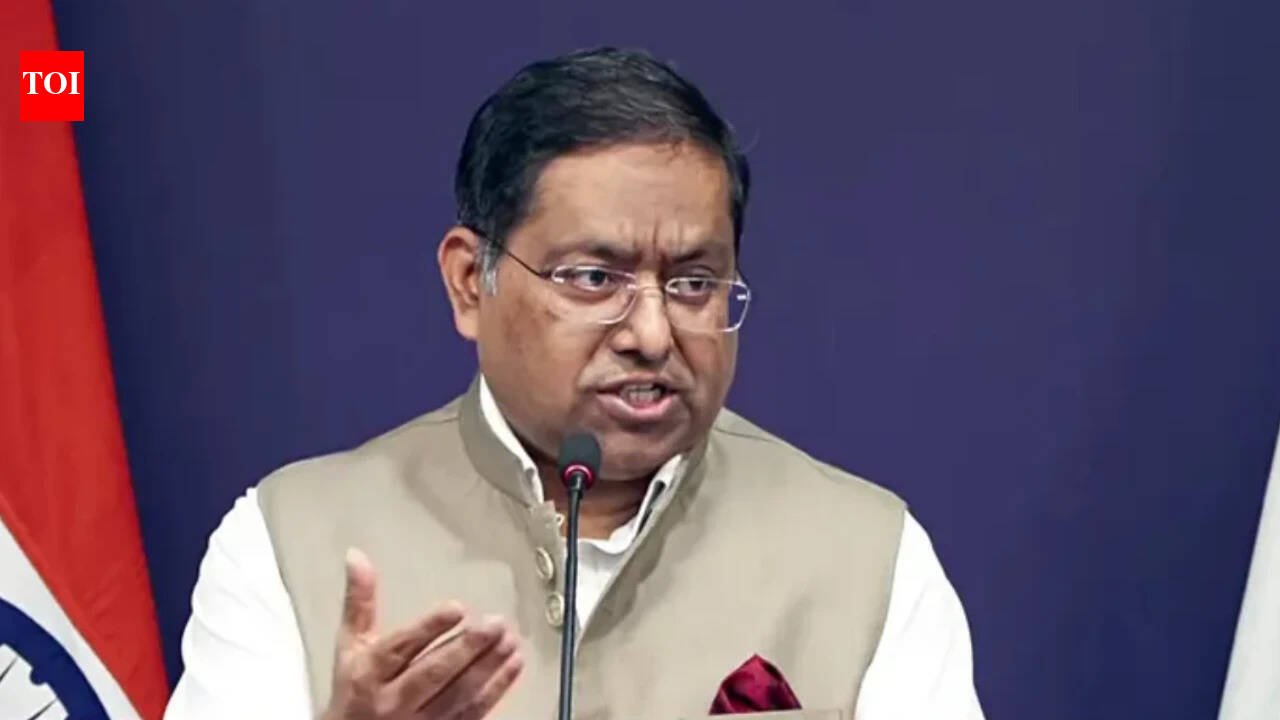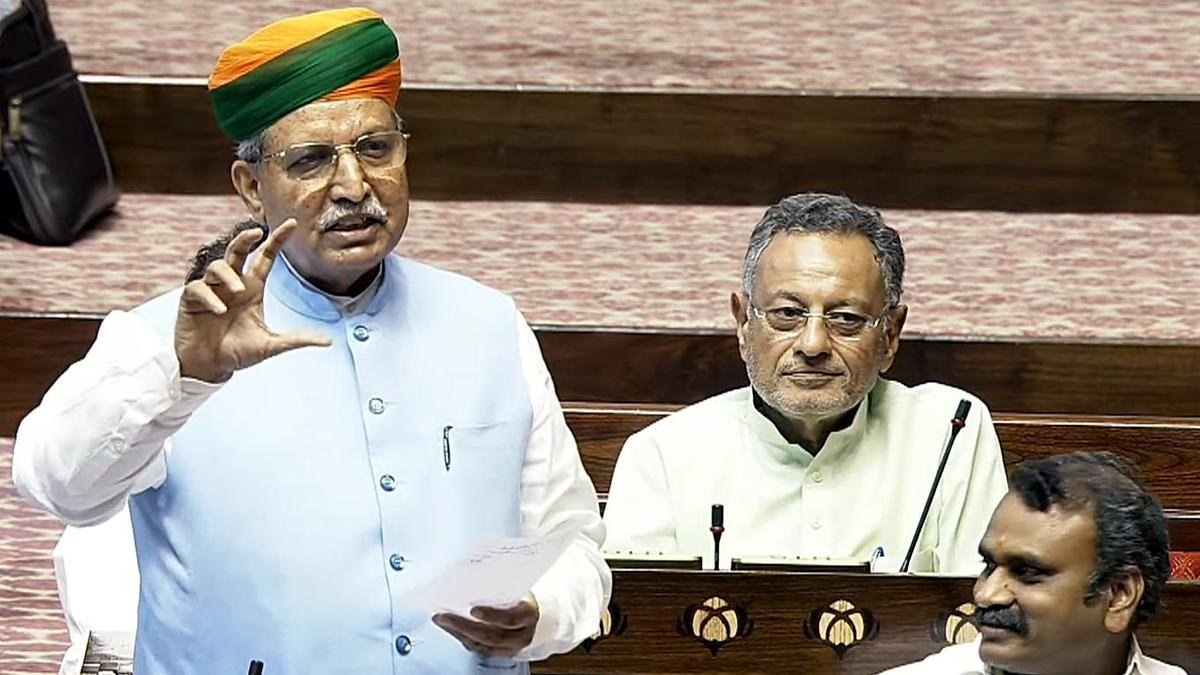
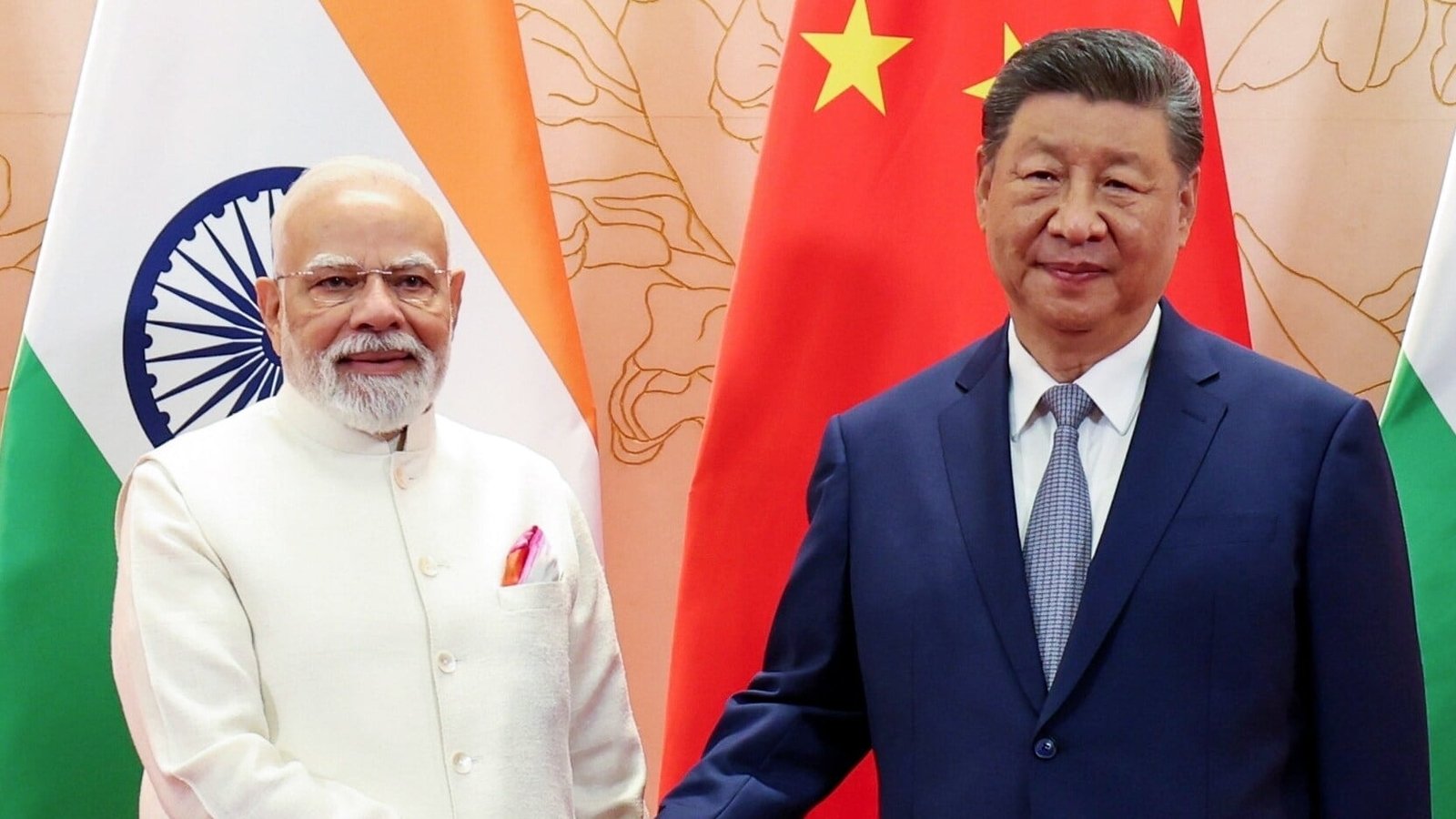
The representatives of both the countries met and engaged in what the MEA described as “frank” discussions and reviewed the situation along the LAC.


India and China on Thursday agreed to continue using existing diplomatic and military channels to address outstanding issues and prevent misunderstandings and miscalculations along the Line of Actual Control (LAC).
The two sides held what the Ministry of External Affairs (MEA) described as "frank" discussions, reviewing the situation along the LAC. They also underscored that maintaining peace and tranquillity in the border areas is essential for the overall development of bilateral ties.
The discussions took place during the 36th meeting of the Working Mechanism for Consultation and Coordination on India-China Border Affairs (WMCC) in New Delhi on August 6.
The Indian delegation was led by Sujit Ghosh, Joint Secretary (East Asia) in the Ministry of External Affairs, while the Chinese side was headed by Hou Yanqi, Director General of the Department of Boundary and Oceanic Affairs at China's Ministry of Foreign Affairs.
As a follow-up to the outcomes of the 24th Special Representatives (SR) talks, the two sides held detailed discussions on boundary delimitation, border management, mechanism-building and trans-border cooperation.
India also reiterated the need for an early meeting of the Expert Level Mechanism on trans-border rivers and stressed the importance of sharing technical details related to upstream projects.
35th WMCC meet
The 35th WMCC meeting was held in Beijing on May 27, 2026, where the two sides reviewed the situation along the India-China border and expressed satisfaction with the progress made in maintaining peace and tranquillity in the border areas.
They noted that the stable situation had facilitated gradual progress towards the normalisation of bilateral relations.
India-China ties
The India-China relationship continues to face challenges, particularly over the long-standing border dispute. Tensions have persisted as China has repeatedly laid claims to territories that India considers part of its own.
In his most recent comments, MEA spokesperson Randhir Jaiswal reacted strongly to China repeatedly raising sovereignty issues in official readouts of bilateral meetings, saying the Indian side hasn’t violated China’s sovereignty, whereas Beijing continues to illegally occupy territories in the erstwhile state of Jammu and Kashmir and has built projects in these regions.
Jaiswal was responding to a Chinese readout of a meeting between external affairs minister S Jaishankar and his counterpart Wang Yi, which contended that the Indian leader had assured the Chinese side about respecting China’s sovereignty, including on issues such as Taiwan and Tibet. People familiar with the matter said Jaishankar had made no such comments, HT reported earlier.
“Let me say that the external affairs minister said that when it comes to sovereignty issues, it is actually India that should be and is raising them,” Jaiswal said in response to a question at a regular media briefing.
“India does not violate China’s sovereignty in any manner and has been consistent, but China is in illegal occupation of Indian territories in Jammu and Kashmir and Ladakh since 1963, where India’s right is officially acknowledged even by China,” he said.
“Also, there are Chinese projects in territories in Jammu and Kashmir that belong to India, and we object to that,” Jaiswal said, referring to projects implemented by China in Pakistan-occupied Kashmir (PoK) as part of the China-Pakistan Economic Corridor (CPEC) and in the occupied Shaksgam Valley.
Jaishankar-Wang meet
India's external affairs minister S Jaishankar met his Chinese counterpart, Wang Yi on the margins of Asean-related meetings in the Philippines capital of Manila last month.
Jaishankar emphasised the Indian position that a stable and cooperative relationship “can best be developed on the basis of mutual respect, mutual interest and mutual sensitivity” to contribute to a multipolar Asia and a multipolar world.
“Peace and tranquillity in the border areas is obviously the prerequisite for normal ties. Since October 2024, both sides have engaged to ensure that important objective. This will continue to need our constant attention,” he said, referring to the understanding reached by the two sides in 2024 to end the face-off on the LAC that took bilateral relations to a six-decade low.
(With inputs from HT Correspondents)