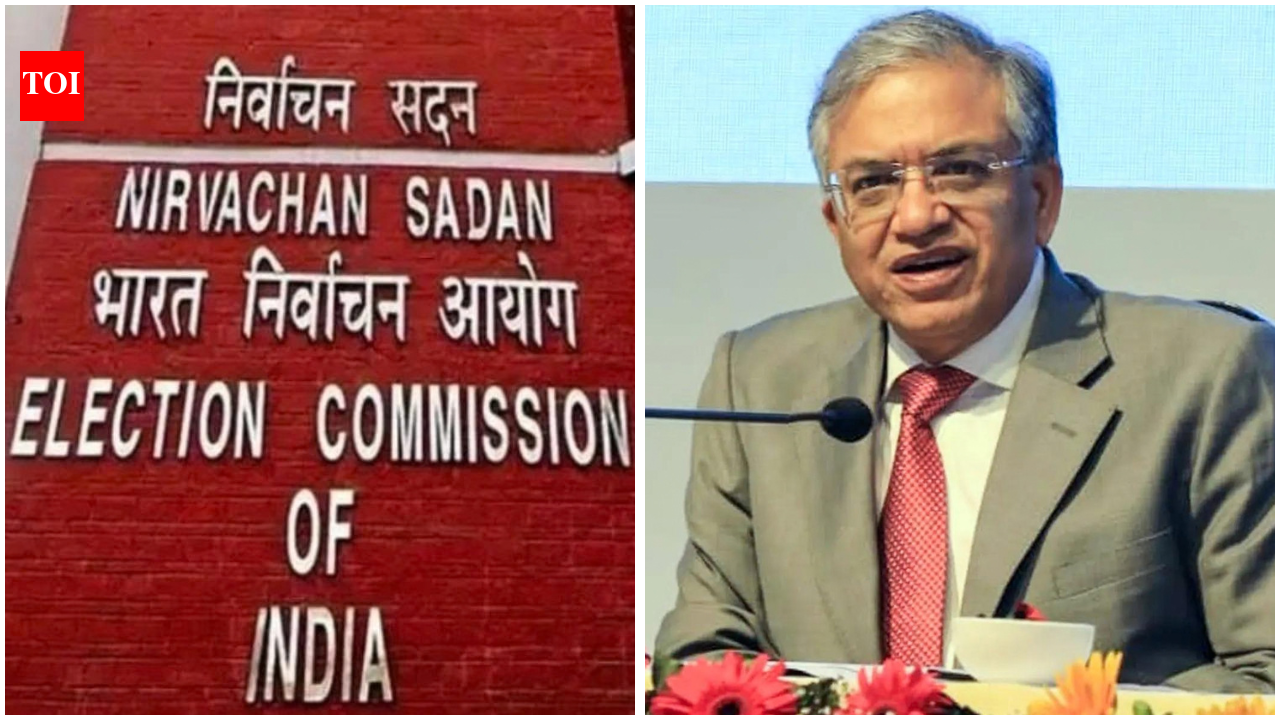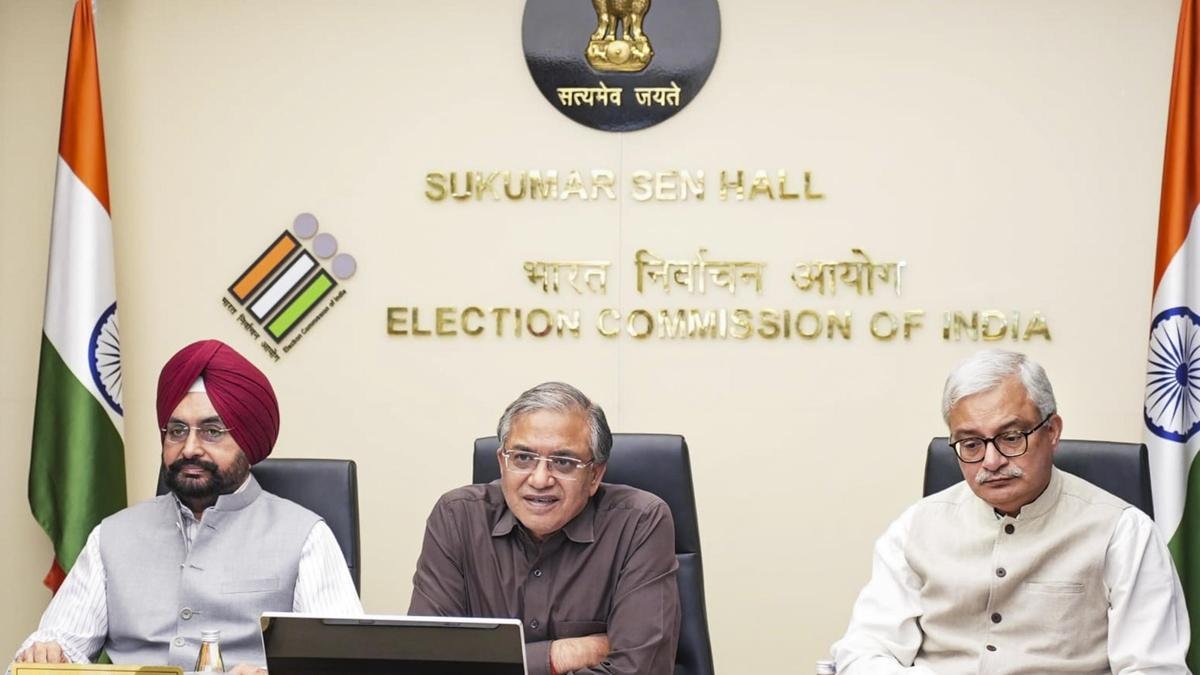
Responding to reports of “illegal” decisions and dissent within the Election Commission of India (ECI), the poll body on Wednesday (September 23, 2026) said all its actions have been in accordance with the relevant laws and instructions.
Highlighting “certain specific” internal notes or observations spread over a 10-month period while overlooking the much larger body of approvals, decisions, instructions, and initiatives give only “one part of the picture”, the ECI said.
The poll body was responding to an Indian Express expose which claimed that two of the three Election Commissioners, Sukhbir Singh Sandhu and Vivek Joshi, had formally recorded objections at least 14 times over 10 months, saying major decisions were being made in the name of the full Election Commission without their knowledge — several of which they called “unauthorised and illegal”.
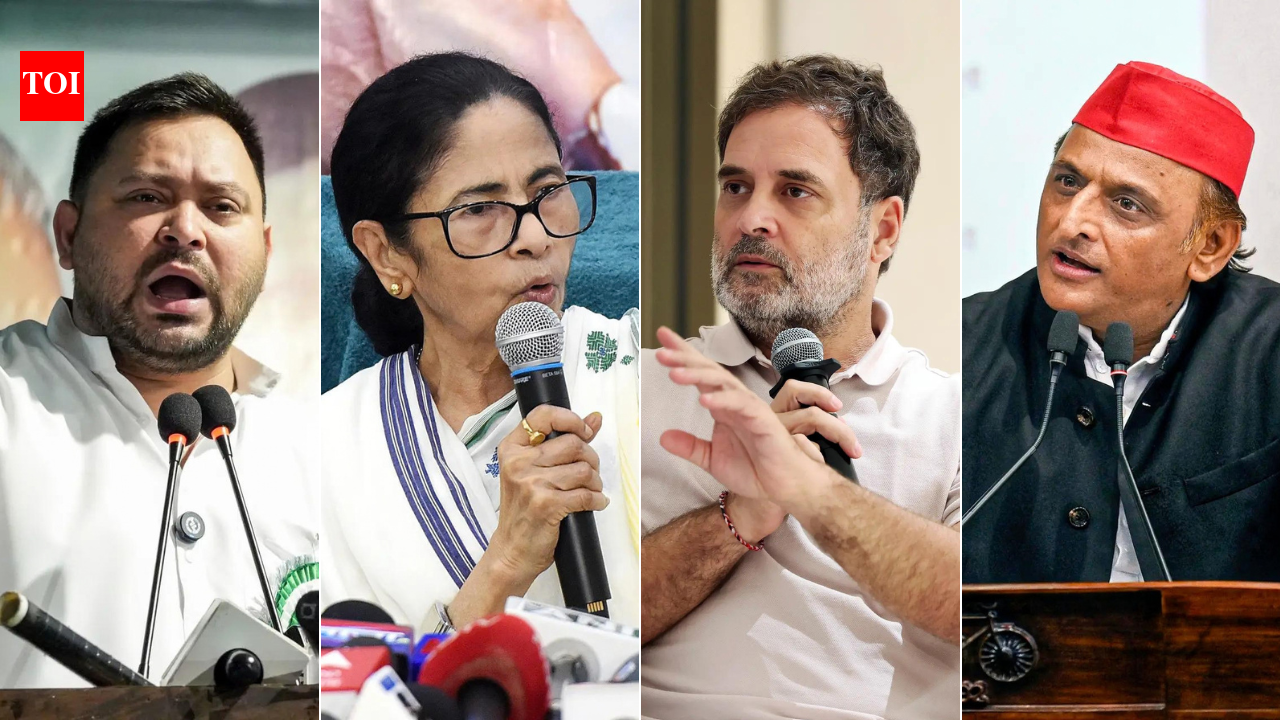
‘Vote chori’ direct attack on Constitution; BJP, RSS, EC committed act of treason: Rahul Gandhi The ECI first issued a source-based clarification to the report.
“All decisions of the Election Commission of India, including SIR [the ongoing special intensive revision of electoral rolls], have been unanimous and with the approval of both the Election Commissioners and the Chief Election Commissioner,” the clarification said.
‘Queries raised are normal practice’ A formal, written statement followed.
“The Commission operates as a multi-member constitutional body.
Written notes, observations, technical suggestions and internal checks-and-balances are standard, ongoing practices designed to ensure complete transparency, legal compliance and operational rigour.
All actions of ECI have been in accordance of laws and instructions of the Commission,” it said.
DMK president Stalin demands immediate resignation of CEC Gyanesh Kumar, halt to SIR exercise The statement said that any operational queries or inputs raised by Commission members during draft stages are part of standard administrative practice, aimed at safeguarding voter rights.
The suggestions given by the Commissioners were for further improving the electoral processes, it added.
The poll body said that differing views and observations are a normal part of deliberation in any institution and were part of the decision-making process before a final decision is taken.
“Not only the three Commissioners, but every officer of the Commission is fully authorised to give his suggestions to the Commission for improving the electoral system,” the statement said.
Mamata calls for Chief Election Commissioner’s arrest, seeks fresh West Bengal polls Lopsided picture Highlighting certain specific internal notes or observations spread over the period of 10 months while overlooking the much larger body of approvals, decisions, instructions, and initiatives gives only one part of the picture, it argued.
In recent months, the Commission has taken numerous decisions, issued instructions, introduced around 40 new initiatives, and undertaken many electoral reforms, including the conduct of electoral roll revisions (including the SIR) across the country.
All these decisions are an outcome of the unanimous decisions of the full Commission over the past year, it said.
If CEC allowed elections to be rigged it’s ‘treason’: Congress MP Priyanka Gandhi “All official orders, decisions and administrative directions issued by the Commission carry full legal sanctions and follow established statutory procedures under The Chief Election Commissioner and Other Election Commissioners (Appointment, Conditions of Service and Term of Office) Act, 2023,” the statement said.
Red flags: centralised software, Form 6 changes According to the Indian Express report, both the Election Commissioners had red-flagged several key issues, including the changes made to Form 6, which is used for fresh voter registrations, and the gradual centralisation of the electoral roll database.
They warned that “centralised software now overrides ground-level Electoral Registration Officer (ERO) decisions, blocking eligible voters,” the report said.
In its response, the Commission said that its digital platforms, such as ECINet, operate under strict data security protocols to prevent unauthorised tampering and manipulation.
IT security checks and audit controls are standard cybersecurity measures implemented across national databases.
Statutory authorities, including Electoral Registration Officers (EROs) and District Election Officers (DEOs), function as per statutory powers for registration and deletion under law, it said.