Delhi court revives complaint against Sonia Gandhi over alleged voter list forgery The court termed the magistrate's order "non-speaking" with regard to the facts of the case.
Updated on: Sep 21, 2026, 17:57:05 IST By Arnabjit Sur Prefer HTon Google Share via Copy link A Delhi court on Monday revived a complaint against senior Congress leader Sonia Gandhi alleging voter manipulation and forgery to include her name in the electoral list in 1980, and directed a magistrate to hear the matter afresh next week after calling for a police status report.
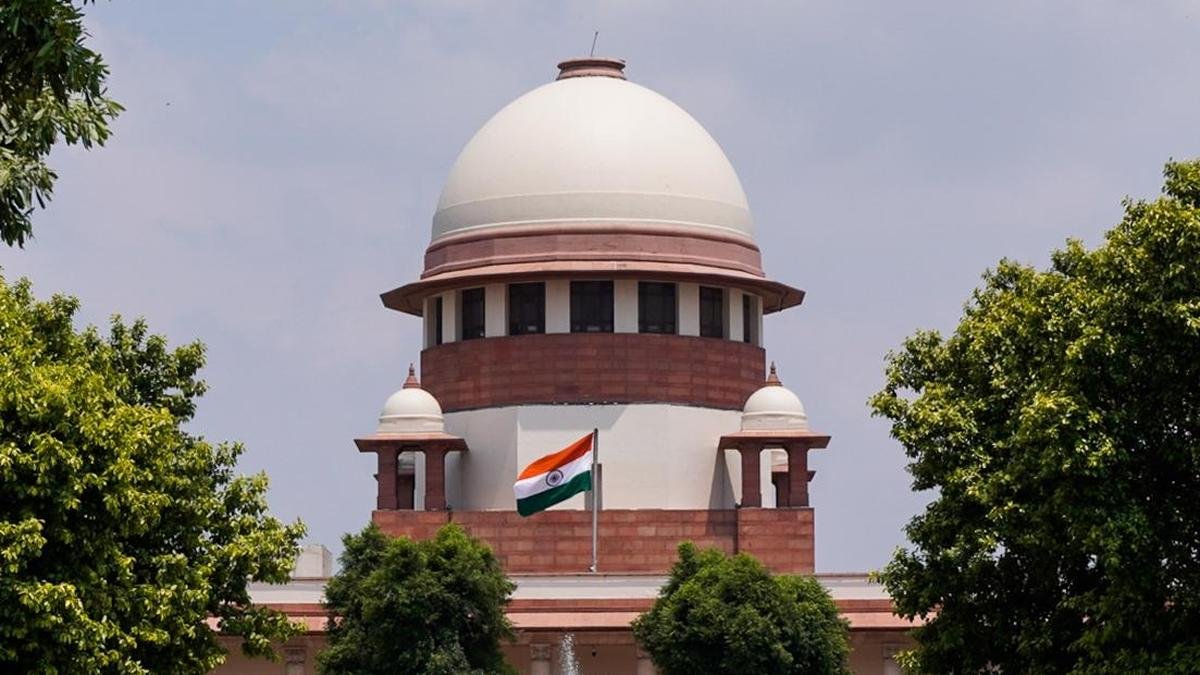
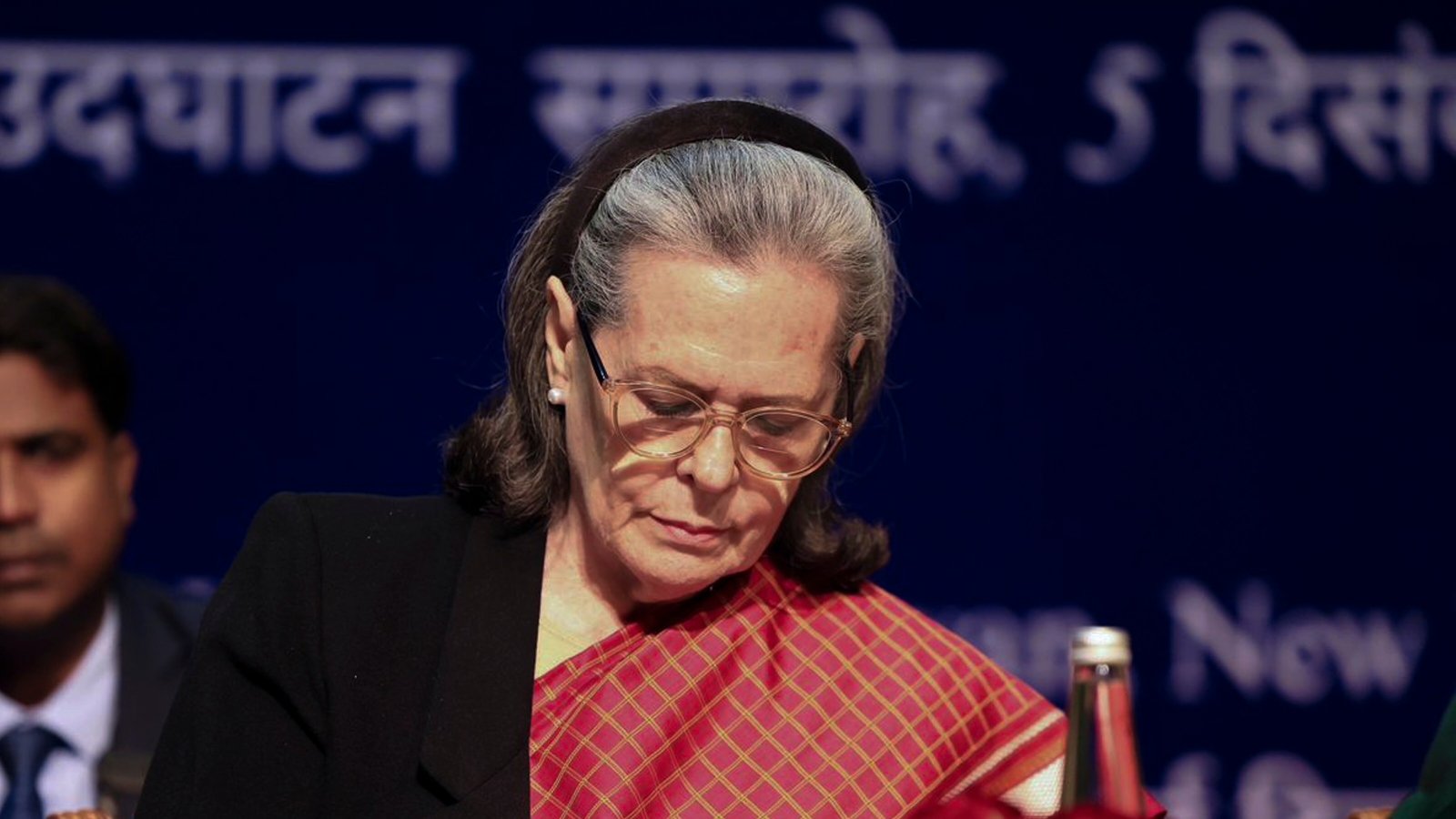
The case pertains a complain questioning Sonia Gandhi’s alleged inclusion in the electoral roll in 1980, before she became an Indian citizen in 1983. (File Photo/AICC) Special Judge Vishal Gogne of Rouse Avenue Court set aside a magistrate's decision last year that dismissed the allegations against Gandhi, observing that the judge failed to substantiate the reasons for rejecting them.
The court set September 29 as the next date of hearing, when the magistrate will hear arguments afresh and pass a "speaking order" on the allegations.
The court said that the magistrate's order passed last year was "non-speaking" on the point of disclosure of a cognisable offence or otherwise, against Gandhi.
"The order suffers from manifest error in law on account of non-compliance of 175(3) of BNSS and on account of not hearing the submissions of the investigating officer and not calling a status report," the judge said.
On September 11, additional chief judicial magistrate Vaibhav Chaurasia rejected a plea by complainant Vikas Tripathi, pointing to a lack of cogent evidence against the Congress leader to prove that she forged papers to enrol herself as a voter.
“Mere bald assertions, unaccompanied by the essential particulars required to attract the statutory elements of cheating or forgery, cannot substitute a legally sustainable accusation,” the ACJM Chaurasia held.
Tripathi challenged the order.
Represented through senior advocate Ajay Burman, Tripathi claimed that Sonia Gandhi took Indian citizenship on April 30, 1983, but her name was enrolled as a voter in the electoral list three years before, in 1980.
He also claimed that Gandhi’s name was deleted in 1982 and re-entered on January 1st, 1983.
Special Judge Gogne said the magistrate, rather than recording a finding on whether the allegations constitute an offence, "simply branded the complaint as lacking essentials".
Gogne said the magistrate had casually dismissed several factual allegations without delving into their veracity.
"The order suffers from non-application of mind and is liable to be set aside.
The magistrate had not discussed the implications of the documents presented by the petitioner," the special judge said, remanding the case back to the magistrate.
The court said that a status report should be called from the investigating officer on the allegations, and the judge hearing the case should ensure strict compliance with the law.
Gandhi, through senior advocate R.S.
Cheema, trashed the complaint that questioned her inclusion in the electoral roll, saying it was politically motivated and lacked documentary evidence of any manipulation or forgery on her end.
Gandhi also underlined that the revision plea was ‘wholly misconceived’, ‘politically motivated’, and filed through the complainant to ‘abuse the process of law’.
She said the magistrate’s court had rightly observed that matters of citizenship fell exclusively under the central government’s domain, while electoral roll disputes were the sole prerogative of the ECI.
Gandhi said the complaint made it clear that a controversy raised in the media more than 25 years ago was being recycled to file the revision plea.
She said the complainant had neither referenced the source nor disclosed any attempts to procure the foundational documents to back the allegations.
Gandhi pointed out that the complainant claimed a public outcry in 1982 led to her name being deleted from the electoral roll.
Her lawyers also said that the assertion that Gandhi got her name re-entered in the electoral roll was incomprehensible and without any factual basis, as no documents were produced to show any alleged forgery or falsification.
They said the complainant relied on an ‘investigative report’ in a newspaper to determine the date on which Gandhi applied for Indian citizenship, without verifying the report's authenticity.
Gandhi said it was the Election Commission’s statutory function to prepare the electoral roll in accordance with the Registration of Electors Rules, 1960, In his order on Monday, Gogne said the magistrate digressed from the allegations at hand.
"This court is unable to fathom why the power of the ECI is a bar upon the police to act on fraudulent inclusion and submission of forged documents.
The power of the police to probe a cognisable offence in inclusion of deletion of name from a voter list cannot be considered consequentially ousted..." he said.
Deep Dive Powered ByAsk HT Judge Gogne said the magistrate had passed a "perverse and improper" order without giving the investigating officer of the Delhi Police sufficient time to respond to the allegations and submit a status report.