Alan Curr remembers V.V.S. Laxman’s 281.
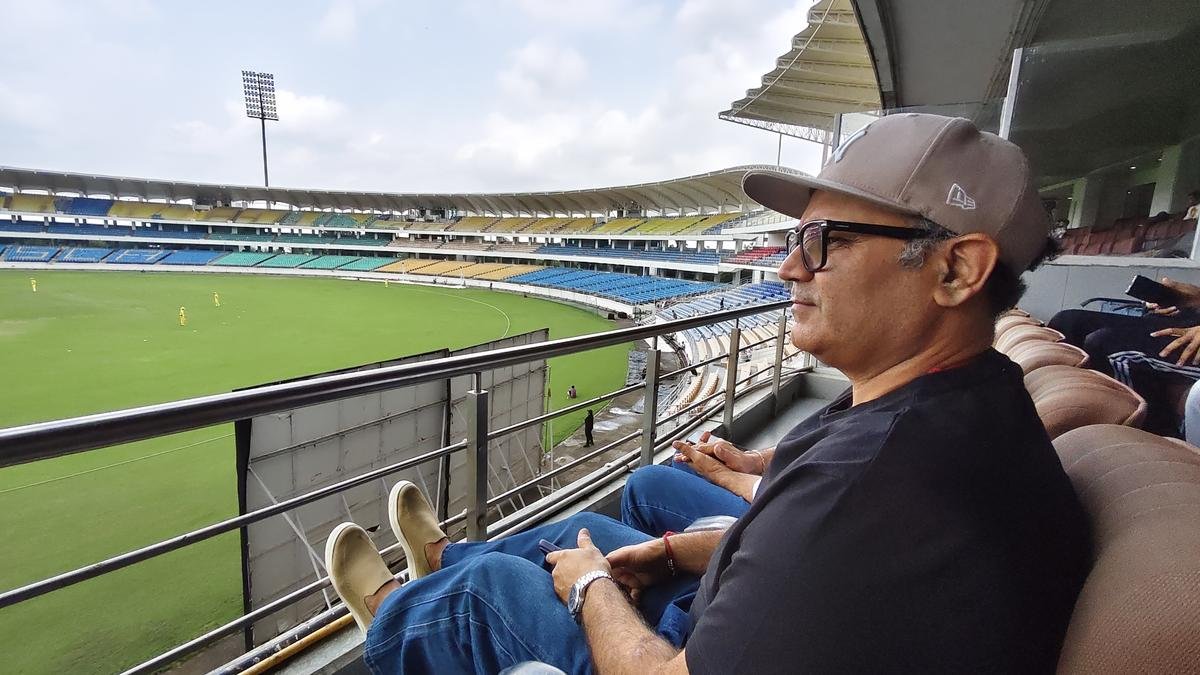
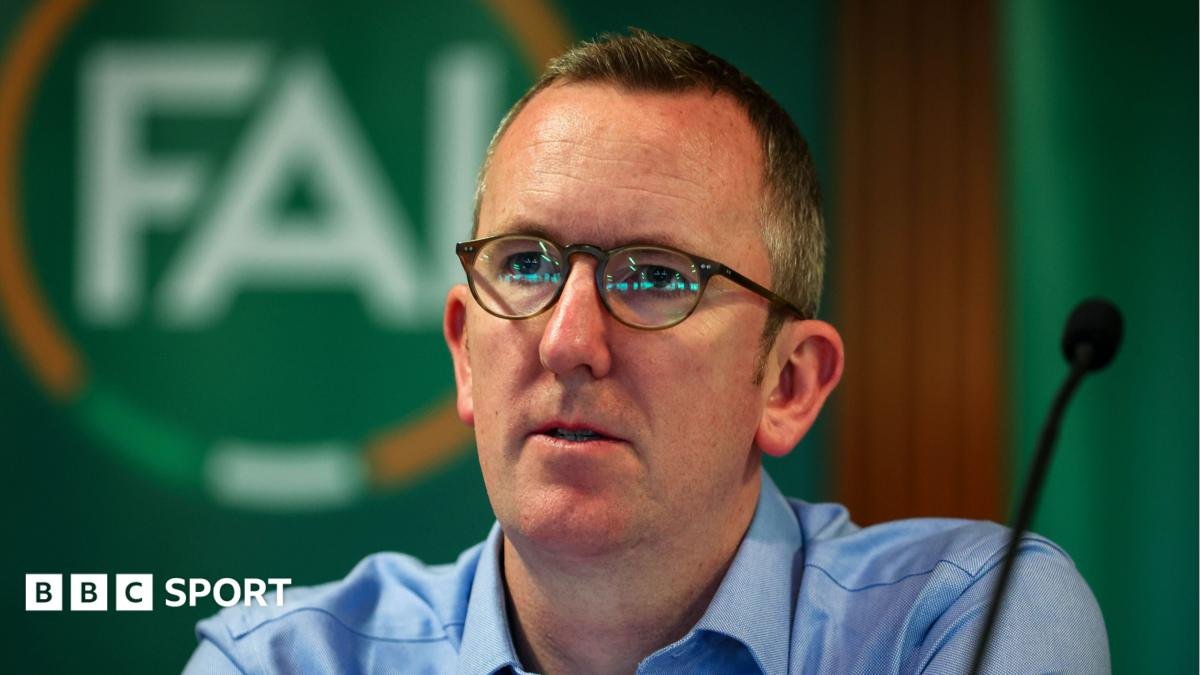
He was at university when Laxman played one of Test cricket’s greatest innings against Australia at the Eden Gardens in Kolkata in 2001. Twenty-five years later, Curr, now Chief Operating Officer of the Japan Cricket Association (JCA), found himself on the phone with Laxman, only this time the Indian legend was asking the questions.
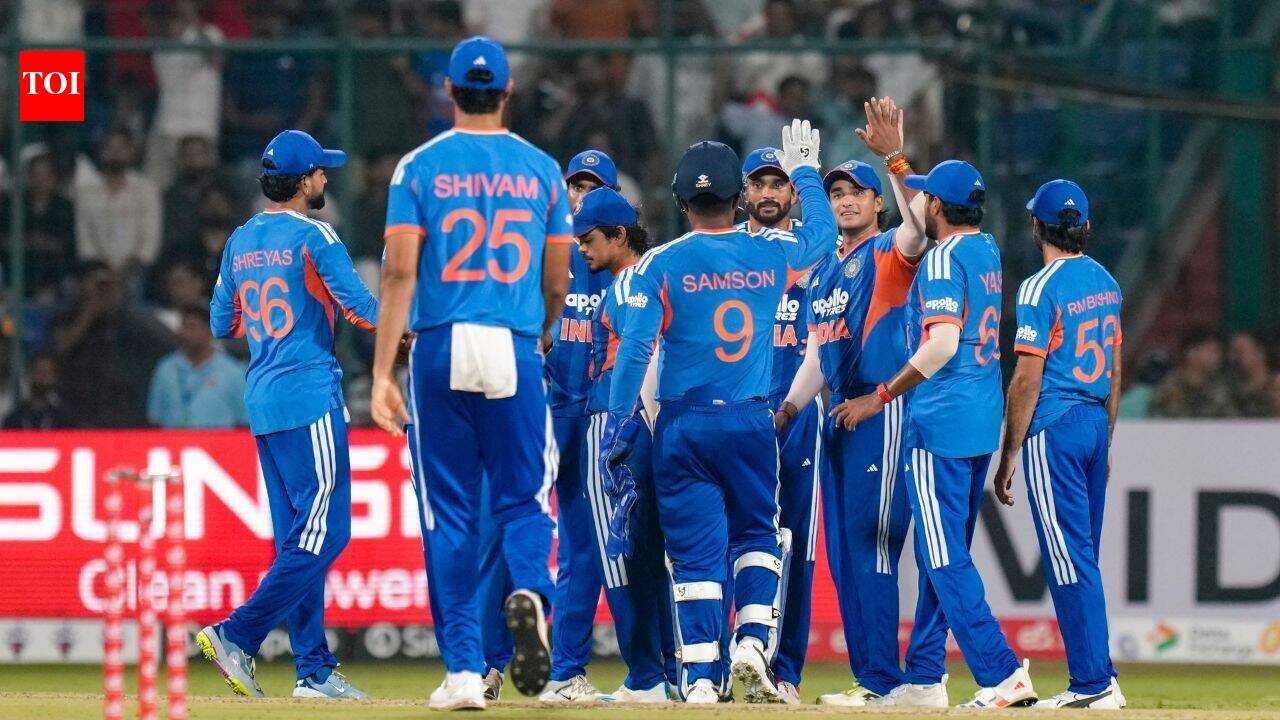
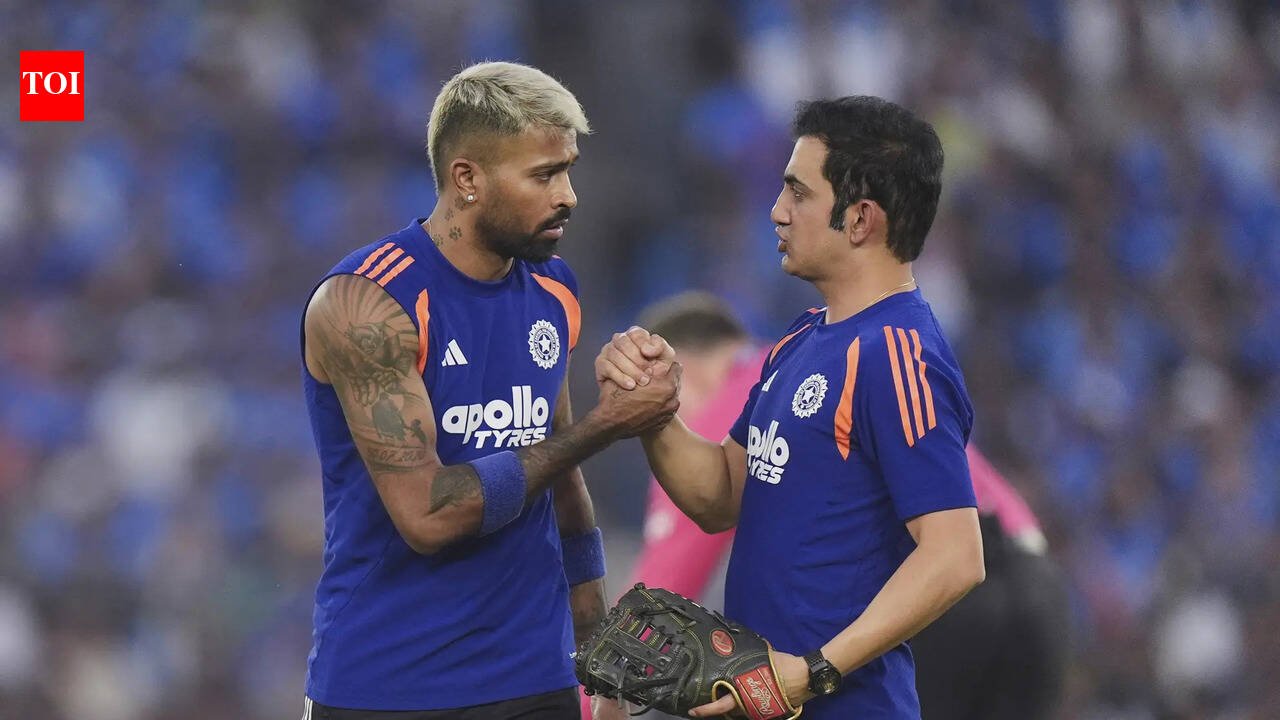
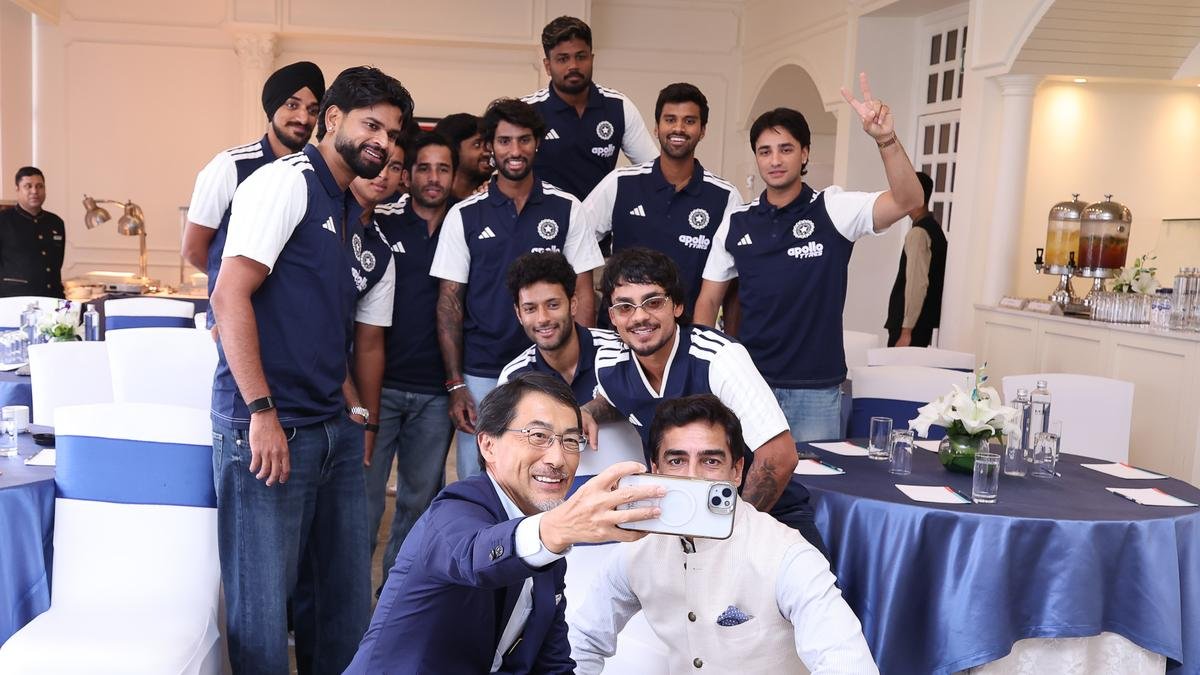
Laxman, now coach of the Indian men’s team travelling to the Games, wanted to know what to expect in Japan.
“Certainly in the two or three minutes leading up to the call, you’re like, wow, I saw this guy play a lot of cricket,” Curr tells Sportstar.
BUY YOUR TICKETS NOW! 🎟️女子日本代表 🇯🇵 が2026年アジア競技大会で女子インド代表 🇮🇳 と対戦します!🏏📅 9月18日⏰ 14:00📍 愛知県口論義運動公園世界トップクラスのチームを相手に戦う女子日本代表を、ぜひ会場で応援してください!💪🔥#JapanCricket#アジア競技大会#愛知名古屋2026pic.twitter.com/VC1AEmmmTQ— 一般社団法人 日本クリケット協会| JCA Japan Cricket Association (@CricketJapan) September 15, 2026
BUY YOUR TICKETS NOW! 🎟️女子日本代表 🇯🇵 が2026年アジア競技大会で女子インド代表 🇮🇳 と対戦します!🏏📅 9月18日⏰ 14:00📍 愛知県口論義運動公園世界トップクラスのチームを相手に戦う女子日本代表を、ぜひ会場で応援してください!💪🔥#JapanCricket#アジア競技大会#愛知名古屋2026pic.twitter.com/VC1AEmmmTQ
The call lasted only a few minutes, but it neatly captured Japan’s changing place in the cricket world. India was no longer simply a team Curr watched from afar. It was now a team Japan had to prepare to host.
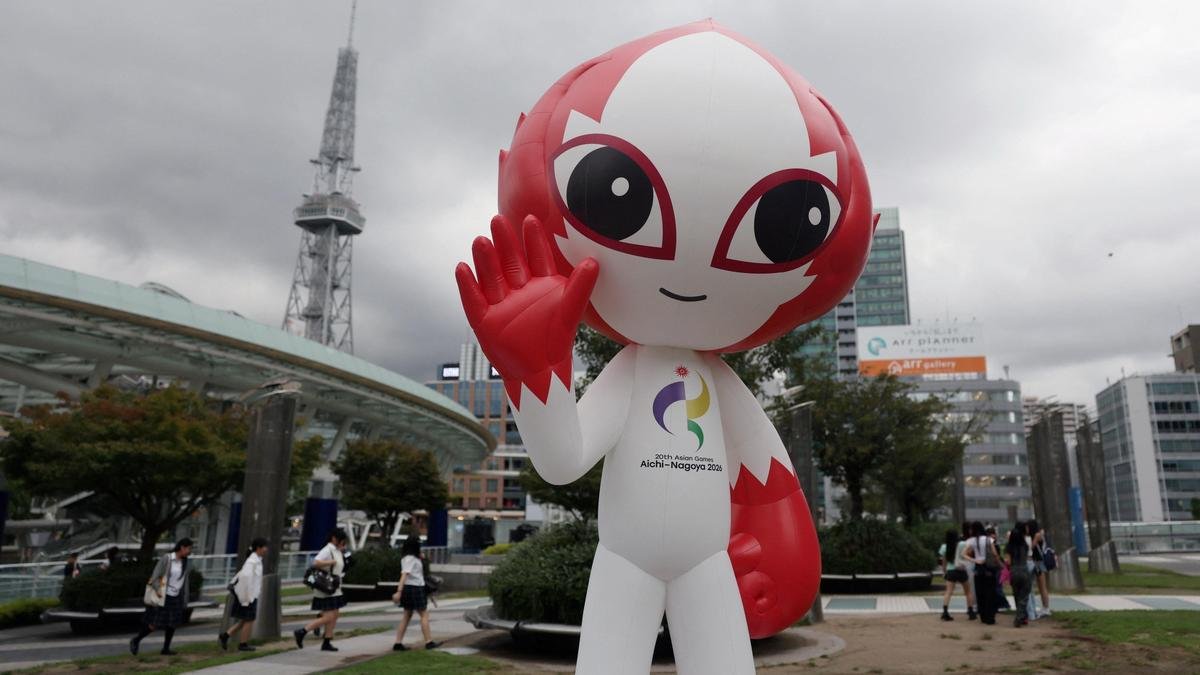
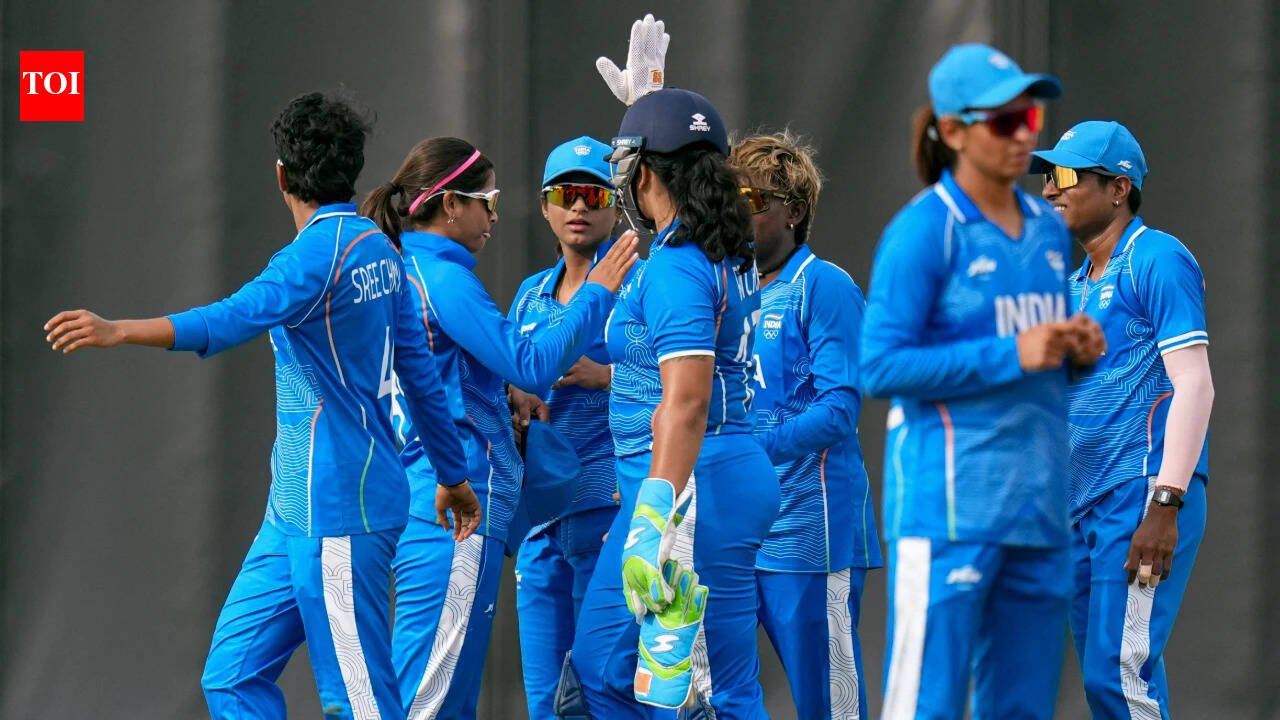
India Women begin their Asian Games campaign against the host on September 18 at Korogi Sports Park in Nisshin.
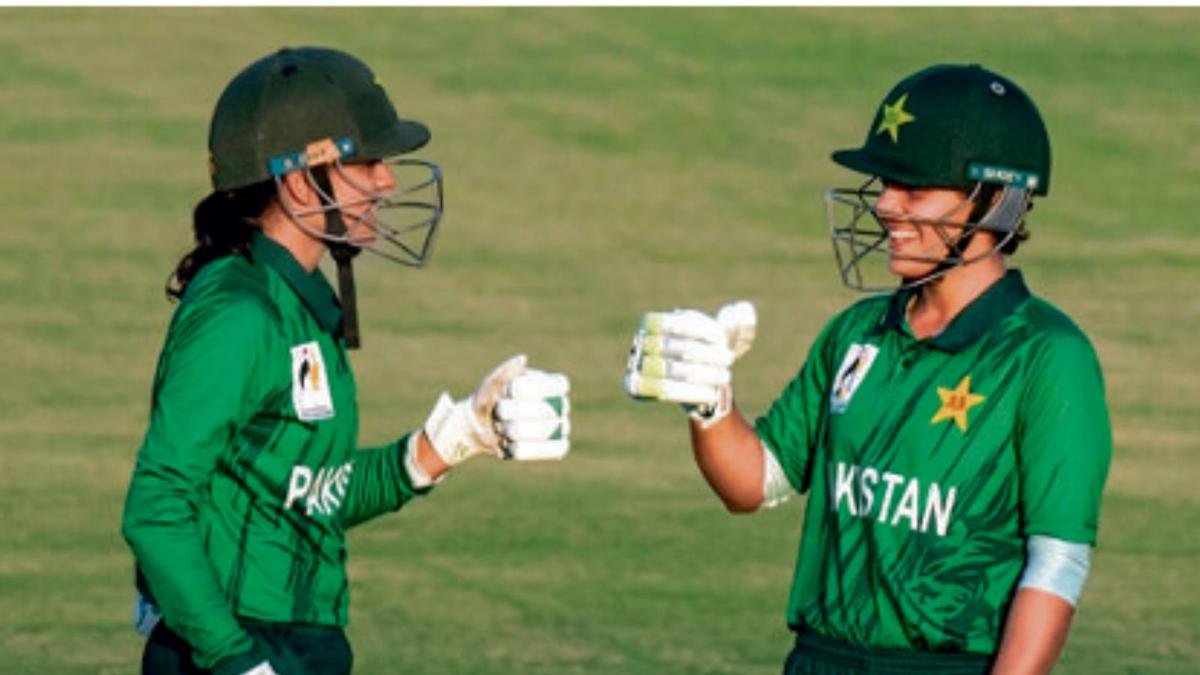
India’s players are full-time professionals with contracts and endorsements; Japan’s women remain amateur and failed to qualify for the 2022 Asian Games tournament. Yet Japan is embracing the occasion rather than fearing it.
“It is incredibly exciting, I have waited a decade to play in the Asian Games, so finally being able to compete on home soil is something special,” says captain Mai Yanagida.
日本にとって最大級の挑戦の舞台が、いよいよ始まります!🇯🇵🏏アジア競技大会で*アフガニスタンとネパール*に挑む日本代表の戦いを、ぜひ会場で応援しましょう。チケットを購入して、日本クリケット界の歴史的な瞬間をともに迎えましょう!🔥#JapanCricket#アジア競技大会#愛知名古屋2026pic.twitter.com/ftl56gzNjK— 一般社団法人 日本クリケット協会| JCA Japan Cricket Association (@CricketJapan) September 15, 2026
日本にとって最大級の挑戦の舞台が、いよいよ始まります!🇯🇵🏏アジア競技大会で*アフガニスタンとネパール*に挑む日本代表の戦いを、ぜひ会場で応援しましょう。チケットを購入して、日本クリケット界の歴史的な瞬間をともに迎えましょう!🔥#JapanCricket#アジア競技大会#愛知名古屋2026pic.twitter.com/ftl56gzNjK
The fixture has reshaped expectations for the JCA. India’s visit has driven ticket demand the federation has never recorded, forcing it to plan for security, crowds and media.
“For years, our biggest problem was finding players to come and play matches... Whereas when you’ve got India coming, then the tickets sold out in about — it felt like about 20 minutes,” Curr says.
歴史的な一戦のチケットは完売しました!🏏🎉日本 🇯🇵 とインド 🇮🇳 が、国際クリケットの舞台で史上初対戦!佐野国際クリケット場で行われる歴史的な一戦に、たくさんのご声援ありがとうございます!2026年9月22日 — 13:00時間#japancricket#クリケット#india#JPNvIND#SuzukiCuppic.twitter.com/oD8ezAXwK4— 一般社団法人 日本クリケット協会| JCA Japan Cricket Association (@CricketJapan) September 10, 2026
歴史的な一戦のチケットは完売しました!🏏🎉日本 🇯🇵 とインド 🇮🇳 が、国際クリケットの舞台で史上初対戦!佐野国際クリケット場で行われる歴史的な一戦に、たくさんのご声援ありがとうございます!2026年9月22日 — 13:00時間#japancricket#クリケット#india#JPNvIND#SuzukiCuppic.twitter.com/oD8ezAXwK4
The stakes go beyond one result. When Japan’s men made their Asian Games debut in Hangzhou three years ago and beat Cambodia, it became national news, with highlights on major television channels — cricket briefly gaining an Olympics-style ripple.
For the women, though, cricket is still a second career squeezed around work and study. Japan has only 14 clubs, and players juggle the sport with jobs, teaching or university.
“We are not full-time professional cricketers... It definitely requires a lot of personal sacrifices,” Yanagida says.
🇯🇵🔥 HISTORY IN THE MAKING! 🔥🇮🇳史上初めて、日本🇯🇵とインド🇮🇳が日本の佐野国際クリケット場でT20インターナショナルの舞台で対戦します。!チケット情報や視聴方法については、近日中にお知らせします。🔥#japancricket#クリケット#India#JPNvIND#SuzukiCup2026pic.twitter.com/sAZKECWZQS— 一般社団法人 日本クリケット協会| JCA Japan Cricket Association (@CricketJapan) September 4, 2026
🇯🇵🔥 HISTORY IN THE MAKING! 🔥🇮🇳史上初めて、日本🇯🇵とインド🇮🇳が日本の佐野国際クリケット場でT20インターナショナルの舞台で対戦します。!チケット情報や視聴方法については、近日中にお知らせします。🔥#japancricket#クリケット#India#JPNvIND#SuzukiCup2026pic.twitter.com/sAZKECWZQS
Kurumi Ota, a systems engineer at Hitachi, knows that cost. She stepped away from the sport for seven years because of work before returning.
“When I first started playing cricket, we would sometimes practise under overpasses... Today there are international-standard grounds and grass outfields,” she says.
The JCA now has a 20-year vision to grow not just players but coaches, commentators and curators.
On September 18, Japan gets its biggest cricketing stage yet.
“I mean how often do you get to say you had V.V.S Laxman talk to you about cricket,” Curr says.